



The GCC desert floor behaves differently when saturated. What was once a stable, hard-packed surface...
Construction Machinery Comparison Guide: Buying vs. Renting
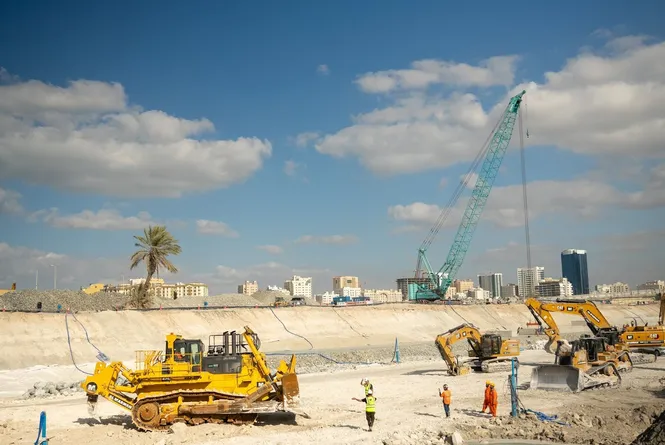
Whether you are in the market for a bulldozer for sale to build your long-term fleet, or require a dump truck for rent for efficient material hauling and a manlift for rent to safely access elevated work areas, choosing the right machinery is essential for any project. In our Comparison Guide for 2026, we highlight why most contractors find that partnering with a reputable heavy equipment rental company is the superior choice for reducing overhead compared to owning machinery. However, keeping key considerations in mind is vital to ensure your equipment remains in peak working condition throughout the job.
Buying Heavy Equipment: Pros, Cons, and Considerations

Pros of Buying Heavy Equipment
- Customization: When you own the equipment, you have the freedom to customize it according to your specific requirements, enhancing its utility for your projects.
- No Usage Restrictions: Owning means no limitations on usage time or conditions, providing complete operational control.
- Asset Value: Purchasing equipment adds a valuable asset to your company's balance sheet, contributing to your business's net worth.
- Cost-Effectiveness in the Long Run: For frequent and long-term use, buying can be more economical than renting or leasing, especially considering the long-term return on investment.
Cons of Buying Heavy Equipment
- High Initial Cost: The upfront expense, even with financing, can be substantial, impacting your company's cash flow.
- Maintenance and Associated Costs: Owning equipment means you are solely responsible for its upkeep, repairs, and any unexpected maintenance costs.
- Depreciation: Like most assets, heavy equipment depreciates over time, affecting its resale value.
- Interest on Loans: If you finance your purchase, the monthly interest payments add to the total cost of ownership.
- Risk of Obsolescence: You might end up with outdated equipment that still requires payments, potentially impacting your operational efficiency.
- Storage and Transport Responsibilities: Owning equipment means managing its storage and transportation, adding to operational logistics.
- Insurance Costs: You must insure the equipment, adding another layer of ongoing expenses.
Why Companies Buy Equipment
Companies typically opt to buy new heavy equipment when they anticipate frequent use. Owning machinery is financially sensible for businesses that regularly need specific equipment and can justify the investment against rental or leasing costs. The decision to buy often hinges on the balance between the upfront costs and the long-term benefits of ownership.
Key Factors to Consider When Buying
- Product Reviews: Look for feedback from actual users to gauge the machinery’s performance and reliability.
- Brand Reputation: Research the manufacturer or supplier for quality assurance.
- Resale Value: Estimate the equipment's value over time to understand its potential return.
- Price Comparison: Explore different pricing options to find the best deal.
- Financing Options: Check if the supplier offers financing solutions on heavy machinery that align with your financial planning.
- After-Sale Services: Inquire about the supplier's support after the purchase, including maintenance and technical assistance.
- Warranties and Service Contracts: Understand the warranty terms and service agreements to protect your investment.
- Availability of Spare Parts: Ensure a steady supply of necessary spare parts to avoid downtime.

Buying heavy equipment for sale is a significant decision that requires careful consideration of both immediate and long-term impacts on your business's finances and operations. By thoroughly evaluating these factors, companies can make an informed choice that aligns with their operational needs and financial goals.
Buying is ideal for businesses that frequently use specific equipment and can justify the long-term investment. It involves higher upfront costs but adds value as a company asset and offers freedom for customization. However, buyers must manage maintenance, depreciation, and storage.
Renting Heavy Equipment: Pros, Cons, and Process
Pros of Renting Heavy Equipment
- No Down Payment and Lower Monthly Payments: By renting, businesses avoid the substantial initial investment required for purchasing equipment.
- Reduced Liability: Most of the liability, especially for maintenance and operation, is with the rental company, easing the burden on the renter.
- Access to Latest Technology: Renters benefit from the latest equipment models, as rental companies frequently update their fleets.
- No Maintenance Costs: The responsibility for maintenance and repairs falls on the rental company, not the renter.
- No Storage Required: Eliminating storage needs, renting is ideal for businesses with limited space.
- Avoidance of Depreciation Costs: Renters don't have to worry about the equipment's declining value.
- Savings on Insurance Costs: Generally, the rental company covers insurance, reducing costs for the renter.
- Transportation Handled: The logistical aspect of transporting heavy equipment is managed by the rental service.
Cons of Renting Heavy Equipment
- Higher Long-Term Costs: Over time, frequent renting can become more expensive than owning.
- Availability Issues: Renters are subject to the rental service’s inventory, which may not always meet their specific needs.
- Liability for Losses and Damages: Renters are responsible for any damages that occur during the rental period.
- No Customization: Rental equipment comes as-is, without the possibility for modifications tailored to specific project needs.

The Rental Process
The process of renting heavy equipment is straightforward. It typically involves selecting a reliable service provider, consulting with them to determine the best equipment for your project, agreeing on rental duration and terms, and arranging for delivery or pickup. For specialized machinery, training might be provided, or you might opt for 'wet hire', where a skilled operator is included with the equipment.
Renting is suitable for short-term needs or one-off projects, offering access to the latest equipment without the burden of maintenance, storage, or depreciation. It's cost-effective for infrequent use but can be more expensive over time for regular needs. Renters face availability constraints and cannot customize the equipment.
Leasing Heavy Equipment Pros, Cons, and Considerations
Pros of Leasing Heavy Equipment
- Avoiding Upfront Costs: Leasing allows businesses to use equipment without a significant initial investment.
- Option to Buy: Many leases offer the flexibility to purchase the equipment at the end of the lease term.
- Regular Upgrades: Businesses can stay up-to-date with the latest equipment models by upgrading at the end of each lease.
- Reduced Maintenance Costs: Some leasing agreements include maintenance, reducing the lessee's burden.
- Contract Flexibility: Leases often provide options for extension, catering to changing business needs.
Cons of Leasing Heavy Equipment
- Higher Cost for Infrequent Use: If the equipment is not used regularly, leasing can be more expensive than renting.
- Usage Restrictions: Lease agreements may include limitations on how and where the equipment can be used.
- Responsibility for Losses and Damages: Lessees are liable for any damages incurred during the lease period.
- No Customization: Leased equipment generally cannot be altered to meet specific project requirements.
- Potential Storage and Transport Responsibilities: Depending on the lease terms, the lessee might need to handle storage and transportation.

Lease-to-Own Options
Lease-to-own programs are popular among businesses looking to eventually own the equipment. These arrangements allow lease payments to contribute towards the purchase of the machinery at the end of the leasing term, offering a path to ownership.
Leasing combines elements of renting and buying, ideal for medium-term use with less upfront cost. It offers the possibility of upgrading equipment and sometimes includes maintenance. However, it can be more costly than renting for infrequent use, comes with usage restrictions, and often involves responsibilities for storage and transport.
The decision to buy, rent, or lease heavy equipment hinges on your business's specific needs, frequency of use, and financial strategy. Heavy equipment for sale represents a long-term capital investment, ideal for companies with consistent, daily project demands where building asset equity is a priority. Conversely, utilizing heavy equipment for rent is the superior choice for short-term or specialized projects, offering the latest technology without the overhead of maintenance, storage, or depreciation.
FAQ: Comparison Guide
When is it better to buy new heavy equipment instead of renting?
Purchasing is the ideal choice for businesses that anticipate frequent, long-term use of specific machinery. Buying adds a valuable asset to your balance sheet and is more cost-effective over time for projects with daily, consistent demands. It also offers the freedom to customize equipment to meet your exact operational requirements.
What are the main financial drawbacks of owning machinery?
The most significant disadvantage is the high initial cost, which can impact cash flow. Additionally, owners are solely responsible for all ongoing expenses, including maintenance, repairs, insurance, storage, and transportation. Owners must also manage the risk of depreciation and technological obsolescence.
What are the primary advantages of utilizing heavy equipment for rent?
Renting is the superior choice for maintaining liquidity and handling short-term or specialized projects. It requires no down payment, eliminates maintenance and storage costs, and provides access to the latest technology and newest models without the burden of depreciation.
What are the risks or limitations associated with renting?
While renting offers flexibility, it can become more expensive than owning if used frequently over a long period. Renters are also subject to the inventory availability of the provider, have no options for customization, and are held liable for any damages that occur during the rental term.
How does leasing heavy equipment differ from renting and buying?
Leasing is a middle-ground solution ideal for medium-term use. It allows businesses to avoid high upfront costs while offering the option to upgrade to newer models regularly. Many lease agreements also include lease-to-own options, where payments contribute toward the eventual purchase of the machinery.
What factors should I check before purchasing heavy equipment for sale?
To ensure a sound investment, you should evaluate product reviews, the brand’s reputation, and the estimated resale value. It is also critical to confirm the availability of spare parts, the quality of after-sales support, and the specific terms of warranties and service contracts.
What is the difference between dry hire and wet hire in the rental process?
The standard rental process involves selecting a machine for a set duration. For specialized machinery, you may choose 'wet hire,' which includes a skilled operator with the equipment. This is often part of the comprehensive service provided by top-tier rental companies to ensure project efficiency.
How can Al Marwan help with the machinery lifecycle?
As a trusted one-stop shop in the GCC, Al Marwan provides a full suite of services:
- Heavy equipment for sale: Access to the latest models from authorized brands like Kobelco and Dynapac.
- Rental Fleet: Over 3,500 machines available for scaling operations without capital expenditure.
- Used machinery for sale: Rigorously inspected machinery from global leaders like Caterpillar and Volvo.
- Expert Support: Full maintenance and after-sales services to ensure long-term reliability.
About Al Marwan Heavy Machinery
Leading heavy machinery provider in the GCC since 1978. Recognized as the GCC Rental Company of the Year for three consecutive years (2023, 2024, 2025), Al Marwan is the trusted one-stop shop for construction projects across the UAE, Saudi Arabia, and Oman. As an authorized dealer for brands like Kobelco, Powerscreen, Dynapac, Sinoboom, Socma, and CIFA, we offer a comprehensive suite of services covering the entire machinery lifecycle:
- New Heavy Equipment: As an authorized dealer, Al Marwan offers access to the latest models of excavators, crawler cranes, crushers, concrete pumps, and more. All new machinery comes backed by manufacturer warranties.
- Heavy Equipment Rental Fleet: Access one of the largest construction equipment rental fleets in the Middle East, featuring 3500 machines and certified operators. This allows clients to scale operations efficiently, minimizing capital expenditure.
- Used Heavy Equipment: We offer a curated selection of used equipment from global leaders like Caterpillar, Volvo, Komatsu, and Hitachi. Each piece undergoes rigorous inspection and maintenance to guarantee optimal performance and reliability.
- Expert Support & Maintenance: Al Marwan provides comprehensive after-sales support and maintenance services to ensure the long-term performance and reliability of your investments.
By choosing Al Marwan, businesses gain a trusted partner dedicated to success and driving progress in the heavy construction landscape across the Middle East and GCC region.
LEARN FROM OUR INDUSTRY EXPERTS
Latest news & updates
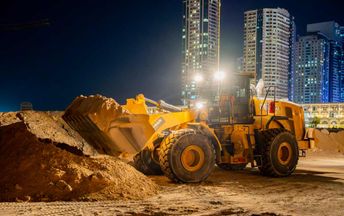
Rain-Ready: Is Your Fleet Prepared for the Next Storm?
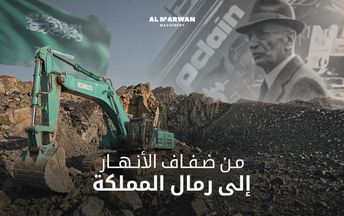
History Time: Why Do We Call Hydraulic Excavators a Poclain?
In the bustling construction sites across the Kingdom of Saudi Arabia, you will rarely hear a worke...
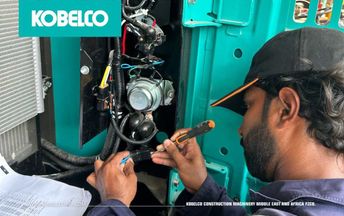
After-Sales Service: Unlocking Heavy Machinery Longevity
GCC's infrastructure surge depends on heavy machinery for sale that conquers unforgiving landscapes....
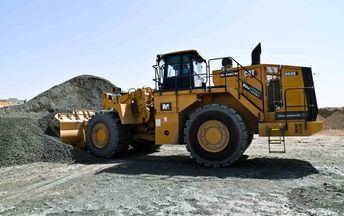
Top 10 Wheel Loader Brands in the World
In the world of heavy machinery, wheel loaders stand out as versatile powerhouses. These machines sc...
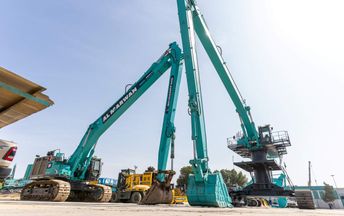
Excavator for Rent at Al Marwan: Mini to Heavy Models
When it comes to heavy equipment, choosing the right excavator for rent can be the difference betwee...
customers stories
Read our customers thoughts
Outstanding Service Experience
We purchased three units from Al Marwan. Excellent after-sales service.

RKG International Group
Steel and Metal Trading

Engine Efficiency, Powered by Al Marwan
They have very good technology to turn the engine to idle mode. We’re completely happy with how Al Marwan works.

Arabian Coast
Construction and Infrastructure Company
Accelerating Connectivity at Scale
We appreciate the coordinated efforts of Al Marwan for the success and timely completion of this project.

Hamriyah Freezone Authority
Government
For a Cleaner, Healthier Community
We appreciate the efforts made by Al Marwan for volunteering in the COVID-19 National Disinfection Program.

Dubai Municipality
Government
Heavy Equipment for Big Screen Blockbusters
We were deeply content with Al Marwan’s operators and would gladly work with them again in the future.

Nefzer Special Effects GmbH
Production Company
On Building an 89 km Road through the Mountain
Al Marwan Machinery has been a great partner on a sophisticated, difficult road building project.

Al Marwan Construct
Contractor
