


Every iconic skyline, mega-bridge, and deep-water port starts with a single, crucial moment: driving...
Heavy Equipment Battery Failure: Six Warning Signs
Dec 31 2025
By

In heavy equipment operations, the battery is far more than a starting aid—it powers your entire machine, including critical electronics, control systems, and auxiliary devices. Yet, its degradation often goes unnoticed until failure hits.
At Al Marwan Heavy Machinery, we understand that downtime is costly. As a heavy equipment supplier, we emphasize proactive maintenance to prevent failures before they cripple your fleet. Below, we break down the six technical indicators that signal it's time to replace your heavy-equipment battery. Knowing these can help you make informed decisions about heavy equipment machinery for sale, maintenance schedules, and operational reliability.
1. Slow-Cranking Engine
The most obvious sign your battery may be failing is slow cranking—when the engine takes longer than normal to start. This typically indicates reduced Cold Cranking Amps (CCA), meaning your battery’s available power has declined.
A weak cranking performance suggests that the battery cannot deliver sufficient current under load. In practical terms, this affects start reliability, especially in heavy construction machinery used on remote sites or in cold conditions. If slow starts become routine, it’s a strong signal that the battery is reaching its end of life.
2. Problems with Electronic Components
When your battery begins to fail, it does more than just affect the engine—it can disrupt your machine’s electronic components. issues can arise with lights, locks, or other electronics: dim or flickering lights, slow or erratic behaviour of electronic systems, or intermittent faults can all point to inadequate battery voltage.

These symptoms are especially critical on modern heavy machinery, which often relies on electronic controls, telematics, and safety systems. A failing battery introduces risk—not just from a machine reliability standpoint, but also from a safety and diagnostics perspective.
3. Engine Won’t Start or “Dead” After Idle
If your machine refuses to start after being parked for several hours—or even minutes—your battery could be failing. A healthy battery should maintain enough reserve power to start the engine reliably after downtime.

Persistent no-start conditions are not just an operator inconvenience. They can bring your project to a halt, cause lost productivity, or require costly jump-starts. For Al Marwan’s clients considering heavy equipment for sale, this is a red flag: waiting until a breakdown to replace a battery often costs much more than a planned swap.
4. Excessive Accessory Drain
Many heavy machines are equipped with multiple accessories—lights, communication devices, hydraulic controls, and more. When a battery is underpowered, accessory power demand can drain reserve capacity more quickly than the battery can recover.

This is particularly a problem for equipment used in long shifts or remote operations. If you notice unexpected battery voltage drops when accessories are used, it's likely time to upgrade to a higher-capacity, heavy-duty battery built for sustained accessory loads.
5. Extreme Temperature Operation
Operating in very hot or very cold temperatures stresses battery performance. Extreme ambient conditions require batteries with higher CCA ratings and more robust internal chemistry.
Heat accelerates chemical degradation; cold reduces available power. In climates where temperatures swing widely, a standard battery may not be sufficient. For fleets in such environments, investing in temperature-optimized batteries—or replacing aging ones—is essential to maintain operational reliability.
6. High-Vibration Environments
Heavy construction sites often impose significant mechanical vibration on equipment. Vibration can accelerate physical wear and tear on battery internals, potentially shortening its lifespan.
Vibration may cause internal connections to loosen or degrade. In such conditions, standard batteries may not hold up; rugged or vibration-resistant batteries (AGM) are more appropriate. Monitoring battery health in high-vibration machines is critical for avoiding premature failure.
Battery Maintenance Best Practices
Recognizing these six signs is only part of the equation. Proper battery maintenance helps extend life, delay replacement, and reduce unexpected downtime.
Cleaning and Inspection
Keep the battery clean and dry. Wipe off debris, condensation, and any corrosive residue. Loose or corroded terminals impair charging and discharge performance.
You can watch this video and learn the right way to clean Cat batteries
Terminal Tightness
Ensure that terminal connections are tight and free from corrosion. Poor connections can lead to voltage drops, inefficient power delivery, and increased internal resistance.
Battery Type-Specific Charging
Heavy machinery may use wet-cell batteries or AGM (absorbent glass mat) batteries. Each requires different charging regimes:

Wet-cell: Use a three-stage charging process—constant current, absorption, and float—to protect the battery.
AGM: Also demands a bulk, absorption, and float charging profile, but with slightly different voltages and time durations.

Read more about the six Heavy Machine Maintenance Tips to Extend Longevity here.
Safety Precautions
When servicing or inspecting batteries, always use insulated tools, wear protective gloves and eye protection, and follow the manufacturer’s safety procedures.
Choosing the Right Replacement Battery
When it’s time to replace, not all batteries are the same. For professional operations, choosing a high-quality, heavy-duty battery is an investment in reliability.
Consider batteries with these characteristics:
- High Cold Cranking Amps (CCA)
- Capacity suited to accessory load
- Durable construction (especially for high vibration)
- Compatibility with extreme temperatures
A well-chosen battery minimizes downtime, supports reliable starts, and handles the rigours of construction or industrial environments.
Why Al Marwan Recommends Proactive Battery Management
As a leading heavy equipment supplier, Al Marwan knows that battery health is often overlooked—until it fails. Unexpected battery failure can cause site delays, idle machines, and safety risks.
We advise clients to integrate battery checks into their preventive maintenance programs. By measuring voltage, inspecting terminals, and monitoring accessory draw, you can predict when a battery is nearing its end of life.
For teams purchasing heavy equipment machinery for sale, selecting a machine with a reliable battery—and educating operators about the six warning signs—ensures longer uptime and better return on investment.
When to Replace vs. When to Re-Condition
There may be cases where a battery doesn’t need a complete replacement. For example, sulfated lead-acid batteries may be reconditioned if detected early. However, if the battery is physically damaged, we recommend replacement.

Additionally, if you operate in extreme temperatures or high-vibration environments, a reconditioned standard battery may not suffice—investing in a more rugged or higher-power replacement is often a better long-term decision.
Safety & Handling During Replacement
Replacing a battery in a heavy machine is not trivial. It requires planning, correct tools, and safety protocols. Use a dedicated maintenance area, secure the battery to prevent movement, and always disconnect the ground terminal first.
Dispose of the old battery safely and in accordance with environmental regulations. Many batteries are recyclable, and recycling programs help reduce waste.
FAQ — Heavy Equipment Battery Replacement
Q: How long does a heavy equipment battery typically last?
Life expectancy depends on use and maintenance. Wet-cell batteries may last 3–5 years; AGM and heavy-duty industrial batteries can last longer when properly maintained.
Q: Can I just recondition a failing battery instead of replacing it?
It depends. If degradation is caused by early sulfation, reconditioning may help. But if there's physical damage or capacity decline due to age or stress, replacement is safer.
Q: What type of battery is recommended for construction equipment?
Use high-CCA, durable, heavy-duty batteries built for vibration and temperature extremes. Industrial-grade batteries designed for heavy machines are ideal.
Q: Is it safe to replace a battery on my own?
Only if you have proper training, tools, and PPE. Use insulated tools, park the machine securely, and follow procedures. Otherwise, involve a qualified technician.
Q: How can Al Marwan help with battery replacement?
As a trusted heavy equipment supplier, Al Marwan advises clients on optimal battery specifications, maintenance practices, and sourcing high-quality replacements for their machinery.
Your heavy equipment’s battery is more than just a starting device—it’s the backbone of your machine’s electrical system. Ignoring early signs of failure can lead to costly downtime, performance loss, and increased repair expenses.
You can check out our spare parts showroom and browse our latest OEMs from trusted brands . Contact our team of experts and share your machine’s make, model, and serial number, so our team can help you find the best battery match for your heavy machine.
With Al Marwan Heavy Machinery, you have a partner who understands the technical demands of modern fleets. We help you choose the right replacement battery, implement maintenance protocols, and avoid unexpected downtime—keeping your operations efficient and reliable.
About Al Marwan Machinery
Leading heavy machinery provider in the GCC since 1978. Your one-stop shop for sales, rentals (3000+ machines), and pre-owned equipment from top brands (Kobelco, Caterpillar, Volvo, Komatsu & more). We are the GCC Rental Company of the Year (2023, 2024, and 2025), empowering projects across the Mena region.
LEARN FROM OUR INDUSTRY EXPERTS
Latest news & updates
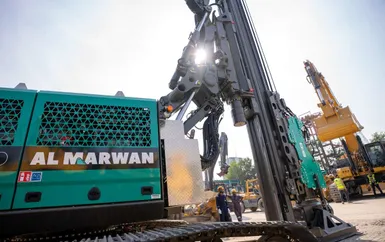
Piling Machine Guide: Top Suppliers and Selection Strategies
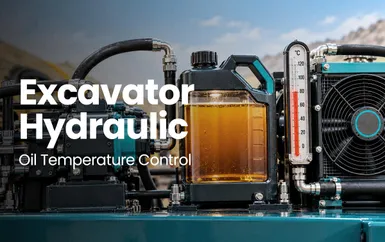
Why Hydraulic Oil Temperature Matters in Excavators
An excavator depends on hydraulic oil and hydraulic hoses to transfer power from its pumps to the bo...
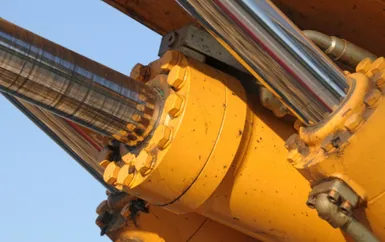
How to Spot Heavy Machinery Fluid Leaks Before They Cause Downtime
A sudden fluid puddle under a digger, loader, or earthmover is an immediate signal that a critical i...
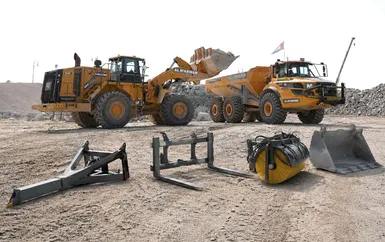
Wheel Loader Attachments That Turn One Machine Into Five
A wheel loader is already one of the most useful machines on any construction site. It loads, carrie...
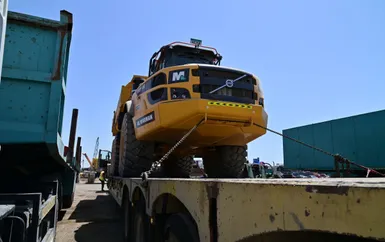
The Ultimate Guide to Buying an Articulated Dump Truck: Critical Tips
Investing in heavy machinery is one of the most significant capital expenditures a business can make...
