


Maintaining high-performance heavy machinery for sale requires a strategy that goes beyond simple o...
Heavy Equipment Operator Techniques That Reduce Fuel Consumption by 15-25%
Apr 15 2026
By

Fuel is one of the highest operating costs in construction, mining, quarrying, and infrastructure projects. For many companies, fuel expenses can account for 30-35% of total operating costs. When projects run longer or productivity slows down, fuel usage increases, affecting profitability. This is why understanding how to reduce fuel consumption in heavy equipment has become a top priority for contractors and fleet managers, not just to save money, but also to improve sustainability and reduce machine wear.
Before investing in new machines or expensive telematics systems, operator behavior plays the biggest role in determining fuel efficiency. Studies from major OEMs such as Caterpillar, Komatsu, and Kobelco show that trained operators can reduce fuel consumption by 15–25% simply by applying the right techniques and habits during daily work.
This article explores the most effective operator techniques that help reduce fuel consumption, increase productivity, and prolong machine life.
Why Fuel Efficiency in Heavy Equipment Matters
Understanding the issue starts with recognizing the impact of poor fuel practices:
| Issue | Result | Result |
| Excessive idling | Fuel burns without productive work | Higher fuel bills, added engine hours |
| High throttle usage | Engine works harder than required | Increased consumption and component wear |
| Poor bucket or blade angle | Higher resistance when digging/moving material | More power needed → more fuel burned |
| Unplanned travel paths | Longer cycle times | More run time and unnecessary engine load |
| Wrong work mode selection | Machine delivers more power than needed | Wasted energy → wasted fuel |
Learn more about ways to maximize fuel efficiency in heavy equipment.

Real Operator Techniques to Reduce Fuel Consumption in Heavy Equipment
Below are advanced and practical techniques used in modern work sites to improve efficiency and save fuel.
1. Throttle Moderation (Power Control)
Many operators believe running at full throttle ensures maximum productivity, but this is not true. Most heavy equipment delivers optimal hydraulic power at 60–80% throttle, meaning operating at maximum throttle wastes fuel while providing no productivity advantage.
How to Apply Throttle Moderation:
- Use medium power mode rather than high power mode unless absolutely necessary.
- Increase throttle gradually instead of pushing to maximum instantly.
- Pay attention to the engine load indicator on the display panel, aim to operate in the green efficiency range, not the red overload zone.
Result: Reduces fuel burn and mechanical strain on engine and pumps.
2. Managing Load and Bucket/Blade Angle
The angle of attack directly affects how easily a bucket or blade cuts through material. Incorrect angles create unnecessary resistance, forcing the machine to work harder.
Best Practices:
- Keep the bucket teeth sharp and replace worn segments; dull teeth increase fuel use by up to 15–20%.
- When loading or digging, avoid lifting the bucket too high before travel, it increases counterweight stress and fuel consumption.
- Maintain a shallow and controlled cutting angle rather than digging steeply into material.
- When pushing with a dozer blade, maintain a steady flow of material; overfilling the blade leads to track slippage and wasted power.
Result: Material handling becomes more efficient, requiring less power per task.
For example, when operating a Kobelco SK220LC excavator, the operator can maximize digging efficiency by keeping the bucket teeth aligned with the natural slope of the ground. Entering the material with a controlled, low cutting angle allows the teeth to slice through without forcing the boom or stick too hard. Once the bucket is full, it’s more fuel-efficient to lift and curl simultaneously instead of lifting high and curling later. This distributes hydraulic load evenly and avoids overworking the engine.

3. Travel Path Planning
Every turn, climb, and unnecessary distance equals wasted fuel. Optimized travel paths decrease load cycles and reduce idle time.
Implement These Measures:
- Have trucks, loaders, or dozers follow the shortest and smoothest route.
- Avoid steep uphill travel when possible, climbing increases fuel consumption by up to 20%.
- Use one-way traffic flow systems to prevent delays and unnecessary stopping.
- Place stockpiles, crushers, and loading zones as close as possible to reduce cycle times.
Example:
If an articulated dump truck reduces its haul distance by just 20 meters per cycle, it can save up to 10 liters per hour.

4. Cycle Time Management
Fuel efficiency improves when the machine completes more useful work in less operating time. The goal is not to rush, but to perform each cycle with the least wasted motion. This is especially important for excavators, wheel loaders, dozers, and dump trucks, basically any machine working in continuous cycles.
For example, when an excavator is loading a dump truck, the operator should avoid swinging the upper structure too far. Ideally, the truck is positioned so the excavator swings no more than 80–90 degrees. If the operator swings 120–150 degrees instead, each cycle becomes slower. Even a few extra seconds per cycle multiply into 30–60 minutes of lost productive machine time per shift, which directly increases fuel burn.

5. Hydraulic Feathering
Hydraulic feathering is about smooth and controlled joystick input, rather than jerking or slamming the controls. Every sudden command forces the hydraulic pump to create rapid high pressure, which requires extra fuel, increases heat, and stresses hoses and seals.
That applies to wheel loaders scooping from a pile: easing into the material and lifting steadily prevents wheel spin and reduces resistance. With Sinoboom telehandlers or crawler cranes, for example, smooth boom extension is far more fuel-efficient than rapid extension and retraction.
The benefit of hydraulic feathering is not only reduced fuel consumption. It also:
- Lowers heat build-up in hydraulic systems
- Extends cylinder and pump lifespan
- Keeps operations more precise and safer

6. Gear Selection & Shift Timing (For Trucks, Graders & Loaders)
Machines with gear transmissions, such as articulated dump trucks, graders, and wheel loaders, consume fuel differently depending on gear selection and throttle behavior. Running in too low a gear forces the engine to rev high, burning more fuel for the same work. The smart approach is to use the highest gear the machine can handle comfortably, keeping the engine in its high-torque, low-RPM efficiency band.
For example, a Volvo A40 or CAT 740GC articulated hauler traveling uphill in first gear at full throttle is using unnecessary fuel. If the hill allows the truck to climb in second or third gear at steady throttle, the engine runs cooler, quieter, and more efficiently. The same principle applies to motor graders shaping a road surface; steady power works better than constant throttle bursts.

About Al Marwan Machinery
Leading heavy machinery provider in the GCC since 1978. Your one-stop shop for sales, rentals (3000+ machines), and pre-owned equipment from top brands (Kobelco, Caterpillar, Volvo, Komatsu & more). We are the GCC Rental Company of the Year (2023, 2024, and 2025), empowering projects across the UAE, Saudi Arabia, and Oman.
Looking for in heavy equipment? upgrade your fleet, or find used heavy construction equipment that delivers reliable performance. Al Marwan Machinery has you covered.
Explore our wide range of heavy equipment machinery for sale and rental heavy machinery with flexible payment options.
FAQs about Fuel Consumption in Heavy Equipment
1. How can operator behavior affect fuel consumption?
Operator techniques such as throttle control, idle reduction, and efficient movement patterns can reduce fuel consumption by up to 25%.
2. Does choosing the right bucket really save fuel?
Yes. Using the correct bucket size and maintaining sharp teeth reduces material resistance, improving digging efficiency and lowering engine load.
3. How often should heavy machinery be serviced for best fuel efficiency?
Follow OEM recommended service intervals. Air, fuel, and oil filter replacements are especially important for optimal combustion and efficiency.
4. Do modern machines automatically reduce fuel usage?
Many newer machines include eco modes, auto-idle, and telematics, but operator technique still plays the biggest role.
LEARN FROM OUR INDUSTRY EXPERTS
Latest news & updates
The Strategic Guide to Air Filtration: Protecting Your Heavy Machinery
Dumper Applications Across Construction Sites
On busy construction sites, moving material is not always about using the biggest truck available. I...
Machinery Maintenance 101: Keeping Your Fleet Running Longer
In the fast-paced world of construction and infrastructure, your machinery is the heartbeat of your...
From Asphalt Plant to Finished Road: The Machinery Chain Behind Paving
A smooth road does not start with the asphalt paver. It starts long before the mix reaches the site....
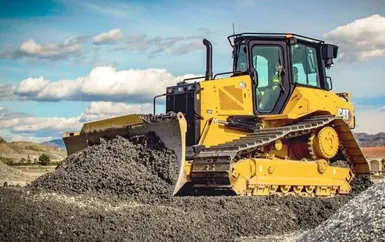
Caterpillar Unveils 3 New Machines at Bauma India 2026
Caterpillar made massive waves at Bauma CONEXPO India 2026 by launching three powerhouse machines en...
