


An excavator depends on hydraulic oil and hydraulic hoses to transfer power from its pumps to the bo...
Warehouse vs Construction Forklifts: Why One Machine Can’t Do Both
Jun 28 2026
By

At first glance, a forklift is a forklift. It lifts, carries, and places loads. But anyone who has worked across both warehouses and construction sites knows that the environment, load type, ground conditions, and safety requirements are so different that trying to use “one forklift for everything” often leads to downtime, damage, and risk.
Warehouses demand different kinds of material handling equipment that can work in narrow aisles and operate cleanly. Construction sites demand strength, stability, and resilience on uneven terrain. Designing a single machine to master both worlds is not just inefficient, it’s technically unrealistic.
This is why choosing the right forklift for the right environment is one of the most important material-handling decisions a business can make, and understanding the difference is the key to productivity, safety, and cost control.
In this guide, we break down why warehouse forklifts and construction forklifts are built for entirely different realities, and how SOCMA forklifts are engineered to excel in each domain.

Two Environments, Two Realities
A warehouse is a controlled ecosystem built around precision. Floors are smooth and level, aisles are narrow, and racking rises high, requiring forklifts to move with accuracy and stability. Work is repetitive and predictable, with standardized pallet loads and constant indoor operation. Emissions, noise, and vibration matter because people and machines share enclosed spaces for long hours. Every design detail supports clean, quiet, and precise movement.
A construction site operates in the opposite conditions. The ground is uneven, dusty, and often muddy. Space is wide but crowded with moving hazards. Loads are irregular, steel, pipes, stone, formwork, each with different balance points. Machines are exposed to heat, vibration, debris, and constant relocation across zones.
Place a warehouse-style electric forklift in this environment, and problems appear quickly. Wheels lose traction on gravel, dust penetrates motors, masts absorb shock they were never designed for, stability drops on slopes, and components wear out prematurely. Reverse the mistake by bringing a rough-terrain diesel forklift into a warehouse,e and efficiency collapses. Maneuvering in tight aisles becomes difficult, noise and emissions disrupt the workspace, heavy tires damage the flooring, and precise racking work slows down.
How Forklifts Are Engineered Differently
Every forklift is a balance between:
- Power
- Stability
- Precision
- Mobility
- Operator comfort
Warehouse forklifts optimize for precision and compact movement. Construction forklifts optimize for torque, clearance, and terrain control.
SOCMA machinery designs each category with a distinct purpose.
In logistics and industrial facilities, models like the SOCMA HNF30 Diesel Forklift or SOCMA FB20 Electric Warehouse Forklift are built with:
- Tight turning radius
- Smooth hydraulic response
- Compact counterweight geometry
- Low mast sway for racking work
- Operator cabins designed for long indoor shifts

On construction and outdoor sites, machines like the SOCMA HNFY-80 Rough Terrain Forklift or SOCMA HNF-500 Diesel Forklift focus on:
- High ground clearance
- Reinforced chassis
- Heavy-duty axles
- Deep-tread industrial tires
- Stability under off-center loads
These machines are not “stronger versions” of warehouse forklifts; they are structurally different tools.

This gap is not about operator skill. It is about machine design. Warehouses demand compact precision. Construction sites demand power and resilience. One forklift cannot be optimized for both worlds without compromise.
Core Differences at a Glance
| Feature | Warehouse Forklift | Construction Forklift |
| Typical Environment | Indoor, smooth floors | Outdoor, uneven terrain |
| Drive Type | Electric / LPG / Light Diesel | Heavy Diesel |
| Tire Type | Cushion or smooth pneumatic | Deep-tread pneumatic |
| Turning Radius | Very tight | Wide |
| Ground Clearance | Low | High |
| Mast Design | High precision, low sway | Reinforced, impact-resistant |
| Load Profile | Standard pallets | Irregular heavy materials |
| Speed Priority | Control and accuracy | Torque and traction |
| Example SOCMA Models | HNF25, FD30 | FD50, HNT35 |
This structural difference explains why one machine cannot realistically serve both worlds without compromise.
Why Using the Wrong Forklift Costs More
Many businesses try to “standardize” their fleet to simplify procurement and training. On paper, this looks efficient. In reality, it often drives costs higher over time. A forklift that is forced to work outside its intended environment begins to accumulate invisible damage from the very first shift.
When a warehouse forklift is deployed on a construction site, wear accelerates almost immediately. Tires degrade within weeks on gravel and debris. Mast bearings absorb shocks they were never engineered to handle. Dust and fine particles infiltrate hydraulic systems, reducing responsiveness and increasing failure rates. Lift accuracy declines on uneven ground, while continuous vibration transfers directly to the operator, increasing fatigue and reducing concentration.
The reverse scenario is just as costly. Using a construction-grade forklift inside a warehouse slows every movement. Wide frames and large turning radii make narrow aisles difficult to navigate. Heavy engines consume more fuel than necessary. Emissions and noise disrupt enclosed workspaces. Industrial tires damage polished floors, and bulky masts increase the risk of striking racking or goods during precision lifts.

What seems like a saving at procurement quickly turns into an ongoing operational loss, typically appearing as:
- Unplanned downtime and service interruptions
- Higher maintenance and parts expenditure
- Damaged goods and infrastructure
- Increased safety incidents and insurance exposure
- Slower throughput and reduced daily output
These costs never appear on the purchase invoice. They accumulate silently across every shift and every operator. Selecting from the Top 77 Forklift Brands and choosing the right class from the beginning does not just improve performance; it protects margins by eliminating these hidden costs before they compound. Especially when evaluating forklifts for rent or forklifts for sale with long-term efficiency in mind.
SOCMA Machinery Approach: Purpose-Built, Not Generic
SOCMA forklifts are engineered around application zones, not marketing labels.
For warehouse and industrial operations, SOCMA offers machines like:
- SOCMA FB series Electric Forklifts (1.5 - 6 tons load capacity) – optimized for zero-emission indoor work with smooth acceleration and precision mast control.
- SOCMA HNF-20/30/35 Diesel Forklifts – ideal for mixed indoor-outdoor logistics with a balance between power and maneuverability.
For construction, ports, and heavy yards:
- SOCMA HNF series Heavy Duty Forklift (10-50 tons load capacity) – built for steel yards, precast handling, and infrastructure projects.
- SOCMA HNT-110 Telehandler – designed for forward reach, high lifting angles, and site mobility.
Each category uses different frame geometry, axle load ratings, and hydraulic tuning. The machines are not adapted; they are born for their environment.

This is why SOCMA machinery is trusted across ports, quarries, logistics hubs, and construction zones throughout the GCC.
Where Al Marwan Machinery Fits In
Warehouses and construction sites demand opposite behaviors from equipment. One needs finesse. The other needs force. Expecting one machine to master both is like using a race car for off-road terrain.
As the authorized dealer for SOCMA machinery in the UAE, we help businesses across the UAE match:
- Application
- Load profile
- Site condition
- Growth plans
Whether you are searching for forklifts for sale in UAE, or evaluating material handling equipment for sale for a new facility, our team maps your operational reality to the correct SOCMA class, warehouse, industrial, or construction-grade.

Frequently Asked Questions
Can a rough-terrain forklift be used inside a warehouse?
Technically, yes, but it is inefficient and unsafe. Construction forklifts are wider, louder, and less precise. They risk damaging the flooring and racking and reducing throughput.
2. Can an electric forklift work outdoors?
In controlled outdoor areas like covered loading bays, yes. On construction sites with dust, slopes, and debris, electric warehouse forklifts suffer rapid wear and loss of traction.
3. What is the most versatile SOCMA model?
For mixed-use industrial yards, the SOCMA FD30 offers a balance between maneuverability and power. However, it is still not a replacement for a true rough-terrain or warehouse-dedicated unit.
4. How do I decide between diesel and electric?
Choose electric for indoor, high-cycle environments with emission restrictions. Choose diesel for outdoor, heavy-load, or uneven terrain operations.
5. Do SOCMA forklifts support attachments?
Yes. SOCMA forklifts are compatible with side shifters, fork positioners, clamps, and specialized industrial attachments, depending on the model.
LEARN FROM OUR INDUSTRY EXPERTS
Latest news & updates
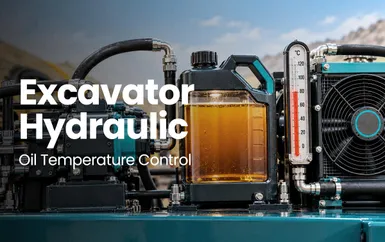
Why Hydraulic Oil Temperature Matters in Excavators
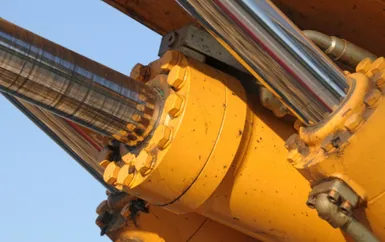
How to Spot Heavy Machinery Fluid Leaks Before They Cause Downtime
A sudden fluid puddle under a digger, loader, or earthmover is an immediate signal that a critical i...
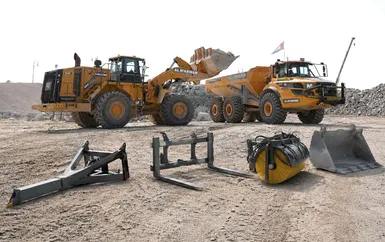
Wheel Loader Attachments That Turn One Machine Into Five
A wheel loader is already one of the most useful machines on any construction site. It loads, carrie...
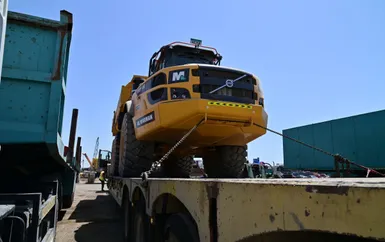
The Ultimate Guide to Buying an Articulated Dump Truck: Critical Tips
Investing in heavy machinery is one of the most significant capital expenditures a business can make...
The Loader Operator’s Blind Spot: Why Visibility Can Make or Break Site Safety
Wheel loaders are among the busiest machines on construction sites. They load trucks, move aggregate...
