


An excavator depends on hydraulic oil and hydraulic hoses to transfer power from its pumps to the bo...
How to Reduce Excavator Idle Time on Busy Sites
Jul 19 2026
By

On a busy construction site, few things are more expensive than an excavator sitting still with the engine running. Idle time quietly eats into fuel budgets, increases wear on machinery parts, shortens service intervals, and reduces overall productivity. Yet on many projects, idle time is treated as “normal.”
Whether you operate a Kobelco excavator, a Komatsu excavator, or any other heavy machine, reducing idle time is one of the fastest ways to improve site efficiency without buying new equipment. And in a market where contractors constantly compare excavator price, excavator price in UAE, or even crane price in UAE before investing in new assets, maximizing the machines you already own is a smarter first step.
This guide explains how idle time happens, how to measure it properly, and practical strategies to reduce it on busy job sites.

What Is Excavator Idle Time and Why It Matters
Idle time occurs when the engine is running, but the machine is not performing productive work. This includes:
- Waiting for trucks
- Waiting for instructions
- Engine running during operator breaks
- Delays caused by poor site coordination
Modern excavators consume significant fuel even at idle. Depending on size, an excavator can burn between 3-5 liters per hour while idling. Over a month of heavy use, that can translate into hundreds of wasted liters without moving a single cubic meter of soil.
Idle time also increases:
- Engine hours without productive output
- Maintenance frequency
- Carbon buildup in engines
- Hydraulic system strain
- Long-term machinery parts replacement costs
When contractors calculate total ownership cost while comparing excavator for sale in Dubai listings or evaluating a mini excavator for sale, they often overlook how idle time dramatically affects lifecycle cost.

How Do You Reduce Excavator Idle Time? A 10-Step Fleet Guide
Step 1: Measure Before You Fix
You cannot reduce what you don’t measure.
Most modern excavators, including the latest Kobelco machines available through Al Marwan Machinery, come equipped with telematics systems that monitor engine hours, working hours, fuel consumption, and idle percentage. These systems provide valuable operational insights that allow fleet managers to understand how machines are actually being used on site, and reduce fuel consumption significantly.
For example, newer Kobelco models such as the SK210LC-10, SK350LC-10, SK500XDLC-10, and the heavy-duty SK850LC-10 track excavator generate detailed operational data that helps identify idle patterns across projects. Instead of relying on assumptions, contractors can review weekly telematics reports to evaluate equipment utilization. If idle time exceeds roughly 25–30% of total engine hours, it usually signals workflow inefficiencies on the job site.
Even older excavators without integrated telematics can still be monitored by logging engine-on hours against productive task time. However, digital monitoring systems remain far more accurate and useful for long-term performance analysis.
Step 2: Improve Site Logistics and Truck Coordination
One of the biggest causes of excavator idle time is truck delay.
- An excavator loading trucks must operate in rhythm. If haul trucks arrive late, the excavator waits.
- If too many trucks arrive at once, trucks wait, which disrupts workflow.
Balancing truck cycles with excavator capacity is critical.
For instance:
- A mid-size 20-25 ton excavator like a Kobelco SK210LC may load a standard dump truck in 3–5 minutes.
- A larger machine like the SK500XDLC or SK850LC handles higher volumes but requires proper haul planning.
Mismatch between machine size and trucking logistics increases idle time dramatically.
This is where planning tools and pre-shift coordination meetings matter more than equipment upgrades. In many cases, contractors looking at a higher excavator price in UAE believe upgrading size will fix productivity, but poor logistics remains the real bottleneck.

Step 3: Match the Right Excavator to the Job
Oversized machines idle more frequently on smaller tasks. Undersized machines struggle and overwork.
A common mistake is assigning a large crawler excavator to light trenching or utility work where a compact unit would perform better. In such cases, a mini excavator for sale might actually be the smarter investment.
Investing in a mini excavator for sale can sometimes be the smarter choice because smaller machines maneuver easily in confined areas, require fewer repositioning movements, and match the productivity requirements of smaller jobs more effectively.
On the other hand, heavy quarry or mass excavation projects demand high-performance machines such as the Kobelco SK500XDLC or SK850LC, built for demanding conditions.
Contractors often compare Komatsu excavator and Kobelco options based on brand loyalty or initial cost. However, reducing idle time starts with correct machine sizing, not just brand comparison.
Step 4: Train Operators on Idle Discipline
Operator behavior significantly affects idle time.
Some operators leave machines running during breaks, phone calls, or while waiting for instructions. In cold climates, warm-up practices may extend longer than necessary.
Modern engines no longer require excessive idle warm-up periods. Following manufacturer guidelines can reduce unnecessary engine hours.
Training should include:
- Shutting down engines during extended waits
- Using auto-idle features when available
- Understanding fuel consumption impact
- Reviewing telematics performance reports
Kobelco excavators are designed with fuel-saving technologies and auto-idle systems that automatically reduce engine RPM when controls are inactive. Proper use of these features can reduce fuel use without affecting productivity.
Idle reduction training also extends the lifespan of key machinery parts such as injectors, turbochargers, and hydraulic components.

Step 5: Optimize Job Sequencing
Busy sites often suffer from sequencing problems.
An excavator may finish digging but wait for survey confirmation. Or it may be ready for backfilling while another crew delays pipe installation.
These coordination gaps cause idle time that appears “normal” but is actually avoidable.
Site managers should schedule excavation phases clearly, coordinate subcontractor timelines, ensure materials are delivered before digging begins, and maintain constant radio communication between crews.
Reducing idle time is less about machine capability and more about process efficiency.
Step 6: Use Telematics to Compare Fleet Performance
If your fleet includes both a Kobelco excavator and a Komatsu excavator, comparing idle ratios between machines can reveal operational differences.
Sometimes the machine isn’t the issue; the site is.
If one project shows 18% idle while another shows 35%, investigate management differences rather than assuming equipment inefficiency.
Telematics data also helps when evaluating whether to invest in new equipment. Contractors should calculate:
Fuel waste + Maintenance cost + Idle engine hours
versus
Productive output per hour
A machine with slightly higher upfront cost but lower idle and fuel consumption may be more economical long term.

Step 7: Prevent Maintenance-Related Delays
Mechanical issues increase idle time indirectly.
If hydraulic systems respond slowly, attachments underperform, or sensors malfunction, operators hesitate and slow down.
Routine inspection of machinery parts reduces such delays. This includes:
- Checking hydraulic hoses
- Inspecting bucket teeth
- Maintaining cooling systems
- Monitoring filters and lubrication
Al Marwan’s Kobelco range emphasizes durability and fuel efficiency, but even the best machines require consistent preventive maintenance to operate at peak performance.
Step 8: Evaluate Attachment Strategy
Using the wrong bucket or attachment increases cycle time.
For example, using a general-purpose bucket in hard rock slows digging. A heavy-duty bucket or ripper attachment would reduce cycle duration and idle repositioning.
Similarly, switching between attachments without proper planning can increase downtime. Quick coupler systems help reduce attachment-change delays and improve operational flow.
Optimizing attachments improves productivity without increasing engine hours.
Step 9: Calculate the Real Cost of Idle Time
Let’s put it into perspective.
If a 35-ton excavator idles 3 hours daily and consumes 4 liters per hour:
4 liters × 3 hours × 25 working days = 300 liters per month
Multiply this across multiple machines and annual operations, and the cost becomes substantial.
When contractors search for an excavator for sale, they often focus on purchase value. But idle reduction can deliver savings equivalent to thousands annually, without new capital expenditure.
In many cases, reducing idle time by 10-15% provides better ROI than upgrading to a more expensive model.
Step 10: Build a Culture of Productivity
Ultimately, idle reduction is cultural.
It requires:
- Transparent performance reporting
- Operator accountability
- Data-driven decision-making
- Site coordination discipline
Companies that treat equipment as strategic assets, rather than just rented tools, consistently outperform competitors.
When evaluating whether to invest in a mini excavator for sale, a larger crawler unit, or even comparing it with lifting equipment while reviewing crane price in UAE, remember that utilization efficiency often matters more than equipment size.

Improve Excavator Productivity with Al Marwan Machinery
If you’re planning to upgrade your fleet or looking for an excavator for sale in Dubai, choosing the right machine is only part of the equation. Long-term productivity also depends on reliable equipment, quality machinery parts, and strong after-sales support.
At Al Marwan Machinery, contractors can explore a wide range of Kobelco excavator models, from compact units to heavy-duty crawler excavators used in demanding projects. Whether you’re evaluating excavator price in UAE, or searching for a mini excavator for sale, Al Marwan provides dependable machines backed by expert technical support and genuine parts.
Explore the latest Kobelco excavators at almarwan and keep your projects moving with equipment built for productivity.
Frequently Asked Questions
1. How much fuel can operator techniques save in heavy equipment?
Proper operating techniques can reduce fuel consumption by 15–25%, depending on the machine type, application, and site conditions. Practices such as throttle moderation, efficient travel path planning, minimizing idle time, and optimizing bucket angles all contribute to lower fuel usage without reducing productivity.
2. What is an acceptable idle time percentage for heavy equipment?
For most construction fleets, idle time should ideally remain below 20–30% of total engine hours. Higher idle ratios waste fuel, increase engine wear, and raise maintenance costs. Many fleet managers use telematics to monitor idle time and identify opportunities for improvement.
3. How do modern telematics systems help reduce fuel consumption?
Modern telematics systems monitor fuel usage, idle time, engine load, travel distance, and operator behavior in real time. By analyzing this data, fleet managers can identify inefficient operating habits, improve operator training, optimize machine utilization, and reduce unnecessary fuel consumption across the fleet.
4. Why does poor site logistics increase fuel consumption?
Poor site layout forces machines to travel longer distances, wait for trucks, or perform unnecessary movements. For example, if an excavator spends several minutes waiting for dump trucks between loading cycles, the engine continues burning fuel without productive work. Optimizing haul routes, truck positioning, and material stockpiles helps reduce delays and improve fuel efficiency.
LEARN FROM OUR INDUSTRY EXPERTS
Latest news & updates
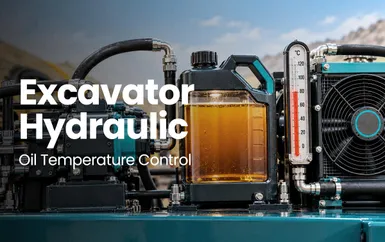
Why Hydraulic Oil Temperature Matters in Excavators
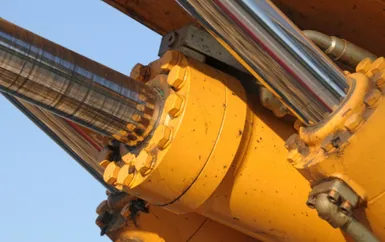
How to Spot Heavy Machinery Fluid Leaks Before They Cause Downtime
A sudden fluid puddle under a digger, loader, or earthmover is an immediate signal that a critical i...
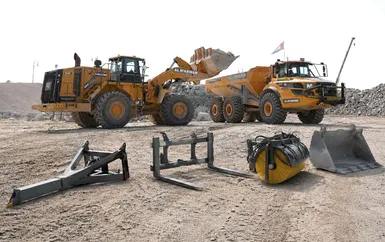
Wheel Loader Attachments That Turn One Machine Into Five
A wheel loader is already one of the most useful machines on any construction site. It loads, carrie...
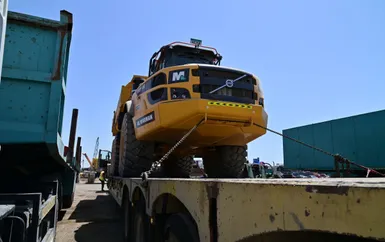
The Ultimate Guide to Buying an Articulated Dump Truck: Critical Tips
Investing in heavy machinery is one of the most significant capital expenditures a business can make...

The Loader Operator’s Blind Spot: Why Visibility Can Make or Break Site Safety
Wheel loaders are among the busiest machines on construction sites. They load trucks, move aggregate...
