


A sudden fluid puddle under a digger, loader, or earthmover is an immediate signal that a critical i...
Why is Your Transmission Filter the Most Critical Point of Failure?
Sep 04 2026
By

In the heavy construction industry, your equipment is only as reliable as its internal filtration system. For fleet managers and technicians at Al Marwan Heavy Machinery, the transmission is the undisputed heart of a machine’s power. Whether you are running a heavy-duty articulated dump truck on tough terrain, operating a bulldozer for sale on a site prep project, securing excavators for rent for seasonal work, or adding a wheel loader for sale to your fleet, if the oil isn't clean, the gears don't turn—it’s as simple as that.
The transmission filter is the only thing standing between high-performance operation and a catastrophic mechanical breakdown. Understanding why this specific component fails is the key to preserving machine uptime across your entire equipment investment.
This guide provides the technical breakdown every professional needs to keep their gear shifting smoothly under the heaviest loads.
The Technician’s Perspective: Why Filtration is Non-Negotiable
A modern heavy equipment transmission is a masterpiece of hydraulic precision. It relies on a complex network of clutch packs, solenoid valves, and precision-ground gears. Even microscopic debris can act like sandpaper inside these tight-tolerance components.

The transmission filter is specifically engineered to catch metal wear particles, carbon buildup, and external dust before they reach the control valves. When the filter becomes restricted, the bypass valve opens, allowing unfiltered oil to circulate through your expensive internal parts.

When you invest in heavy machinery, you protect its future earning potential by monitoring its filtration health. A proactive filter change is a fraction of the cost of a transmission rebuild. In fact, a complete transmission failure can often cost up to 20% of the machine's total market value.
Why Professionals Prioritize Filter Health:
- Extended Drivetrain Life: Minimizes the scoring of gear surfaces and bearings.
- Consistent Shift Quality: Prevents jerky or delayed shifts that can cause safety hazards on-site.
- Optimized Thermal Control: Clean filters allow for maximum oil flow, which is critical for heat dissipation.
- Maximum Drawbar Pull: Ensures full hydraulic pressure is available to the wheels or tracks.
- Warranty Compliance: Keeping detailed records of filter changes protects your machine’s factory or dealer warranty.
When to Pull the Machine: Warning Signs of a Clogged Filter
A pro operator doesn't wait for a breakdown to act. Extreme heat accelerates fluid and filter degradation, making early detection critical to prevent multi-thousand-dollar overhauls. Pulling a unit early protects your primary assets—whether you are operating a bulldozer for sale, hauling payloads with an articulated dump truck, running high cycles on a wheel loader for sale, or managing excavators for rent.

While modern telematics provide an extra layer of security, your senses are the first line of defense. If your transmission filter is reaching its holding capacity, the machine will provide indicators long before the dashboard light stays on.
Red Flags That Require Immediate Inspection:
- Transmission Slippage: A sudden increase in engine RPM (revolutions per minute) without a corresponding increase in ground speed.
- Rough Shifting: Clunking or "hard" shifts that weren't present during the machine's last shift.
- Low Power in Gear: The machine feels sluggish or "heavy" when trying to push or climb grades.

- Burnt Fluid Odor: If you smell burnt oil near the transmission breather, your filter is likely bypassed, and the oil is cooking.
- Unexplained Overheating: The transmission temp gauge creeping into the red during standard operations.
Step-by-Step: The Professional Filter Service Protocol
Following this protocol ensures zero contamination and maximum system integrity. This process is similar across most Caterpillar and Komatsu models found in the Al Marwan inventory.
Park the unit on a level, compacted surface. Lower the loader bucket and the backhoe boom until they are firmly grounded. This relieves all hydraulic pressure from the system, making it safer to work around moving parts.
1 . Preparation
Engage the parking brake and shut down the engine. Tag out the controls if you are working in a multi-man crew to prevent accidental startup. Allow the oil to settle for a few minutes; this allows contaminants to stay trapped in the filter rather than circulating back into the pan while you are working.
2. Removal Without Contamination
Locate the Service Point: On most modern backhoe loaders, the filter is located on the left side for ground-level access.
Use the Right Tool: Only use a professional-grade strap wrench. Avoid "screwdriver-punching" a stuck filter, as it can release metal shards into the clean side of the housing.
The "Two-Rag" Rule: Use one rag to clean the exterior of the housing before removal, and a second lint-free rag to wipe the sealing surface once the filter is off.
Double Gasket Check: This is a common pro tip—always verify the old gasket didn't stick to the base. A "double-gasket" setup will blow out under pressure, dumping all your oil in seconds.

3. Precision Installation
Pre-Lubrication: Take a drop of fresh oil and coat the new gasket. This prevents the gasket from "binding" or tearing as you tighten it, ensuring a vacuum-tight seal.
Thread with Care: Spin the filter on by hand. You should feel zero resistance. If it feels tight immediately, back it off—you are cross-threading the housing, which is an expensive mistake to fix.
Torque to Spec: Tighten until the gasket touches the base, then give it an additional 3/4 to 1 full turn. Never use a wrench to tighten; hand-tight is the industry standard for spin-on filters.
You can read more about loader lubrication in our previous blog.
Frequently Asked Questions (FAQ)
1. Does Al Marwan provide service history for every machine for sale?
Absolutely. Whether you are looking at an articulated dump truck, a bulldozer for sale, or a backhoe, every machine in our inventory undergoes a rigorous technical audit. We provide full transparency on fluid changes, filter replacements, and any component overhauls so you can buy with total confidence.
2. Can a bad transmission filter cause a fault code?
Yes. Modern machines—including hydraulic heavy units like a wheel loader for sale or high-capacity dump trucks—use pressure sensors to monitor "delta-P" (the difference in pressure across the filter). If the filter is clogged, the sensor detects a drop in flow and will trigger a "Transmission Filter Restricted" code on your display.
3. Is it okay to use a hydraulic filter in place of a transmission filter on excavators or loaders?
Never. Even if you are servicing excavators for rent or secondary jobsite loaders, hydraulic and transmission filters are not interchangeable. While they may look identical, they are rated for different pressures and micron sizes. Transmission filters often contain specialized media to handle the specific additives in drivetrain oil. Using the wrong part can lead to catastrophic failure.
4. What is the most common mistake made during filter changes?
The most common error across all heavy equipment models is over-tightening the filter with a wrench. This crushes the gasket and can actually crack the filter head or make it impossible to remove during the next service, leading to wasted labor hours.
5. Why should I buy or rent my next machine from Al Marwan?
We combine a massive inventory—from a top-tier bulldozer for sale to flexible fleet options like excavators for rent—with a deep commitment to operator education and maintenance excellence. We are dedicated partners in your project's overall uptime and long-term profitability.
6. Does air in the filter affect machine performance?
Yes. If you don't cycle the gears after a filter change on your loader or articulated dump truck, trapped air pockets can cause the transmission to "slip" or engage harshly. Following the Al Marwan post-service check ensures all air is completely purged before you put the machine under a heavy working load.
Proactive transmission maintenance is the line between project profitability and costly downtime. By identifying early warning signs of clogged filters, utilizing proper replacement protocols, and partnering with industry experts, you ensure your equipment delivers maximum power and reliability on every job site. Whether you need an articulated dump truck to haul heavy materials, a bulldozer for sale to tackle rough grading, high-efficiency excavators for rent, or a robust wheel loader for sale, Al Marwan Heavy Machinery has the operational expertise and fleet solutions to keep your business moving forward.
Don't wait for a warning light—contact our service team today to schedule your routine transmission audit or explore our latest machinery inventory!
LEARN FROM OUR INDUSTRY EXPERTS
Latest news & updates
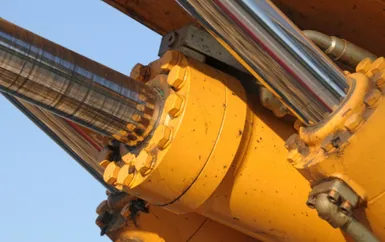
How to Spot Heavy Machinery Fluid Leaks Before They Cause Downtime
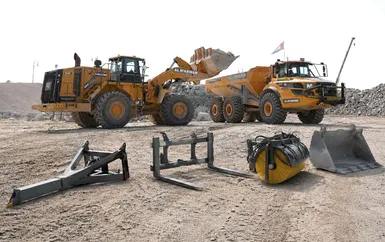
Wheel Loader Attachments That Turn One Machine Into Five
A wheel loader is already one of the most useful machines on any construction site. It loads, carrie...
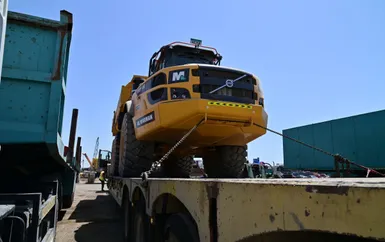
The Ultimate Guide to Buying an Articulated Dump Truck: Critical Tips
Investing in heavy machinery is one of the most significant capital expenditures a business can make...

The Loader Operator’s Blind Spot: Why Visibility Can Make or Break Site Safety
Wheel loaders are among the busiest machines on construction sites. They load trucks, move aggregate...
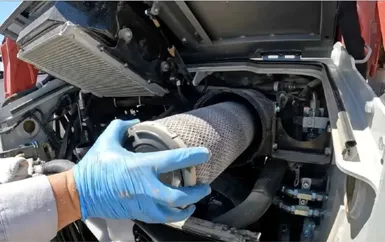
The Strategic Guide to Air Filtration: Protecting Your Heavy Machinery
Maintaining high-performance heavy machinery for sale requires a strategy that goes beyond simple o...
