


A sudden fluid puddle under a digger, loader, or earthmover is an immediate signal that a critical i...
How to Spot Heavy Machinery Fluid Leaks Before They Cause Downtime
Oct 20 2026
By

A sudden fluid puddle under a digger, loader, or earthmover is an immediate signal that a critical internal system is compromised. Heavy machinery relies on specialized fluids—including hydraulic oil, engine lubricant, gear oil, coolant, and fuel—to operate safely under extreme operating pressure.
Ignoring minor drips accelerates internal wear, triggers expensive hydraulic pump failures, and causes unscheduled jobsite downtime. Following a proactive heavy equipment inspection checklist helps maintenance teams catch leaks before they lead to catastrophic mechanical breakdowns. Whether managing a permanent fleet or sourcing excavators for rent for temporary site contracts, learning to identify fluid leaks by color, viscosity, and location keeps your machinery running efficiently.
Fluid Identification Guide: Spotting Leaks by Color & Texture
Every fluid in construction equipment performs a distinct job and leaves specific visual clues when leaking:
- Hydraulic Fluid (Amber to Dark Brown): Slightly slick with moderate viscosity. Leaks typically appear near cylinder seals, hose couplings, or main control valve blocks.

- Engine Oil (Golden Brown to Jet Black): Thick, slippery, and smells heavily of combustion. Commonly pools beneath the oil pan, filter housing, or valve covers.
- Engine Coolant / Antifreeze (Bright Green, Pink, or Orange): Sweet-smelling liquid with a light, watery texture. Typically drips around the radiator, water pump, or heater hoses. For step-by-step cooling system care, check our guide on radiator maintenance for heavy machinery.

- Transmission & Gear Oil (Reddish to Dark Brown): Heavy and viscous with a pungent, burnt-sulfur odor. Found around axles, final drives, and gearbox housings.

- Diesel Fuel (Clear to Pale Yellow): Thin, watery fluid that evaporates quickly and leaves a sharp fuel smell. Look for dampness around fuel injectors, filters, and line fittings.
- Diesel Exhaust Fluid / DEF (Clear Watery Liquid): Leaves a distinct white, crystalline residue as it dries. Leaks occur near the DEF tank, dosing unit, and SCR exhaust lines.
Top Five Causes of Heavy Machinery Fluid Leaks
Preventing fluid loss starts with identifying where system pressure breaks down during operation:
- Worn Seals & O-Rings: High operating temperatures harden rubber seals over time, causing them to crack and lose pressure containment.
- Damaged Hydraulic Hoses: Constant rubbing against metal frames causes outer sheath abrasion, eventually blowing high-pressure hose braids. To prevent sudden ruptures, review our guide on heavy equipment hoses and when to replace them.

- Loose Line Fittings & Clamps: Continuous engine vibration shakes threaded connectors and hose clamps loose during daily operation.
- Corroded Radiators & Coolers: Debris buildup and environmental moisture corrode aluminum cooler fins and core tubes.
- Overpressurized Systems: Clogged breather caps or faulty relief valves force fluid past intact seals.
Four Steps to Diagnose & Trace Hidden Leaks
Not all leaks leave obvious puddles directly under the failure point. Tracing hidden fluid leaks requires a systematic inspection routine:
- Clean the Machine Assembly: Pressure-wash greasy chassis components to remove caked mud, dust, and old oil accumulation.

- Inspect Cold Fluid Levels: Check dipsticks and sight glasses while the machine rests on level ground before starting the engine.
- Run a Dry-Paper Test: Place clean cardboard or white paper sheets under suspected hose connections and valve blocks.
- Cycle System Hydraulics: Start the machine and operate boom, arm, and travel controls through full cycles to build normal operating pressure.
Safety Warning: Never use bare hands to feel for hydraulic leaks. High-pressure pinhole leaks can inject fluid directly through human skin, causing severe tissue injury. Always use a piece of cardboard or wood when inspecting pressurized lines.
Fleet Synergy: Pairing Equipment for Peak Site Efficiency
Preventing downtime across your jobsite involves matching your lifting and excavating assets with reliable earthmoving machinery:

- High-Volume Material Loading: Pair your excavators with a high-capacity wheel loader for rent to move stockpiles, load crushers, and clean up work pads quickly.
- Rough-Terrain Mass Haulage: For long-distance material transport across muddy or uneven terrain, deploy an articulated dump truck to keep site production moving.
- Site Preparation & Bench Leveling: Prepare stable working pads for heavy hoists by using a durable Caterpillar bulldozer to clear obstacles and level ground.
Keep Your Jobsite Leak-Free with Al Marwan Machinery
Should complex fluid leaks, hydraulic failures, or component wear occur on your jobsite, the Al Marwan maintenance department provides comprehensive after-sales support, complete engine overhauls, and specialized component repairs across 1,000,000+ sq. ft. of advanced workshop facilities. For immediate on-site emergencies, our fleet of 35+ mobile service trucks delivers rapid diagnostics, fluid replacements, and hose repairs directly to your jobsite to eliminate operational delays.

Whether evaluating competitive excavator price in uae market rates to expand your fleet permanently, or acquiring high-capacity excavators for rent backed by certified operators, we have you covered. Our extensive earthmoving lineup includes top-tier Kobelco excavator and Komatsu excavator units, high-capacity wheel loader for rent options, rugged articulated dump truck haulers, and heavy-duty Caterpillar bulldozer models ready for immediate mobilization across the UAE and GCC
Frequently Asked Questions (FAQ)
What should I do if a hydraulic hose bursts during operation?
Immediately shut down the engine to stop pressurized fluid flow. Lower all attachments to the ground, relieve trapped pressure in the hydraulic control levers, and place spill containment pads beneath the leak.
How can I tell if a leak is hydraulic fluid or transmission fluid?
Check the odor and location. Hydraulic fluid generally smells earthy or neutral and leaks near cylinders and valve blocks. Transmission fluid has a pungent, burnt sulfur smell and leaks near axles, gearboxes, or torque converters.
Why is Diesel Exhaust Fluid (DEF) leaking white crust around my exhaust?
When DEF leaks and evaporates upon contact with air, it leaves behind solid white urea crystals. This indicates a loose line connection, cracked injector housing, or failing fitting along the SCR system.
LEARN FROM OUR INDUSTRY EXPERTS
Latest news & updates
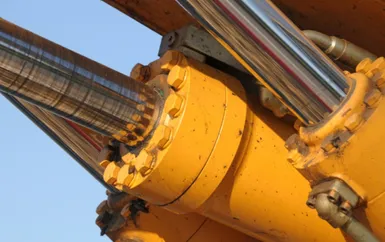
How to Spot Heavy Machinery Fluid Leaks Before They Cause Downtime
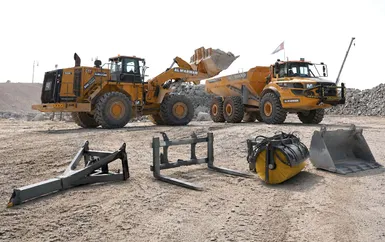
Wheel Loader Attachments That Turn One Machine Into Five
A wheel loader is already one of the most useful machines on any construction site. It loads, carrie...
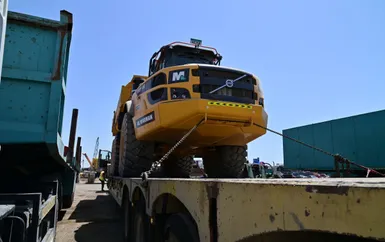
The Ultimate Guide to Buying an Articulated Dump Truck: Critical Tips
Investing in heavy machinery is one of the most significant capital expenditures a business can make...

The Loader Operator’s Blind Spot: Why Visibility Can Make or Break Site Safety
Wheel loaders are among the busiest machines on construction sites. They load trucks, move aggregate...
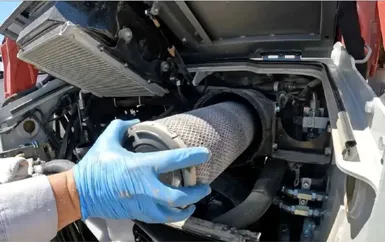
The Strategic Guide to Air Filtration: Protecting Your Heavy Machinery
Maintaining high-performance heavy machinery for sale requires a strategy that goes beyond simple o...
