


Maintaining high-performance heavy machinery for sale requires a strategy that goes beyond simple o...
Barakah Nuclear Energy Plant
Oct 28 2024
By

The Barakah Nuclear Energy Plant is a game changer for the UAE’s global ranking among the leading countries towards a cleaner energy, since it’s significance comes not only from the fact of being the first of its kind, evidently being the first fully functional nuclear plant in the Arab World as a whole, with its impressive capacity to provide up to 25% of the nation's electricity. By paving the path for sustainable energy, the plant benefits the local economy while also contributing significantly to the worldwide fight against climate change, highlighting the UAE's dedication to environmental responsibility and technical innovation.

As part of the UAE Energy Strategy 2050, the United Arab Emirates adopted Atomic Energy as part of the energy diversification strategy, which by the time it was completed will be part of the strategy's effort to cut carbon emissions by 70% subsequently achieving a 50% share of sustainable green power into the national energy mix.
The official start of Barakah Nuclear Power Plant construction was in July 2012, as a result of a $25 billion deal between the Emirates Nuclear Energy Corporation (ENEC) and KEPCO (Korea Electric Power Corporation), thus the UAE embarked on constructing four APR1400 reactors; each designed to generate 1,400 MW of electricity which all combined and performing at peak performance will produce an impressive 5,600 MW of clean atomic energy.
Key Milestones in the Project
- 2012: Construction begins, marking the start of a new era for the energy sector.
- 2018: The first reactor was completed, bringing a major milestone in energy production capabilities.
- 2020: The initial reactor was connected to the national grid, marking the first use of nuclear energy in the UAE.
- 2021-2024: Additional reactors come online in stages, steadily increasing the overall energy output to meet a significant portion of national electricity needs.

Heavy Machinery: What built up Barakah
Given the size and complexity of the project, it was crucial that every piece of equipment operated precisely since building the nuclear power plant needed a great deal of heavy gear and carefully coordinated labor.The project required Heavy-duty cranes, including Kobelco crawler cranes and giants from Mammoet and Liebherr, were indispensable for handling the massive loads during the project. These industry-leading machines, sourced from trusted heavy equipment companies, were key to lifting and positioning components like the 500-ton reactor pressure tanks with precision.
Additionally, high-capacity crawler cranes were acquired, which allowed them to move heavy materials across the vast construction site and proved their worth by their stability and mobility. Similarly, once construction started, massive tunnel-boring equipment took center stage, excavating underground caverns required for the cooling systems and carefully creating access tunnels that allowed materials and equipment to be moved around the site, giving the structures a stable base and, consequently, laying sturdy and stable foundations.
Furthermore, excavators of various weights and types from recognized heavy equipment suppliers were critical in removing massive amounts of earth and laying the groundwork for this monumental operation. These machinery were critical to the digging process, allowing the construction team to rapidly and effectively prepare the site for the next stages of development. A fleet of excavators efficiently managed the extensive groundwork, playing a vital role in site preparation, their precise performance was crucial in establishing the strong, stable base needed for such a large-scale project.

Adding to the massive list of construction equipment to rent or buy, the project involved pouring 400,000 cubic meters of concrete, enough to build multiple towers. To accomplish this, they utilized a variety of pumping equipment, such as concrete pump trucks. Additionally, line pumps handled smaller pores, filled forms, and constructed the enormous concrete foundations that supported the entire plant.
Specialized material handling and precision measuring tools guaranteed that everything was built to exacting standards; heavy-duty material handlers meticulously moved steel reinforcements and pre-fabricated components with utmost precision, while laser scanning and other advanced instruments continuously confirmed alignments and tolerances, ensuring unparalleled accuracy throughout the construction process.
To complete the impressive collection of heavy machinery, the complex task of transporting the large components to the site required the use of specially built transport vehicles that could handle oversized loads. As a result, the committed team made sure that everything arrived in perfect condition, ready to be seamlessly integrated into the grand design, by skillfully coordinating deliveries, optimizing routes, and refining handling procedures to meet the project's deadline.

Impressive Gross Capacity
To put the figures into perspective this makes the Barakah Nuclear Power Plant among the top ten nuclear reactors in the world because of its 5,600 MW of energy which will cover approximately 40% of the approximately 15,000 MW needed domestically during the hot summer months.
Here are a few of the world’s biggest reactors as a point of comparison to help put all the power plant place in perspective:

Another way to look at the energy production of the Barakah Nuclear Power Plant is to power 574,000 houses in the United Arab Emirates, reducing reliance on more conventional energy sources like fossil fuels and offering a long-term, dependable source of energy.
The environmental benefits are equally noteworthy as it is expected to reduce carbon emissions by 21 million tons annually, which is equivalent to taking 4.5 million cars off the road annually. Thus being in line with the Emirates' larger goal of reducing carbon emissions by 2050, underscoring the critical role that nuclear power plays in the fight against climate change.
What Led Us Here?
To fully grasp the significance of the Barakah Nuclear Power Plant, it is essential to trace the rich history of nuclear energy, beginning in 1789 when German chemist Martin Klaproth discovered uranium, the critical element for atomic power; more than a century later, James Chadwick discovered the neutron in 1932, to be a critical particle in nuclear reactions, and in 1938, Otto Hahn and Fritz Strassmann demonstrated nuclear fission—the process of splitting an atomic nucleus to release immense energy, which was a pivotal moment leading up to July 16, 1945, when the Manhattan Project conducted the first detonation of an atomic bomb at Alamogordo, New Mexico, showcasing both the formidable power and potential devastation of nuclear energy.
Recognizing the immense potential of nuclear energy for peaceful applications, president Dwight D. Eisenhower boldly launched the groundbreaking "Atoms for Peace" program in 1953. Consequently, this visionary initiative led to the operation of the world's first commercial nuclear power plant—the Shippingport Atomic Power Station—in 1957. Although it produced only 60 MW—a modest output compared to Barakah's impressive 1,400 MW per reactor—this pioneering facility laid the critical foundation for future reactor development and ignited the global expansion of nuclear energy.
Despite challenges from the late 1970s through the early 2000s—such as canceled reactor orders, declining uranium prices, industry consolidation, and public concerns over safety and environmental impact, nuclear power experienced a resurgence in the late 1990s with the commissioning of Japan's Kashiwazaki-Kariwa Unit 6. This 1,350 MW advanced boiling water reactor renewed confidence in nuclear technology, resonating the growing global demand for electricity, along the global push to reduce carbon emissions amid climate change concerns. Hence, reignited interest and investment in nuclear energy worldwide led to projects like the Barakah Nuclear Power Plant, which emerged as symbols of technological advancement and a commitment to a sustainable future.

The Reactors that give life to Barakah
Now that we have been caught up on the development of nuclear power, what are the reactors that make the impressive numbers of Barakah possible?
At the core of the Barakah Nuclear Energy Plant are four APR1400 reactors, representing one of the most technologically advanced nuclear designs in existence. Each unit is a Pressurized Water Reactor (PWR) capable of producing up to 1,400 Megawatts of electricity, based on the System 80+ design certified by the Nuclear Regulatory Commission (NRC) in the United States, offering an impressive operational lifespan of 60 years.
These third-generation reactors meet the strictest international safety and performance standards, they are equipped with a Generation III safety system, specifically designed to prevent or mitigate serious accidents. It incorporates passive safety mechanisms to ensure safe shutdown, dissipate decay heat, and prevent radioactive leaks, ensuring maximum safety and reliability.
The Federal Authority for Nuclear Regulation (FANR), the UAE's nuclear safety authority, has modified the reactors' original design to meet the country's particular climate. Among these design adjustments are:
- Bigger heat exchangers, pumps, and pipes to boost the cooling systems' water flow rate and control the Gulf's warmer waters.
- Systems for seawater intake and plant cooling intended to guarantee adherence to Environmental Agency – Abu Dhabi (EAD) regulations regarding temperature variations in the Gulf of Mexico close to the plant.
- Increased air conditioning and ventilation to combat the impacts of rising temperatures, drier air, and large amounts of sand and dust in the air
- An improved intake screen design to safeguard nearby fish populations while operations are underway.
By utilizing cutting-edge reactors that are tailored to specific climatic circumstances, satisfying global safety and performance criteria, thus showing a dedication to sustainable and clean energy.
Long Lasting Safety Measures
The APR1400 design was developed over a decade by the Korean nuclear industry, led by the Korea Electric Power Corporation (KEPCO), and has been approved by the nuclear regulatory agency in Korea, the Federal Authority for Nuclear Regulation (FANR) in the UAE, and United States Nuclear Regulatory Commission -which has over 60 years of expertise monitoring and regulating the nuclear industry- in the USA.
Nuclear power facilities feature incredibly sturdy designs, incorporating multiple safety precautions as part of a defense-in-depth approach.
This comprises:
- Many physical barriers to prevent unintentional radiation exposure.
- The reactor is protected by several levels of redundant and varied plant safety mechanisms, which make sure it runs smoothly and shuts down on its own as needed.
- The emergency response strategy is governed by FANR and is tested and implemented accordingly.

International nuclear specialists are indispensable in safeguarding the secure operation of nuclear power plants, by enforcing global safety standards and providing ongoing training they contributed to a robust nuclear safety culture. During building Al Barakah Power plant, nearly 200 experts conducted routine inspections, evaluated safety procedures, and monitored radiation levels.
Collaborating closely with facility managers, these specialists identify potential hazards, implement best practices, and drive continuous improvements in safety protocols. Their expertise helps minimize the risk of accidents and ensure the safe and efficient production of nuclear energy.
Economic Benefits and Impact
By providing a substantial portion of the country's electricity, nuclear power significantly reduces the UAE's reliance on fossil fuels for domestic energy needs; as a consequence, with a potential surplus that could be used in other sectors, potentially decreasing domestic demand for fossil fuels. Moreover, by diversifying its energy mix with nuclear power, the UAE enhances its energy security, ensuring a reliable and consistent electricity supply; this stability is essential for long-term economic planning, has the potential to attract substantial foreign investment, and can stimulate robust economic growth.
Not only does the development and operation of nuclear power plants provide substantial portions of the country's electricity, but it also significantly contributes to technological advancements and human capital development; by requiring highly skilled engineers, technicians, and other professionals. These projects create jobs and foster new skills within the country, while the associated research and development can lead to breakthroughs in other fields such as medicine and materials science, further propelling the nation forward.
Moreover, the financial advantages of nuclear power go far beyond direct energy production; building and operating nuclear power plants boosts employment and stimulates the economy in sectors like manufacturing, engineering, and construction, and the existence of these plants can draw in international capital, enhancing the nation's standing as a dependable and cutting-edge energy supplier. Consequently, nuclear power not only meets energy needs but also serves as a catalyst for economic growth and technological innovation.

What is Next?
As the nuclear power plant becomes fully operational, its impact will undoubtedly extend far beyond its initial achievements. This marks a significant milestone in the pursuit of sustainable energy. The success of Barakah will pave the way for additional nuclear projects within the United Arab Emirates.
Due to the nature of nuclear power being a dependable low-carbon energy source, in addition to the advanced technology and safety standards used at Barakah, this can be a model for future energy projects, which may result in the construction of new reactors and other nuclear technology advancements.
This initiative would encourage neighboring countries to emulate the UAE's environmentally friendly practices; moreover, the facility will complement solar and wind power developments in the broader energy landscape, thus creating a diverse energy mix, and this balance between renewable energy from other clean sources and the reliability of nuclear power will ultimately contribute to a more sustainable and resilient energy future. Furthermore, technology will always be a cornerstone of our energy future, and the success of this plant will undoubtedly stimulate research into next-generation reactors and advancements in efficiency and safety; consequently, the UAE will further cement its position as a global leader in clean energy technology.
A Catalyst for Sustainable Energy: Barakah's Pioneering Impact on the Future
The Barakah Nuclear Energy Plant (Barakah Meaning Blessing in Arabic) is the UAE's and the Arab world's first operational nuclear power plant, capable of supplying up to 25% of the nation's electricity with its 5,600 MW capacity. As a cornerstone of the UAE Energy Strategy 2050, it aims to reduce carbon emissions by 70% and achieve a 50% share of sustainable green power. Constructed from 2012 through a $25 billion partnership between ENEC and KEPCO, the plant houses four advanced APR1400 reactors customized for UAE conditions.
The construction required precise coordination and heavy machinery like high-capacity crawler cranes and tunnel-boring machines. Economically, Barakah reduces reliance on fossil fuels, conserves reserves for export, and is expected to cut carbon emissions by 21 million tons annually. The project stimulates economic growth, creates jobs, and fosters technological advancement, enhancing the UAE's energy security and international standing.
The success of Barakah paves the way for future nuclear projects, contributes to a diversified energy mix alongside renewables, and reinforces the UAE's leadership in clean energy technology, promoting a more sustainable and resilient energy landscape...
Frequently Asked Questions (FAQ)
Is nuclear energy at the Barakah Plant safe?
Yes, the plant is subject to rigorous oversight by the Federal Authority for Nuclear Regulation (FANR) and the International Atomic Energy Agency (IAEA). The APR1400 design used has received international certifications from South Korea and the United States and features multiple layers of "defense-in-depth" safety systems.
What is the expected operational lifespan of the plant?
The four reactors are designed to operate for at least 60 years, providing sustainable energy for generations to come.
Who are the primary partners in the project?
The project is a collaboration between the Emirates Nuclear Energy Corporation (ENEC) and the Korea Electric Power Corporation (KEPCO), with extensive participation from major global heavy equipment companies, such as Kobelco Crane, during the construction phases.
How does the capacity of the Barakah Nuclear Plant compare to global plants?
Barakah is ranked among the top 10 nuclear power plants in the world by production capacity. With an output of 5,600 MW, Barakah surpasses many historic plants in Europe and the United States and is capable of supplying clean electricity to 574,000 homes across the UAE.
How does the Barakah Plant contribute to achieving Net Zero by 2050?
The plant is the single largest contributor to reducing the carbon footprint of the UAE's energy sector. By providing 25% of the nation's electricity from a zero-emissions source, Barakah paves the way for greater integration of renewable energy sources (such as solar and wind) while ensuring the stability of the national power grid.
About Al Marwan Machinery
Leading heavy machinery provider in the GCC since 1978. Your one-stop shop for heavy equipment sales, equipment rental Dubai, and pre-owned machinery from top brands (Kobelco, Caterpillar, Volvo, Komatsu & more). Customers looking for an excavator for sale in Dubai can access a wide selection of reliable machines supported by expert guidance and after-sales services. We are the GCC Rental Company of the Year (2023, 2024, and 2025), empowering projects across the UAE, KSA, and Oman with trusted machinery solutions.
LEARN FROM OUR INDUSTRY EXPERTS
Latest news & updates
The Strategic Guide to Air Filtration: Protecting Your Heavy Machinery
Dumper Applications Across Construction Sites
On busy construction sites, moving material is not always about using the biggest truck available. I...
Machinery Maintenance 101: Keeping Your Fleet Running Longer
In the fast-paced world of construction and infrastructure, your machinery is the heartbeat of your...
From Asphalt Plant to Finished Road: The Machinery Chain Behind Paving
A smooth road does not start with the asphalt paver. It starts long before the mix reaches the site....
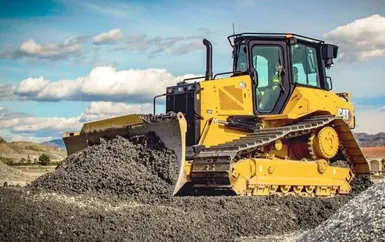
Caterpillar Unveils 3 New Machines at Bauma India 2026
Caterpillar made massive waves at Bauma CONEXPO India 2026 by launching three powerhouse machines en...
