


Every iconic skyline, mega-bridge, and deep-water port starts with a single, crucial moment: driving...
Heavy Equipment Hoses and When It’s Time to Replace Them
Nov 07 2025
By

Hoses are the lifelines that keep heavy construction machinery operations running smoothly. Whether it’s a bulldozer, a Kobelco crawler crane, or a mini excavator, hydraulic and pneumatic hoses are essential components of virtually every system that powers, moves, or controls the machine.
These hydraulic hoses might not always be visible, but they play a central role in maintaining performance, ensuring safety, and reducing downtime. So, understanding how to inspect, maintain, and know when to replace them is essential knowledge for any fleet manager, operator, or heavy equipment owner.
Let’s take a deep dive into how hoses work, what causes them to fail, and when it’s the right time to consider a replacement, alongside a practical example from Kobelco excavators, known for their advanced hydraulic systems.

The Role of Hoses in Heavy Machinery
In heavy equipment, hoses are used primarily in hydraulic systems. These systems use pressurized fluid to power and control a wide range of functions:
- Boom and arm movement in excavators
- Steering and braking in loaders
- Lifting and hoisting in Kobelco crawler cranes
- Engine cooling, transmission fluid routing, and fuel supply
Each of these functions requires a network of high-pressure hoses made from layers of rubber, steel wire, and synthetic materials, designed to handle heat, vibration, and immense force.
Why Hoses Fail: Common Causes
No hose lasts forever. Even the most rugged equipment from a trusted brand dealer or OEM supplier will eventually face wear and tear. While modern heavy construction machinery is engineered for reliability, hoses are among the most vulnerable components due to their exposure to heat, pressure, movement, and the external environment.
1. Abrasions and External Damage
Hydraulic hoses often operate in high-friction zones where they can come into contact with sharp metal edges, moving parts, or abrasive surfaces such as rocks and debris. Even a small amount of rubbing, over hundreds of work hours, can wear down the outer protective cover. Once this layer is compromised, the reinforcing steel braid or fabric becomes exposed, increasing the risk of rupture.
For example, in Kobelco crawler cranes, where hoses run along the boom and slewing system, unprotected lines that brush against the frame or cable guides can develop abrasions within weeks. This is why many OEMs and authorized Kobelco distributors like Al Marwan Machinery include protective sleeves or brackets in their hydraulic routing designs, with extended warranties on the hydraulic system.

2. High Temperatures and Environmental Stress
Extreme heat, cold, and chemical exposure are silent enemies of hydraulic hoses. In hot climates, such as construction zones in the GCC, hoses are subjected to continuous thermal stress. Elevated temperatures accelerate the breakdown of rubber compounds, leading to hardening, cracking, and internal delamination.
In addition, hoses exposed to the sun without UV protection or to hydraulic oils contaminated with solvents or water are even more prone to degradation. Machines like Kobelco mini excavators for sale, commonly used in outdoor landscaping or roadwork, are especially at risk unless fitted with heat-resistant hoses and proper shielding.
3. Pressure Spikes
Hydraulic systems are designed to operate within a specific pressure range. However, rapid changes, known as pressure spikes, can occur when valves open or close suddenly, or when a system transitions from idle to full load. These spikes may briefly double or triple normal pressure, pushing hoses to their limits.
Over time, repetitive surges cause micro-tears in the hose’s internal lining, which may not be visible until a complete failure occurs. In machines with advanced hydraulics, like Kobelco excavators, the precision of hydraulic flow makes pressure stability critical. Any failure here can affect not only the hose but also sensitive components like control valves and cylinders.

4. Improper Routing
A hose’s lifespan can be dramatically shortened by poor installation. Hoses that are bent too tightly, twisted along their length, or routed without enough slack are more likely to fail from internal stress. Movement between fixed points can cause repeated flexing or stretching, weakening the internal structure over time.
This issue is particularly common in aftermarket retrofits or repairs done without consulting OEM guidelines. For example, when replacing hoses in a Kobelco crawler crane, routing that doesn’t follow manufacturer-recommended bend radii can lead to premature fatigue—even if the replacement hose is brand new and high quality.
5. Aging and Fatigue
Even under ideal conditions, all hoses age. Rubber loses elasticity, reinforcing layers begin to separate, and fittings may corrode. After several years in service, hoses become stiff and brittle, making them vulnerable to cracks, leaks, or total failure.
This process accelerates if the machine is left unused for long periods or exposed to harsh weather. Used machines, especially those listed under heavy equipment for sale, should undergo a complete hydraulic inspection before entering new service. At Al Marwan Machinery, all hoses on resale units are checked for signs of aging to ensure safety and reliability.
Signs It’s Time to Replace Heavy Equipment Hoses
While preventive maintenance is always the best approach, certain signs indicate it's time to act immediately:
- Visible Cracks or Bulges: These are urgent red flags. A bulging hose may be just seconds away from a rupture.
- Leaking Fluid: Any leak, even minor one, can mean the hose or its fittings are no longer reliable.
- Stiffness or Brittleness: Hoses should flex easily. If they feel hard or dry, the rubber is aging.
- Abraded Surfaces: If the outer layer is worn down to the reinforcement wire, failure is imminent.
- Performance Loss: Slower cycle times, jerky movements, or pressure drops can indicate internal hose blockages or leaks.
For critical equipment like a Kobelco crawler crane working on a lift or a Kobelco mini excavator for sale prepped for demo use, these symptoms should never be ignored.

The Case for Scheduled Hose Replacement
Many operators wait for visible signs of hose damage before taking action, but this reactive strategy often leads to costly downtime or catastrophic failures. A scheduled excavator maintenance and hose replacement program based on equipment usage hours, environmental conditions, and OEM recommendations can:
- Prevent job site accidents
- Extend the life of other components (pumps, cylinders, fittings)
- Minimize unscheduled repairs
- Reduce oil loss and contamination risks
If your business deals with heavy equipment for sale or heavy equipment rental, keeping hoses in top shape directly impacts machine resale value and customer satisfaction.
A Practical Example: Kobelco Excavators’ Advanced Hydraulic Systems
Kobelco is widely regarded as a pioneer in hydraulic innovation, particularly in its excavator range. The Kobelco distributor network proudly markets features like the iNDr (Integrated Noise and Dust Reduction) system and the Arm Interflow System, which are tightly linked to hydraulic hose performance.
Let’s look at how these systems depend on proper hose health.
Kobelco’s Arm Interflow System
This patented feature found in mid-sized and larger Kobelco excavators reuses oil from the boom’s downward movement to assist the arm’s movement, instead of routing it back to the tank. This dramatically improves fuel efficiency and speed.
However, this closed-loop system relies on:
- Precise oil flow at high pressure
- Minimal leakage tolerance
- Temperature stability
Any deterioration in the hydraulic hoses that carry this fluid could throw the system off balance, increasing fuel consumption and reducing performance. That’s why Kobelco dealer support often includes strict recommendations for hose replacement cycles in these models.

In Mini Excavators
In compact equipment like a Kobelco mini excavator for sale, hydraulic precision is just as important. Tight spaces, smaller diameters, and closer proximity to heat sources mean hoses degrade faster if not properly shielded or maintained.
These mini diggers are often used in utilities, landscaping, or small construction sites, where unexpected downtime due to a burst hose can disrupt entire schedules.
Whether you’re a contractor using the machine or a dealer offering heavy machinery for rent or resale, investing in regular hose inspections is a small step that saves significant costs.

Choosing the Right Replacement Hose: OEM vs Aftermarket
Once it’s time to replace a hose, choosing the right part is just as important as identifying the problem.
OEM Hoses
- Designed specifically for the machine model
- Offer guaranteed pressure ratings and material quality
- Often required to maintain warranty for Kobelco crawler cranes or excavators
- Best sourced from a reputable Kobelco distributor or a trusted heavy machinery dealer like Al Marwan Machinery, in our new spare parts showroom in Sharjah, UAE.
Aftermarket Hoses
May be cheaper but can vary in quality and require careful matching of specs (inner diameter, pressure rating, fluid compatibility)
Learn more about OEMs and aftermarket heavy machinery published in our news section.
FAQ
When should I replace hydraulic hoses in heavy equipment?
A hose must be replaced immediately upon noticing visible cracks, bulges, oil leaks, or if it becomes stiff and brittle. For critical projects relying on a tipper for rent or hydraulic cranes, it is recommended to schedule preventive replacement based on operating hours—typically every 2000 hours—to avoid onsite accidents.
What are the risks of ignoring hydraulic fluid leaks in cranes?
Ignoring leaks leads to decreased lifting efficiency, system overheating, and damage to expensive hydraulic pumps and cylinders. If you are listing a crane for sale, the presence of leaks significantly reduces the machine's market value, indicates poor maintenance, and poses fire and environmental hazards.
Is it better to buy original (OEM) or aftermarket hydraulic hoses?
Original hoses (such as those available through Al Marwan, the authorized Kobelco dealer) are the superior choice because they are specifically engineered to withstand the unique pressure ratings of the machine and ensure warranty continuity. While aftermarket hoses may be cheaper, they often lack the precise fit and heat resistance required for heavy-duty machinery.
LEARN FROM OUR INDUSTRY EXPERTS
Latest news & updates
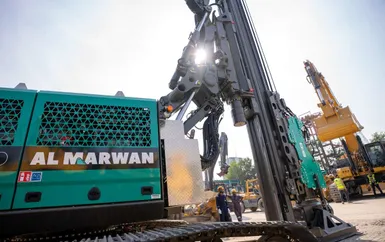
Piling Machine Guide: Top Suppliers and Selection Strategies
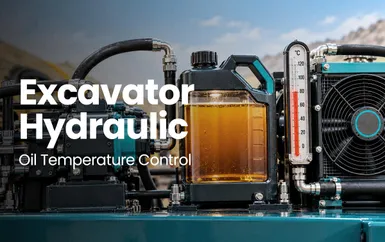
Why Hydraulic Oil Temperature Matters in Excavators
An excavator depends on hydraulic oil and hydraulic hoses to transfer power from its pumps to the bo...
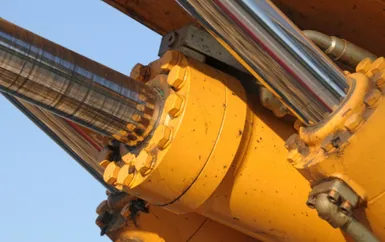
How to Spot Heavy Machinery Fluid Leaks Before They Cause Downtime
A sudden fluid puddle under a digger, loader, or earthmover is an immediate signal that a critical i...
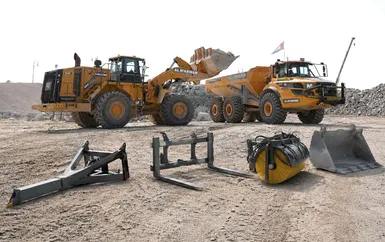
Wheel Loader Attachments That Turn One Machine Into Five
A wheel loader is already one of the most useful machines on any construction site. It loads, carrie...
The Ultimate Guide to Buying an Articulated Dump Truck: Critical Tips
Investing in heavy machinery is one of the most significant capital expenditures a business can make...
