


An excavator depends on hydraulic oil and hydraulic hoses to transfer power from its pumps to the bo...
Saudi Arabia Builds One of the Largest Airports by 2030
Oct 17 2025
By

In an era defined by mega-projects and ambitious national visions, Saudi Arabia is breaking global records once again. As part of its transformative Vision 2030, the Kingdom is building one of the world’s largest airports, King Salman International Airport (KSIA) in Riyadh.
Set to open in 2030, this mammoth development is a redefinition of what air travel, logistics, urban design, and sustainability will look like in the decades to come. And for companies involved in infrastructure, construction, and heavy equipment, this airport is more than a milestone; it’s a market signal of massive opportunity.
What is King Salman International Airport?
A Mega-Hub in the Making
Built over the current King Khalid International Airport, KSIA will expand to cover a mind-blowing 57 square kilometers (approximately 22 square miles)!
It will include:
- 6 parallel runways: Allowing for simultaneous take-offs and landings across multiple flight classes.
- 6 passenger terminals: Accommodating commercial airlines, private aviation, and royal flights.
- 100 to 120 million annual passengers by 2030, scaling up to 185 million by 2050.
- Cargo capacity of 3.5 million tonnes per year by mid-century.
- A central iconic terminal to anchor the airport’s architectural identity.
- Mixed-use zones with hotels, retail spaces, entertainment hubs, and even logistics parks.

Designed by Global Experts
King Salman International Airport is being designed by the world-renowned architecture firm Foster + Partners, with engineering leadership from Jacobs.
The terminal and surrounding structures will feature:
- Solar-powered energy systems
- Integrated green spaces and water features
- Smart mobility corridors for autonomous transport
- A futuristic "Wadi Loop" - an urban valley linking the terminals, designed for efficient foot and vehicle traffic
- Biophilic design with natural lighting, climate adaptation, and comfort-first planning
It’s part airport, part innovation lab, and part luxury experience.
The Role of Vision 2030
KSIA is a direct extension of Vision 2030, the Kingdom’s national transformation strategy aimed at:
- Diversifying the economy beyond oil
- Creating a global logistics hub
- Making Riyadh one of the world’s 10 largest city economies
- Increasing tourism and non-oil revenue sources
With more than US $30 billion invested into this project alone, Saudi Arabia is signaling that the future of transportation, trade, and urban development is being rebuilt from the runway up.

How Does It Compare to Dubai’s Al Maktoum International Airport?
While King Salman International Airport is making global headlines, Dubai has long been home to its own aviation mega-project: Al Maktoum International Airport (DWC), located in the Dubai South district.
Originally opened in 2010 with a focus on cargo, DWC is currently undergoing a massive expansion to become one of the world’s largest airports. Once completed, it is expected to fully replace Dubai International Airport (DXB) as the emirate’s primary aviation hub.
| Feature | King Salman International Airport (KSIA), Riyadh | Al Maktoum International Airport (DWC), Dubai |
| Area | 57 km² | 144 km² (largest planned) |
| Runways | 6 parallel runways | 5 parallel runways |
| Terminals | 6 passenger terminals | 5 terminals planned |
| Passenger Capacity 2030 | 100–120 million | 150 million (first phase) |
| Passenger Capacity (2050) | 185 million | Up to 260 million (full expansion target) |
| Cargo Capacity | 3.5 million tonnes/year | 12 million tonnes/year |
| Investment | ~$30 billion | ~$35 billion |
| Sustainability Focus | Solar, green design, smart mobility | Automated transit system planned |
| Architect/Engineer | Foster + Partners / Jacobs | Dar Al-Handasah, KPF, others |
| Strategic Purpose | Turn Riyadh into global business + tourism hub | Replace DXB and serve as UAE's main gateway |
This competition is great news for the construction industry, and particularly for heavy equipment providers like Al Marwan Machinery.
Implications for Construction & Heavy Machinery
Projects of this scale don’t just appear out of thin air. They require years of:
- Earthmoving machinery and site preparation
- Concrete pouring for terminals, taxiways, and runways
- Steel structure fabrication and installation
- Smart utility infrastructure (fiber optics, solar, smart grid)
- Material handling and logistics support

Where Al Marwan Machinery Comes In
As a trusted heavy machinery supplier and authorized dealer for global OEMs like Kobelco, CIFA, Sinoboom, SOCMA, Dynapac, and more, Al Marwan Machinery is uniquely positioned to support mega-projects like KSIA.
What We Offer:
Brand-new heavy equipment for sale – excavators, bulldozers, cranes, rollers, and more
Rental fleets – Ideal for short- and long-term airport projects
Genuine spare parts & after-sales service – Ensuring your equipment keeps running 24/7
Telematics-enabled machinery – For smarter, data-driven operations
Operator training – Delivered on-site to guarantee productivity and safety
From the early earthworks to final terminal installation, Al Marwan Machinery provides the backbone equipment for every stage of the construction process.
Airport Infrastructure = National Progress
Saudi Arabia's push toward aviation excellence isn't isolated. Similar mega-airport expansions are happening across:
Turkey: Istanbul Airport, already one of the busiest globally
Qatar: Hamad International Airport, recently expanded
China: Beijing Daxing, dubbed the “Starfish” airport
Ready to gear up for mega projects?
Explore our fleet of heavy construction machinery for sale and rent, all backed by Al Marwan’s decades of regional experience and dealer partnerships with industry leaders.
Be the first to know about groundbreaking infrastructure news and heavy machinery industry trends. Subscribe to our newsletter now!
LEARN FROM OUR INDUSTRY EXPERTS
Latest news & updates

Why Hydraulic Oil Temperature Matters in Excavators
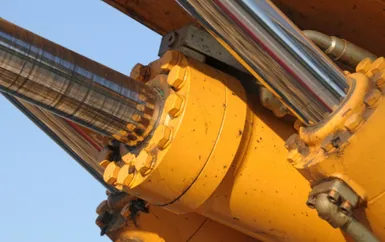
How to Spot Heavy Machinery Fluid Leaks Before They Cause Downtime
A sudden fluid puddle under a digger, loader, or earthmover is an immediate signal that a critical i...
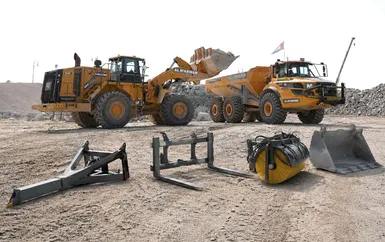
Wheel Loader Attachments That Turn One Machine Into Five
A wheel loader is already one of the most useful machines on any construction site. It loads, carrie...
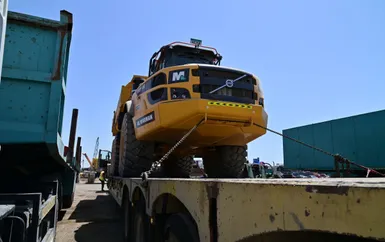
The Ultimate Guide to Buying an Articulated Dump Truck: Critical Tips
Investing in heavy machinery is one of the most significant capital expenditures a business can make...
The Loader Operator’s Blind Spot: Why Visibility Can Make or Break Site Safety
Wheel loaders are among the busiest machines on construction sites. They load trucks, move aggregate...
