


An excavator depends on hydraulic oil and hydraulic hoses to transfer power from its pumps to the bo...
Guide: How Does a Compactor Work?
Sep 06 2026
By

On any road, warehouse yard, parking area, or infrastructure project, the ground you build on matters just as much as the machines you build with. Before asphalt is laid, before concrete is poured, and before a surface is opened for traffic, the soil or asphalt layer underneath must be strong, stable, and properly compacted.
That is where compaction equipment comes in.
A compactor is a machine designed to compress soil, gravel, sand, asphalt, or other construction materials by reducing the air gaps between particles. In simple words, it makes the surface denser, firmer, and more capable of carrying loads without sinking, cracking, or shifting over time.
From a small plate compactor used in tight spaces to a heavy drum roller used in road construction, the working principle is the same: apply force to the ground until the material becomes stable enough for the next construction stage.

What Is Compaction in Construction?
Compaction is the process of increasing the density of a material by pushing its particles closer together. In construction, this is mainly done to improve the strength of soil, sub-base layers, and asphalt surfaces.
Loose soil contains air pockets. If these pockets are not removed, the ground may settle later under the weight of buildings, vehicles, or heavy equipment. This can lead to cracks, uneven roads, potholes, or structural problems.
A compactor helps prevent these issues by applying pressure, vibration, kneading, or impact to the material. The result is a stronger and more stable layer that can support roads, foundations, utilities, and other construction works.
How Does a Compactor Work?
A compactor works by transferring force into the ground. This force can come from the machine’s weight, vibration system, drum movement, or a combination of these elements.

Here is how the process works step by step:
1. The Machine Applies Static Weight
Every compactor has its own operating weight. When the machine moves over the ground, its weight presses down on the material. This is called static compaction.
For example, a heavy road roller or drum roller uses its steel drum to apply direct pressure on the surface. The heavier the machine, the deeper and stronger the compaction effect can be, depending on the material type.
Static weight is especially important when compacting asphalt or finishing upper layers where surface smoothness is required.
2. Vibration Rearranges the Particles
Many modern compactors are vibratory machines. Inside the drum or plate, rotating eccentric weights create vibration. These rapid vibrations travel into the ground and shake the particles into a tighter arrangement.
This is especially useful for granular materials such as sand, gravel, crushed stone, and road base materials. Instead of only pressing from above, vibration helps particles move into the empty spaces between them.
That is why vibratory compactors can often achieve better density in fewer passes compared to static machines.
3. The Drum or Plate Transfers Energy to the Surface
Different compactors transfer energy in different ways.
A drum roller uses one or two large steel cylinders to roll over the surface. A plate compactor uses a vibrating base plate. A trench roller uses compact drums designed to work inside narrow trenches. A pneumatic tire roller uses rubber tires to knead asphalt and improve surface sealing.
Each design is made for a specific type of job, material, and working area.
4. Multiple Passes Build the Required Density
Compaction is rarely completed in one pass. Operators usually drive the machine over the same area several times in a planned pattern. Each pass increases the density until the required compaction level is achieved.
The number of passes depends on several factors, including:
- Material type
- Moisture content
- Layer thickness
- Machine weight
- Vibration frequency and amplitude
- Site conditions
- Required project specification
Too few passes can leave the ground weak. Too many passes can sometimes damage the material, especially asphalt. That is why skilled operation and the right machine selection are essential.

Why Moisture Content Matters
Water plays a major role in compaction. If the soil is too dry, particles may not bind properly. If it is too wet, the material can become soft, unstable, or difficult to compact.
The best result is achieved when the material has the right moisture content. This allows particles to move, settle, and lock together under pressure.
On site, contractors often test the soil before compaction. In road construction, density testing may also be carried out after compaction to confirm that the layer meets project requirements.
Main Types of Compactors and How They Work
Not all compactors work the same way. The right choice depends on the material, working area, and stage of the project.
A single drum roller is commonly used for soil, gravel, and sub-base compaction. Its front drum applies weight and vibration to compact deeper layers, making it ideal for road construction, embankments, and large earthmoving works.
A double drum roller, also known as a tandem roller, has steel drums at both the front and rear. It is mainly used for asphalt compaction after pavers lay the asphalt layer, helping create a smooth, dense, and even road surface.
A pneumatic tire roller uses rubber tires to apply a kneading action on asphalt. This helps close surface gaps, improve bonding, and create a more durable finish.
For smaller or tighter areas, a plate compactor is used to compact soil, sand, gravel, paving blocks, and repair patches. Meanwhile, a trench roller is designed for narrow spaces such as pipeline works, utility trenches, and backfilling jobs where larger rollers cannot operate.
For further information on the types of compactors and where each one is used, read our previous blog on compactor types.

Compactors and Rollers Available from Al Marwan Machinery
Al Marwan Machinery offers a strong range of compactors and rollers for road construction, infrastructure, utility works, and general site preparation across the UAE.
As an authorized distributor of Dynapac and Dynapac Redline in the UAE, Al Marwan supplies heavy compaction and paving equipment designed for demanding regional applications. The available range includes models for soil compaction, asphalt finishing, trench work, and paving support.
Some of the Dynapac compactors and rollers available for sale through Al Marwan Machinery include:
Dynapac CA30D Single Drum Vibratory Roller
The Dynapac CA30D is built for soil compaction and medium-to-large roadwork projects. With its heavy drum, vibration system, and robust design, it is suitable for compacting road base, gravel, and earthwork layers.
It is a practical choice for contractors who need reliable compaction performance on infrastructure and road projects.

Dynapac Redline DRS120D Single Drum Roller
The Dynapac Redline DRS120D is another strong option for soil and sub-base compaction. It is designed for demanding site conditions and supports efficient compaction across road construction and civil engineering projects.
For companies searching for construction equipment UAE solutions, this type of machine supports productivity in both new road development and large-scale site preparation.
Dynapac Redline DRT140 Pneumatic Tire Roller
The Dynapac Redline DRT140 is designed for asphalt compaction and finishing. Its pneumatic tires help deliver uniform pressure and kneading action, making it ideal for achieving a dense and durable asphalt surface.
This makes it a valuable machine to work alongside asphalt pavers during road construction and maintenance projects.

Dynapac D.ONE Diesel Trench Roller
The Dynapac D.ONE diesel trench roller is designed for compacting trenches and confined areas. Its compact size and powerful vibration make it suitable for pipeline backfilling, utility works, and narrow construction zones.
It helps contractors achieve proper compaction in areas where larger rollers cannot safely or effectively operate.
Dynapac DRP60D and DRP70D Diesel Plate Compactors
The Dynapac DRP60D and DRP70D diesel plate compactors are useful for smaller-scale compaction jobs, repair works, and restricted areas. These machines are practical for compacting soil, paving blocks, trenches, and patching works.
They are especially useful for contractors who need flexible machines that can move easily between different jobsite tasks.
Where Are Compactors and Drum Rollers Used?
Compactors are used across many construction and infrastructure applications. They are essential in:
- Road construction
- Asphalt paving
- Parking areas
- Industrial yards
- Building foundations
- Utility trenches
- Pipeline backfilling
- Airport and port works
- Landscaping and paving block installation
- Road repair and maintenance
Whether the project involves a full-size road roller, a compact plate compactor, or a pneumatic tire roller working behind pavers, the goal remains the same: create a dense, stable, and long-lasting surface.
For further information on compaction equipment applications and where each machine is commonly used, read our previous blog.

Why Compaction Quality Matters
Good compaction is not only about making the ground look flat. It affects the long-term performance of the entire project.
Proper compaction helps:
- Reduce future settlement
- Improve load-bearing capacity
- Prevent pavement cracks
- Extend road service life
- Improve asphalt durability
- Support safer traffic movement
- Reduce maintenance costs
In road construction, poor compaction can lead to early pavement failure. In foundation work, it can cause uneven settlement. In trench backfilling, it can lead to surface collapse or weak reinstatement.
This is why compactors are considered essential machines in construction equipment UAE fleets, especially for contractors working in road, infrastructure, and civil engineering projects.
Al Marwan Machinery: Your Partner for Compaction Equipment in the UAE
Al Marwan Machinery provides a wide range of road rollers, single drum roller models, double drum rollers, plate compactors, trench rollers, pneumatic rollers, and related paving equipment for sale and rent.
With access to trusted brands such as Dynapac Redline, Al Marwan supports contractors with machines built for regional jobsite conditions, backed by technical support, machinery parts, and after-sales service.
Whether you are looking for construction heavy equipment for sale, road rollers for asphalt works, compactors for soil preparation, pavers for road projects, or used machinery for sale, Al Marwan Machinery offers solutions that help keep your project moving from ground preparation to final surface finishing.

FAQ: How Does a Compactor Work?
1. What does a compactor do?
A compactor compresses soil, gravel, asphalt, or other materials by applying weight, vibration, impact, or kneading action. This reduces air gaps and increases material density, making the surface stronger and more stable.
2. What is the difference between a compactor and a road roller?
A road roller is a type of compactor. The term “compactor” covers many machines, including plate compactors, trench rollers, pneumatic rollers, and drum rollers. A road roller usually refers to larger rollers used in road construction and asphalt works.
3. How does a vibratory drum roller work?
A vibratory drum roller uses rotating eccentric weights inside the drum to create vibration. This vibration moves through the ground and helps particles settle closer together, improving compaction depth and density.
4. Which compactor is best for asphalt?
For asphalt, double drum rollers and pneumatic tire rollers are commonly used. Double drum rollers provide smooth and even compaction, while pneumatic tire rollers provide kneading action that improves asphalt density and surface sealing.
5. Which compactor is best for soil?
Single drum vibratory rollers are commonly used for soil, gravel, and road base compaction. They are suitable for deeper layers and larger earthwork areas.
LEARN FROM OUR INDUSTRY EXPERTS
Latest news & updates
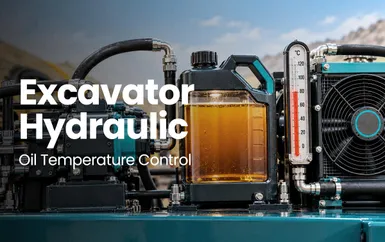
Why Hydraulic Oil Temperature Matters in Excavators
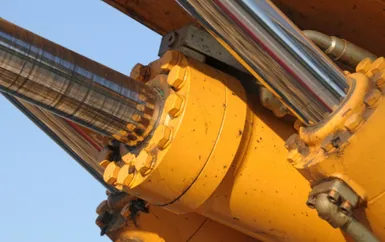
How to Spot Heavy Machinery Fluid Leaks Before They Cause Downtime
A sudden fluid puddle under a digger, loader, or earthmover is an immediate signal that a critical i...
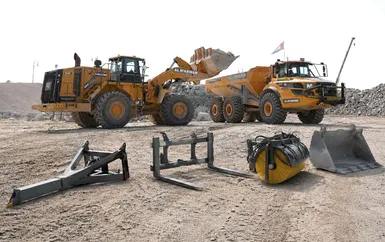
Wheel Loader Attachments That Turn One Machine Into Five
A wheel loader is already one of the most useful machines on any construction site. It loads, carrie...
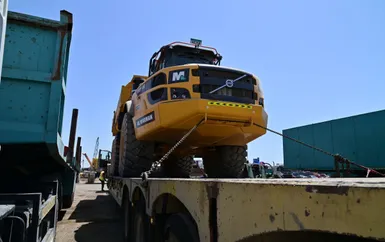
The Ultimate Guide to Buying an Articulated Dump Truck: Critical Tips
Investing in heavy machinery is one of the most significant capital expenditures a business can make...
The Loader Operator’s Blind Spot: Why Visibility Can Make or Break Site Safety
Wheel loaders are among the busiest machines on construction sites. They load trucks, move aggregate...
