


A sudden fluid puddle under a digger, loader, or earthmover is an immediate signal that a critical i...
How to Operate a Wheel Loader: A Step-by-Step Beginner’s Guide
Aug 07 2026
By

In the fast-paced world of construction and logistics, the wheel loader is the heartbeat of the job site. Whether you are moving rock piles in a mine or transferring materials in a warehouse, mastering this machine is essential for productivity.
At Al Marwan Heavy Machinery, we understand that finding a high-performance wheel loader for sale or finding the right wheel loader for rent is only half the equation—the machine is only as good as the person behind the controls. This guide provides a step-by-step breakdown of how to operate a loader with professional precision.
The Importance of Pre-Operation Preparation
Safety and efficiency begin long before you turn the key. A comprehensive checkup of your machinery is required to eliminate potential hazards and ensure a smooth workday, regardless of whether you own the equipment or sourced a wheel loader for rent.
You can read more about Wheel Loader Operator Safety in our previous article
As leading heavy equipment suppliers, Al Marwan recommends a strict daily inspection routine. Operators should focus on the following key areas before starting the engine:
- Exterior Inspection: Check for any visible oil leaks, collisions, or structural deformations.
- Tire Health: Verify that tire pressure is sufficient and check for uniform wear or loose hub bolts.
- Fluid Levels: Ensure engine oil, hydraulic fluid, and fuel levels are adequate for the shift.
- Workspace Scan: Inspect the work area for potholes, hidden pipelines, or nearby personnel to avoid accidents.
You can read more about Wheel Loader Fluids You Must Check Regularly in our previous article

Workspace Scan: Inspect the work area for potholes, hidden pipelines, or nearby personnel to avoid accidents.
Entering the Machine and Adjusting Your Position
Proper ergonomics is not just about comfort; it is about control. When entering the cab, always maintain three-point contact by gripping handrails and stepping firmly on the pedals.

Once inside, adjust the seat so your feet can naturally reach the pedals with even force. Align the mirrors to eliminate blind spots, ensuring you have a clear 360-degree view of the site.
Starting and Controlling the Engine
To start the loader, rotate the key to the "ON" position and wait 3–5 seconds for the instrument panel to self-check. Once the engine starts, let it idle for 3–5 minutes.

This warming-up period allows the hydraulic oil and engine water temperature to reach optimal operating ranges. At Al Marwan, we advise never skipping this step, as it protects internal components from premature wear, ensuring every modern wheel loader for sale maintains peak performance.
Mastering the Bucket Controls
Standard loaders typically feature a control lever with four basic positions: Lift, Lower, Curl, and Dump. Some advanced models may also include a "Float" position for grading tasks.
To lift the bucket, maintain an engine speed between 1500–2000 RPM and push the lever slowly. Avoid sudden movements, as jerky actions can cause the machine to shake and lead to material spillage.
You can read more about Choosing the Right Bucket for Your Wheel Loader in our previous article.
Standardized Loading and Digging Techniques
When approaching a material pile, lower the bucket until the teeth nearly touch the ground. Drive forward slowly and align the bucket’s centerline with the loading point for maximum stability.
Penetrate the Pile: Drive forward gradually while pulling the lever to "Curl" to fill the bucket.
Manage Resistance: If the pile is hard, slightly increase engine speed rather than forcing the machine.
Lift and Carry: Once full, lift the bucket 50–80 cm off the ground to avoid dragging during transport.
Safe Driving with a Loaded Bucket
Driving a loaded machine requires a steady hand. Maintain a stable speed and adjust for the terrain, slowing down significantly when turning or moving through rough ground.

Avoid sudden braking, which can cause the center of gravity to shift and lead to a rollover. If you encounter other vehicles, always sound the horn and maintain a safe distance to ensure site-wide safety.
Dumping and Post-Operation Shutdown
Before dumping, ensure the site is level and stable. For truck loading, lift the bucket 10–20 cm above the truck bed and unload gradually from front to rear for even weight distribution.
Once the task is finished, park on level ground away from slopes or edges. Lower the bucket until it is flat on the ground and engage the parking brake immediately.

Let the engine idle for another 3–5 minutes before shutting down. This allows high-temperature parts, like the turbocharger, to cool down properly, extending the lifespan of your heavy machinery.
Mastering the Loader Arm’s Leverage
The loader arm is the muscle of the machine, but it’s not indestructible. One of the biggest mistakes is "side-loading" the arms—trying to push or pull material from the side rather than head-on.

Always keep the loader arm aligned straight with the chassis when digging. This ensures the force is distributed evenly through the lift cylinders and frame, preventing the pins from twisting or the boom from developing structural cracks over time.
Why Choose Al Marwan for Your Fleet?
Whether you need a reliable wheel loader for rent for short-term projects or are looking for a brand-new wheel loader for sale to expand your fleet, Al Marwan offers a wide range of top-tier machinery and expert maintenance support.
As one of the region's top heavy equipment suppliers, we provide machines that are telematics-ready and operator-friendly. Our goal is to help you build a safer, more productive work site with every project.
Frequently Asked Questions (FAQ)
Where can I find a high-quality wheel loader for rent or sale?
Al Marwan Machinery provides an extensive inventory, whether you need a wheel loader for rent for seasonal work or a certified wheel loader for sale to own permanently.
Is it difficult to learn how to operate a loader?
While it requires focus, loader operation is intuitive. Most novice operators can master basic skills within 15 to 30 days of systematic training and hands-on practice.
What is the "Float" position on a loader?
The float position allows the bucket to follow the contours of the ground without downward pressure. It is primarily used for grading and smoothing surfaces.
How high should the bucket be when driving?
For maximum stability and visibility, the bucket should be kept approximately 50 to 80 cm off the ground when traveling with a load.
Why does Al Marwan emphasize idling before shutdown?
Idling allows the engine components to cool down evenly. This prevents carbon buildup and protects the turbocharger, ensuring your equipment stays in peak condition for longer.
LEARN FROM OUR INDUSTRY EXPERTS
Latest news & updates
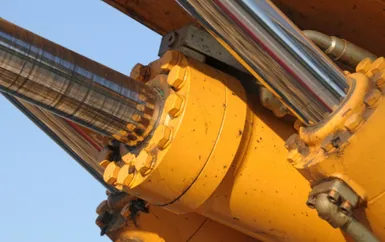
How to Spot Heavy Machinery Fluid Leaks Before They Cause Downtime
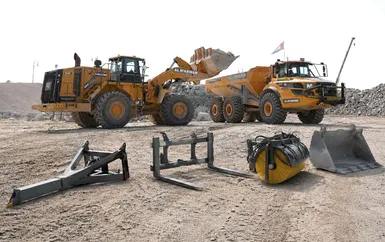
Wheel Loader Attachments That Turn One Machine Into Five
A wheel loader is already one of the most useful machines on any construction site. It loads, carrie...
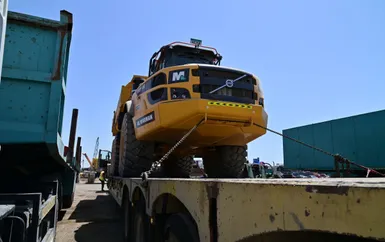
The Ultimate Guide to Buying an Articulated Dump Truck: Critical Tips
Investing in heavy machinery is one of the most significant capital expenditures a business can make...

The Loader Operator’s Blind Spot: Why Visibility Can Make or Break Site Safety
Wheel loaders are among the busiest machines on construction sites. They load trucks, move aggregate...
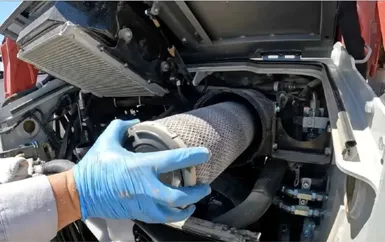
The Strategic Guide to Air Filtration: Protecting Your Heavy Machinery
Maintaining high-performance heavy machinery for sale requires a strategy that goes beyond simple o...
