


An excavator depends on hydraulic oil and hydraulic hoses to transfer power from its pumps to the bo...
Why Your Engine’s Temperature Gauge is the Ultimate Protector
Sep 25 2026
By

In the heavy construction industry, heat is both a necessity and a silent predator. While engines require warmth to operate efficiently, excessive thermal energy is the primary cause of sudden mechanical failure—a reality the team at Al Marwan Heavy Machinery sees play out all too often when a single overlooked warning leads to total engine seizure.
Maintaining a steady operating temperature is the key to maximizing the lifespan of your Kobelco excavator. Understanding the why and how of heat monitoring can save your business from the crushing costs of emergency repairs and unplanned downtime.
The Science of Heavy-Duty Cooling
Every heavy-duty engine is designed to operate within a specific, narrow thermal window. When the engine is too cold, fuel combustion is incomplete; when it is too hot, the metal components begin to lose their structural integrity.

A reliable gauge allows the operator to see exactly where the machine stands within that window in real-time. It acts as the heartbeat monitor for the cooling system, tracking the performance of the radiator, water pump, and coolant flow.
For a road roller, like the Dynapac Redline DRS120D Single Drum Roller with an engine output of 104 Hp, working under the intense midday sun, the cooling system is under constant pressure. Without a functional gauge, an operator has no way of knowing if the system is about to reach its thermal breaking point.
How Precision Gauges Prevent Catastrophe
When an engine begins to overheat, the physical properties of the engine oil change rapidly and dangerously. The oil thins out, losing its ability to provide a protective lubricant film between high-speed moving parts like pistons and bearings.
By keeping a close eye on the Al Marwan-provided gauges, operators can catch a temperature spike before the oil breaks down. This early detection is often the difference between a simple thermostat swap and an engine replacement.
Furthermore, consistent monitoring helps identify "slow-burning" problems. A gauge that runs slightly higher each week may indicate a clogged radiator or a leaking head gasket that requires immediate professional attention before it fails.
Electronic vs. Mechanical: Choosing the Right Parts
The type of monitoring system in your fleet depends largely on the age and technology of your machines. Modern equipment, like the Kobelco excavator, typically uses digital sensors linked directly to a central computer.

These electronic sensors are highly precise and can trigger automatic safety shutdowns if the heat exceeds safe levels. This takes the guesswork out of the operator's hands and adds an extra layer of protection for the fleet owner.
In contrast, many older machines, like the Tadano Faun ATF 80-4 Mobile Crane, utilize mechanical gauges that use a physical fluid-filled tube to move the needle. These are exceptionally durable and reliable, often functioning perfectly even when the machine’s electrical system experiences a total failure.

Recognizing the Symptoms of Gauge Failure
A gauge that provides false information is often more dangerous than a gauge that doesn't work at all. If your display indicates the engine is cool while it is actually boiling, the damage will be silent and swift.

Watch for these specific signs of failure in your road roller or excavator dashboard:
- The Dead Needle: The gauge remains at the lowest point even after hours of heavy operation.
- The Instant Hot: The needle shoots to the red zone immediately upon starting a cold engine.
- Erratic Fluctuations: The temperature reading jumps up and down rapidly without any change in the machine's workload.
- Physical Leaks: For mechanical gauges, any moisture behind the glass or near the sensor bulb indicates a seal failure in the capillary tube.
The Al Marwan Standard for Spare Parts
Quality is the ultimate safeguard for engine survival. Sourcing replacement components through our flagship Sharjah showroom guarantees access to industrial-grade sensors built to handle extreme thermal stress and heavy vibration.
Our dedicated machinery parts specialists in Sharjah ensure your Kobelco excavator remains equipped with components that meet or exceed original OEM specifications. Investing in a quick visit to our showroom for a precision gauge today prevents the devastating downtime of a full engine overhaul tomorrow.
Read more about machinery repair in our previous blog.
A Comprehensive Maintenance Checklist
To keep your cooling system and monitoring tools in peak condition, our technical team recommends the following four-step routine:
Inspect the Sensor Housing: Check the area where the sensor meets the engine block for signs of "scaling" or corrosion that could interfere with heat transfer.
Test the Wiring: Ensure that the electrical leads to your road roller sensors are tight and free from grease buildup, which can cause resistance and false readings.

Calibrate Annually: Use a professional-grade thermal gun to verify that the dashboard reading matches the actual temperature of the coolant pipes.
Clean the Airflow: A dirty radiator forces the engine to run hotter, which shortens the lifespan of your sensors and gauges through constant heat stress.
Real-World Impact: Case Study from the Al Taawun Project, Sharjah
The cost of sensor failure isn't theoretical—it produces real, cascading project delays. Consider an 80-ton Kobelco SK850LC Long Boom Excavator deployed for deep foundation work and heavy earthmoving at a high-density development project in Al Taawun, Sharjah.
Hypothetically, when a sub-standard aftermarket temperature sensor failed on-site, it sent false overheat signals to the 500 HP engine’s Control Unit (ECU). The ECU automatically triggered safety protocols, forcing the massive excavator into "Limp Mode" and cutting engine power by 50% to prevent thermal damage—even though actual coolant temperatures were well within safe limits.
Small Part, Big Impact
The temperature gauge may be one of the smallest components in your machine's cab, but its importance cannot be overstated. It is the voice of the engine, telling the operator when to push harder and when to take a break.
From supplying high-precision sensors to delivering end-to-end fleet maintenance services, Al Marwan Heavy Machinery has you covered. Don't wait for engine warning lights or sudden smoke to stall your job site—partner with our technical maintenance team today to inspect your gauges, protect your engines, and keep your heavy equipment operating at peak productivity.
Frequently Asked Questions (FAQ)
Why is my temperature gauge reading high but the engine feels cool?
This is often caused by a grounding issue in the electrical circuit or a failed sensor sending a full signal. However, don't assume it is a false reading until a technician verifies it with an external thermometer.
Does Al Marwan provide gauges for older machinery models?
Yes, we stock a wide variety of both electronic and mechanical gauges and sensors. You can search our inventory by part number or category to find the exact match for your road roller or excavator.
Can a faulty thermostat affect my gauge reading?
A stuck thermostat will cause actual overheating, which your gauge should accurately report. If the thermostat is stuck open, your gauge will show the engine is running too cold, which leads to poor fuel efficiency and carbon buildup.
Is it difficult to replace a temperature sensor on a Kobelco excavator?
The physical replacement is usually straightforward, but accessing the sensor can sometimes be difficult in tight engine bays. We recommend having a qualified mechanic perform the swap to ensure a leak-proof seal and proper calibration.
How can I tell if my gauge is mechanical or electronic?
Mechanical gauges usually have a thick, stiff cable (capillary tube) running from the back of the dial to the engine. Electronic gauges use thin copper wires and are connected to a plug or wiring harness.
LEARN FROM OUR INDUSTRY EXPERTS
Latest news & updates

Why Hydraulic Oil Temperature Matters in Excavators
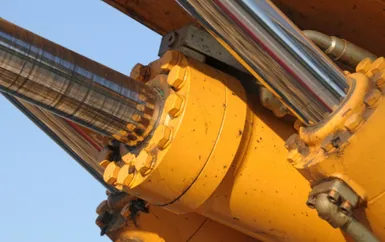
How to Spot Heavy Machinery Fluid Leaks Before They Cause Downtime
A sudden fluid puddle under a digger, loader, or earthmover is an immediate signal that a critical i...
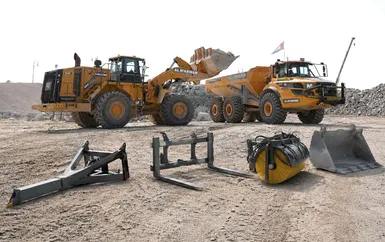
Wheel Loader Attachments That Turn One Machine Into Five
A wheel loader is already one of the most useful machines on any construction site. It loads, carrie...
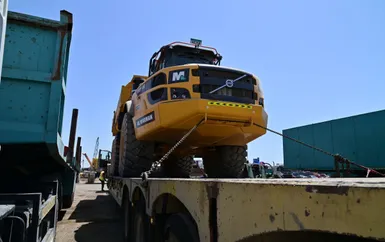
The Ultimate Guide to Buying an Articulated Dump Truck: Critical Tips
Investing in heavy machinery is one of the most significant capital expenditures a business can make...

The Loader Operator’s Blind Spot: Why Visibility Can Make or Break Site Safety
Wheel loaders are among the busiest machines on construction sites. They load trucks, move aggregate...
