


An excavator depends on hydraulic oil and hydraulic hoses to transfer power from its pumps to the bo...
The Excavator Guide: Answers to the 4 Most Common Questions
Dec 30 2025
By

Excavators remain the backbone of modern construction, infrastructure development, and heavy-duty earthmoving. Whether a contractor is looking for an excavator for rent for a short-term project or evaluating an excavator for sale for long-term fleet expansion, understanding how these machines operate is essential.
At Al Marwan Heavy Machinery, we receive frequent questions about excavator types, uses, and optimal applications—especially from companies trying to refine their fleet strategy. This guide answers the four most commonly asked questions about excavators, offering a clear and technical perspective for professionals who rely on precision, reliability, and efficiency.
1. What Exactly Is an Excavator?
An excavator is a powerful piece of earthmoving equipment designed for digging, lifting, demolition, and material handling. It consists of three essential components: the undercarriage, the house, and the boom–stick–bucket assembly. These components combine to deliver controlled, high-force excavation.
Modern excavators rely on hydraulic systems that provide smooth, precise movements. This hydraulic performance enables the machine to dig through tough materials, load debris, manage attachments, and move efficiently across different terrains. Whether a contractor chooses an excavator for rent or invests in an excavator for sale, the machine’s versatility remains one of its key advantages.
Excavators come in a wide range of sizes—mini, standard, and large—each designed for specific functions suited to the demands of various job sites. This range allows project managers to optimize productivity and fuel efficiency.
2. What Are the Main Excavator Types?
Understanding excavator types is essential to selecting the right machine. Using the wrong type can lead to fuel waste, operational delays, or safety risks. The following are the primary categories used in modern construction.
Standard Crawler Excavators
These models run on steel tracks, offering stability and traction on rocky or muddy surfaces. They serve as the most widely used excavator category and are a common choice among contractors considering an excavator for sale because of their durability and long-term performance.

Wheeled Excavators
Wheeled excavators use rubber tires, allowing rapid movement between locations. They are ideal for urban sites, road construction, and tasks requiring quick mobility without the need for trailers.

Mini and Compact Excavators
Mini excavators offer high maneuverability in tight or confined spaces. They are frequently chosen by contractors looking for a compact excavator for rent when working in residential areas or small-scale utility projects.

Long-Reach Excavators
These units feature extended booms and arms designed for dredging, deep trenching, canal work, and applications where a greater horizontal or vertical reach is required.

3. What Jobs Can an Excavator Do?
Although excavators are best known for digging, their capabilities extend far beyond earthmoving. Equipped with hydraulic attachments, they adapt to a wide variety of job site tasks.
Earthmoving and Trenching
Excavators excel at digging foundations, trenches, and basements. Their hydraulic strength ensures dependable performance even in dense or rocky ground.
Material Handling
With specialized attachments such as grapples or clamshell buckets, excavators efficiently load debris, move construction materials, and support recycling operations.
Demolition
An excavator fitted with hydraulic breakers, pulverizers, or crushers becomes a high-force demolition tool. High-reach models expand these capabilities, enabling safe dismantling of tall structures.
Roadwork and Utility Applications
For civil and municipal projects, excavators support pipeline installation, grading, ditch maintenance, cable laying, and compaction with the proper attachments.
Mining and Quarry Operations
Heavy-duty excavators operate in high-production environments, managing rock removal and bulk material loading.

Specialized Operations
With the right configuration, excavators handle forestry, dredging, snow removal, slope shaping, and a variety of precision applications.
This versatility explains why many contractors prefer owning an excavator, opting for an excavator for sale rather than renting repeatedly.
4. How Do I Choose the Right Excavator?
Choosing the correct excavator requires analyzing site needs, load expectations, and hydraulic attachment requirements. Several major factors guide the selection process.
Assess the Work Environment
Track excavators perform best on uneven, muddy, or sloped surfaces. Wheeled excavators are better suited for paved environments where mobility is crucial.
Determine the Required Digging Depth and Reach
Every excavator size category has different reach and depth capabilities. Choosing the correct size is essential to avoid overworking the machine or consuming unnecessary fuel.
Attachment Compatibility
Hydraulic attachments must match the excavator’s flow rate and operating pressure. Compatibility ensures safe and efficient use of breakers, augers, grabs, crushers, and tiltrotators.

Evaluate Operating Weight and Stability
Heavier machines provide superior stability, particularly during heavy lifting or deep excavation. Lift charts should always be reviewed to ensure operational safety.
Consider Engine Power and Fuel Efficiency
Power influences cycle times and digging capability. For contractors purchasing an excavator for sale, long-term fuel consumption plays a significant role in cost savings.
Short-Term vs Long-Term Needs
An excavator for rent is ideal for short-term, seasonal, or specialized jobs. Purchasing an excavator for sale is more appropriate for contractors with ongoing workloads and long-term utilization needs.
Al Marwan supports both rental and purchase clients, assisting them in choosing machines suited to their technical and operational requirements.
Excavator Maintenance and Best Practices
Long-term excavator performance depends on preventive maintenance and operator awareness. Modern machines include sensors and telematics, but essential maintenance principles remain unchanged.
Daily Machine Checks
Operators should inspect fluid levels, hydraulic hoses, track tension, structural joints, and bucket wear. Addressing minor issues early reduces downtime.
Hydraulic System Care
Clean hydraulic fluid, properly maintained pumps, and strong seals are essential to maintaining digging power and attachment performance.
Undercarriage Maintenance
The undercarriage experiences constant wear and must be cleaned and checked consistently to avoid costly repairs.
Attachment Management
Attachments should be inspected for wear, lubrication needs, and hydraulic compatibility. Proper care preserves performance and safety.
You can read more about excavator maintenance and pre-operation checks in our previous article

Why Contractors Choose Al Marwan for Excavators
Al Marwan Heavy Machinery offers one of the region’s most comprehensive fleets of excavators for rent and reliable excavators for sale options. Our equipment is sourced from trusted global brands and maintained with rigorous quality standards.
Contractors rely on Al Marwan because we provide reliable machines, technical guidance based on site analysis, adaptable rental solutions, and competitive purchase options. Our mission is to ensure every client receives equipment aligned with both project demands and operational safety standards.
FAQ – Excavators
What size excavator is best for my project?
The ideal excavator depends on digging depth, lifting needs, and space constraints. Mini excavators fit tight areas, while crawler models serve heavy-duty digging.
Is renting or buying an excavator better?
Choose an excavator for rent for short-term or specialized projects. For continuous operations, buying an excavator for sale provides stronger long-term value.
How long does an excavator last?
With proper maintenance, most excavators operate between 8,000 and 15,000 hours.
Which attachments can an excavator use?
Common attachments include buckets, breakers, grapples, shears, augers, and tiltrotators, depending on hydraulic compatibility.
Does terrain affect performance?
Yes. Track excavators are ideal for uneven or muddy terrain, while wheeled excavators are suited for paved surfaces and urban operations.
About Al Marwan Machinery
Leading heavy machinery provider in the GCC since 1978. Your one-stop shop for sales, rentals (3000+ machines), and pre-owned equipment from top brands (Kobelco, Caterpillar, Volvo, Komatsu & more). We are the GCC Rental Company of the Year (2023, 2024, and 2025), empowering projects across the UAE, KSA, and Oman.
LEARN FROM OUR INDUSTRY EXPERTS
Latest news & updates
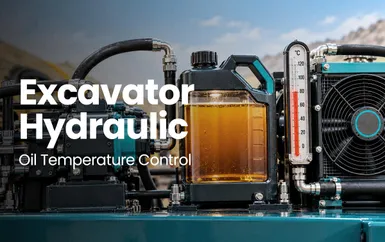
Why Hydraulic Oil Temperature Matters in Excavators
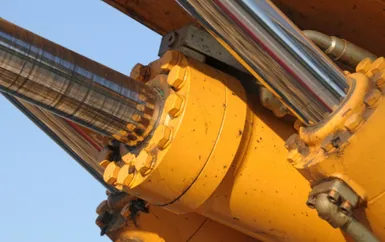
How to Spot Heavy Machinery Fluid Leaks Before They Cause Downtime
A sudden fluid puddle under a digger, loader, or earthmover is an immediate signal that a critical i...
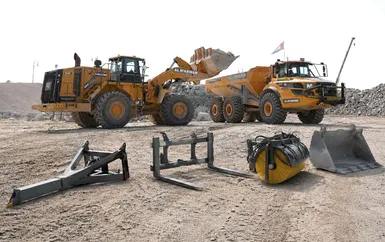
Wheel Loader Attachments That Turn One Machine Into Five
A wheel loader is already one of the most useful machines on any construction site. It loads, carrie...
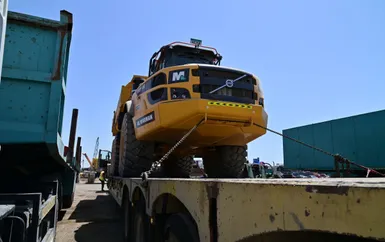
The Ultimate Guide to Buying an Articulated Dump Truck: Critical Tips
Investing in heavy machinery is one of the most significant capital expenditures a business can make...

The Loader Operator’s Blind Spot: Why Visibility Can Make or Break Site Safety
Wheel loaders are among the busiest machines on construction sites. They load trucks, move aggregate...
