


Maintaining high-performance heavy machinery for sale requires a strategy that goes beyond simple o...
The Strategic Guide to Air Filtration: Protecting Your Heavy Machinery
Oct 13 2026
By

Maintaining high-performance heavy machinery for sale requires a strategy that goes beyond simple oil changes and grease points. One of the most critical, yet frequently misunderstood, aspects of equipment longevity is air filtration.
Providing world-class machinery is only half the battle; the other half is ensuring clients have the knowledge to protect those assets. Operating infrastructure and industrial projects in demanding construction environments like the GCC presents unique challenges that require reliable heavy equipment and a sophisticated, data-driven approach to air intake systems.
Dust, sand, and fine particulates are the natural enemies of internal combustion engines. A single lapse in your filtration strategy can lead to catastrophic engine failure, turning a productive asset into a costly liability.
The Science of Clean Air: Why It Matters
Your engine is essentially a giant air pump. For every gallon of fuel burned, a modern diesel engine requires nearly 10,000 gallons of air to function correctly.
This air must be purified to an extreme degree before it reaches the combustion chamber. When you look at heavy machinery for sale, you aren't just buying steel and hydraulics; you are buying an engine designed with microscopic tolerances.

If even a small amount of dust enters the system, it acts as an abrasive. This leads to what mechanics call dusting, where the internal components are essentially sanded down from the inside out over time.
By prioritizing high-quality machinery parts, specifically air filters, you create a barrier that ensures only pure oxygen reaches your engine. This results in better combustion, lower emissions, and a significantly longer engine life cycle for your fleet.
1. Efficiency vs. Capacity: Choosing the Right Machinery Parts
When sourcing machinery parts, many fleet managers focus solely on the initial price tag. However, a strategic approach requires understanding the technical difference between filter efficiency and filter capacity.

These two metrics determine how well a filter protects your engine and how long it lasts. Filter Efficiency refers to the percentage of contaminants the filter can trap before they enter the intake. Filter Capacity, on the other hand, is the amount of debris the filter can hold before airflow becomes restricted. A filter with a higher capacity allows you to run your machines longer between service intervals
2. The Hidden Risks of Over-Servicing
One of the most common mistakes in the industry is changing air filters too frequently. It seems counterintuitive—wouldn't a new filter always be better for the machine?

The answer is often no. Air filters actually become more efficient as they get slightly dirty during their initial use. As a "dust cake" builds up on the surface of the filter media, it creates an even finer mesh that traps even smaller particles. This is the period when your engine receives the cleanest air possible.
Furthermore, every time a technician opens the air cleaner housing, there is a risk of accidental dusting. Dirt can fall from the housing into the clean-air side of the intake system.
3. Data-Driven Maintenance: Restriction Indicators
How do you know when to change a filter if you aren't using a calendar? The answer lies in restriction indicators, which measure the pressure drop across the filter.
As a filter fills with dirt, it becomes harder for the engine to pull air through it. The indicator measures this vacuum and provides a clear signal for maintenance. We advise our clients to monitor these gauges daily during their walk-around inspections as part of a comprehensive Excavator Maintenance Guide. For example, when operating a workhorse model like the Kobelco SK210LC in high-dust environments, operators must rely on this data rather than a set schedule or visual guesswork. Only when the restriction indicator officially reaches the manufacturer’s red zone should the filter be replaced.
4. Impact on Fuel Economy and Emissions
In today's economy, managing fuel costs is a top priority for any operator. With recent geopolitical changes significantly impacting global fuel availability and driving up diesel prices, maximizing fleet efficiency is more critical than ever. A clogged or sub-optimal air filter forces the engine to work harder to "breathe" during heavy loads, needlessly burning excess fuel when margins are already tight. To learn more about navigating these market shifts, read our full breakdown on how fluctuating fuel prices are affecting heavy machinery availability.

This creates an imbalance in the air-to-fuel ratio, leading to incomplete combustion. When your engine can't get enough air, it consumes more fuel to maintain the same power output.
5. The Role of Genuine vs. Will-Fit Parts
It can be tempting to save a few dollars by purchasing "will-fit" or aftermarket filters. However, these parts often lack the structural integrity required for heavy-duty applications.

Genuine machinery parts are designed with specific pleat spacing and high-quality seals. Generic filters often have "pleat bunching," where the filter paper collapses under the high vacuum of a working engine.
Furthermore, the seals on generic filters may not withstand the extreme temperature fluctuations common in the field. A hardened or cracked seal allows unfiltered air to bypass the filter entirely.
Al Marwan always recommends using OEM-quality filters to ensure a perfect seal every time, and we keep a comprehensive stock of these genuine parts readily available at our Sharjah showroom. As highlighted in our article on Choosing the Right Spare Parts to Extend Equipment Lifespan, the small savings on a generic filter are never worth the risk of a total engine rebuild.
6. Training Your Operators for Success
A filtration strategy is only as good as the people implementing it. Your operators are your first line of defense against engine damage and high costs.
They should be trained to perform a visual inspection of the air intake system as part of their daily walk-around. This simple habit can save thousands of dollars in repairs.
7. Total Cost of Ownership (TCO)
Ultimately, air filtration is a financial tool. By spending slightly more on high-quality machinery parts and monitoring systems, you significantly lower the total cost of ownership.
The goal is to move from reactive maintenance—fixing things when they break—to a proactive strategy. Moving toward an integrated After-Sales Service and Proactive Maintenance Strategy is what separates profitable operations from those struggling with costly downtime
Whether you need to stock up on replacement filter elements or are looking to upgrade your heavy machinery, our maintenance experts are ready to assist.
Explore Our Genuine Machinery Parts Catalog or Contact Our Fleet Specialists Today to build a customized maintenance plan for your fleet
Frequently Asked Questions (FAQ)
Q: Can I clean a primary air filter and put it back in?
A: No. Modern high-efficiency filters are easily damaged by compressed air. Tiny holes can be blown through the media that are invisible to the eye but large enough to ruin an engine. Always replace it with new machinery parts.
Q: What are the signs of a failing air filtration system?
A: Look for black exhaust smoke, a noticeable loss in engine power, or a sudden increase in fuel consumption. Most importantly, check your restriction indicator; if it is in the red, your system needs service.
Q: Is there a difference between a primary and a secondary filter?
A: Yes. The primary filter does the heavy lifting, catching the bulk of the dust. The secondary (or safety) filter stays in place to protect the engine while the primary is being changed and should rarely need replacing.
Q: Why is Al Marwan the best choice for heavy machinery for sale?
A: Al Marwan combines a massive inventory of top-tier equipment with a deep commitment to maintenance excellence. Every machine we sell or rent is backed by a legacy of technical expertise and a focus on long-term ROI.
Q: How does air filtration affect turbochargers?
A: Turbochargers spin at incredibly high speeds. Even a tiny speck of dust hitting the compressor wheel at those speeds can cause "erosion," leading to imbalance and eventual turbo failure. Clean air is non-negotiable for turbocharged engines.
Q: Can digital telematics help with air filtration?
A: Absolutely. Most modern heavy machinery for sale at Al Marwan can transmit restriction data directly to your office. This allows you to plan your maintenance intervals without even being physically present on the job site.
LEARN FROM OUR INDUSTRY EXPERTS
Latest news & updates
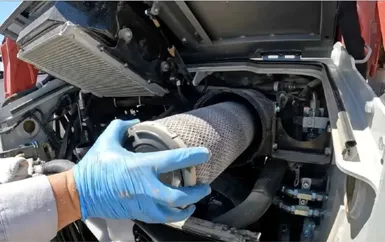
The Strategic Guide to Air Filtration: Protecting Your Heavy Machinery

Dumper Applications Across Construction Sites
On busy construction sites, moving material is not always about using the biggest truck available. I...
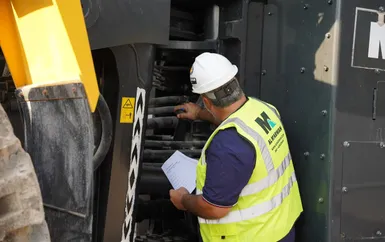
Machinery Maintenance 101: Keeping Your Fleet Running Longer
In the fast-paced world of construction and infrastructure, your machinery is the heartbeat of your...

From Asphalt Plant to Finished Road: The Machinery Chain Behind Paving
A smooth road does not start with the asphalt paver. It starts long before the mix reaches the site....
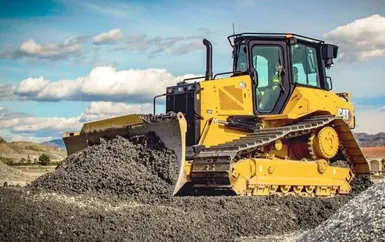
Caterpillar Unveils 3 New Machines at Bauma India 2026
Caterpillar made massive waves at Bauma CONEXPO India 2026 by launching three powerhouse machines en...
