


When choosing an excavator, bucket capacity, operating weight, engine power, and digging depth usual...
Excavator Track Shoe Width: Narrow, Standard, or Wide?
Nov 19 2026
By

When choosing an excavator, bucket capacity, operating weight, engine power, and digging depth usually receive most of the attention. But one specification sitting much closer to the ground can have a major impact on how the machine performs: track shoe width.
When you’re renting an excavator that uses narrow, standard, or wide track shoes affects ground pressure, flotation, traction, maneuverability, undercarriage stress, and even transport width.
The basic rule is simple: use the narrowest track shoe that provides enough flotation for the ground conditions. Going wider than necessary can actually increase wear rather than improve performance. Global equipment manufacturers specifically warn that excessively wide shoes can contribute to bent shoes, cracked links, broken pins, and loose shoe bolts.

What Does Excavator Track Shoe Width Mean?
Track shoes are the steel or rubber plates attached to an excavator's track chains. Their width determines how much surface area is available to distribute the machine's weight across the ground.
Depending on excavator size and configuration, shoe widths can range from a few hundred millimeters on compact machines to 600, 700, 800, 900 mm or more on larger crawler excavators.
For example, manufacturer documentation for a 14-ton-class excavator lists 500, 600, and 700 mm track shoe configurations, while larger crawler excavators may offer even wider options.
The difference may seem small, but increasing shoe width can significantly change ground pressure.
For the same excavator and track contact length:
600 mm → 800 mm shoes increase theoretical contact area by 33% and reduce nominal ground pressure by about 25%.
That reduction can make the difference between working productively on soft soil and repeatedly sinking into it.

Narrow Track Shoes: Best for Firm and Rocky Ground
Narrow track shoes concentrate the excavator's weight over a smaller area, resulting in higher ground pressure.
That sounds negative, but on hard-packed soil, gravel, quarry surfaces, and rocky terrain, it can be exactly what the machine needs.
Narrow shoes generally provide better maneuverability and place less leverage on track links and related undercarriage components. They are also less vulnerable to excessive bending forces when the machine travels across rocks or uneven surfaces.
This makes narrow shoes particularly suitable for:
- quarries and rocky excavation
- compacted construction sites
- demolition work
- hard road-base preparation
They may also reduce the overall machine width, which can simplify transportation.
The disadvantage appears when ground bearing capacity drops. A heavy Kobelco excavator or Komatsu excavator on shoes that are too narrow may sink deeper into loose sand, mud, or saturated soil.

Standard Track Shoes: The Everyday Choice
Standard-width shoes are designed to offer a compromise between flotation, durability, traction, and maneuverability.
For contractors moving between general earthworks, infrastructure projects, trenching, road construction, and reasonably firm soil, they are usually the most versatile configuration.
This is why selecting an excavator for sale in Dubai should involve more than comparing horsepower and bucket size. Ground conditions throughout the machine's expected working life matter too.
A lower excavator price may look attractive initially, but fitting the wrong undercarriage configuration and later replacing track components can affect total ownership costs considerably. When comparing excavator price in UAE listings, check the complete undercarriage specification, including shoe width and condition.

Wide Track Shoes: More Flotation on Soft Ground
Wide shoes spread machine weight over a larger contact area and therefore lower average ground pressure.
This improves flotation when operating on:
- loose sand
- soft clay
- muddy ground
- wet construction sites
- reclamation areas
- riverbanks and marine projects
This becomes especially important for large excavators and specialized configurations.
A long reach excavator for rent, for example, may operate alongside canals, shorelines, dredging areas, or unstable embankments. Selecting an appropriate track arrangement helps support machine stability and mobility when ground conditions permit.

However, wider does not mean stronger.
Komatsu undercarriage guidance explains that shoe width should be sufficient to keep the machine afloat but should not be unnecessarily wide. Wider shoes increase the distance between the track link and the outer edge of the shoe, increasing loads applied to the shoe and undercarriage when operating over uneven ground.
That is why extremely wide shoes designed for soft ground should not simply be fitted to a machine working over hard rock.
How Much Does Shoe Width Affect Ground Pressure?
Ground pressure can be simplified as:
Ground pressure = Machine weight ÷ total track contact area
Track contact area is influenced largely by the length of track touching the ground and track shoe width.
Consider the same machine with identical track contact length:
| Track Shoe Width | Relative Contact Area | Relative Ground Pressure |
| 600 mm | 100% | 100% |
| 700 mm | 116.7% | ~85.7% |
| 800 mm | 133.3% | ~75% |
So simply moving from 600 mm to 800 mm shoes can theoretically reduce average ground pressure by approximately 25%, assuming machine weight and track contact length remain unchanged.
Actual ground pressure depends on the specific machine configuration, attachments, counterweight, working position, and ground conditions.
What About Mini Excavators?
Track selection matters even on compact machines.
Contractors searching for a mini excavator for sale may prioritize narrow dimensions because these machines frequently work between buildings, inside landscaping projects, or through restricted access points.
Al Marwan currently offers compact Kobelco models including the SK17SR, SK35SR-6, SK55SRX-6, and SK80-10 digger, ranging from approximately 1.87 to 7.66 tonnes in listed operating weight.
On these machines, shoe or track width needs to balance flotation with one of the mini excavator's greatest advantages: compactness.

Track Shoe Width Also Affects Undercarriage Costs
The undercarriage can represent a significant part of crawler machine maintenance expenditure, so track selection should never be treated as an afterthought.
Excessive shoe width on hard, uneven terrain increases twisting and bending loads. Over time, this can contribute to wear involving shoes, bolts, pins, links, rollers, and other machinery parts.
Before changing shoe size, always follow the manufacturer's approved configurations rather than simply fitting the widest shoe that physically fits.
Find the Right Excavator at Al Marwan
Al Marwan Machinery offers a wide range of excavators for rent and excavators for sale for construction, infrastructure, quarrying, marine, and earthmoving applications across the GCC.
The current fleet ranges from compact Kobelco machines to medium and large excavators such as the Kobelco SK350 and SK850 and Komatsu PC350LC and PC1250, alongside specialized long-reach machines with boom configurations reaching up to 32 meters.
As an authorized Kobelco dealer, Al Marwan also provides access to genuine spare parts, technical support, maintenance, and assistance in selecting the machine configuration suited to your project conditions.
Looking for an excavator for sale or rental? Contact Al Marwan Machinery to match the machine, undercarriage configuration, and attachments to your jobsite requirements.
FAQ
Are wider excavator tracks always better?
No. Wider shoes reduce ground pressure on soft terrain, but unnecessarily wide shoes can increase undercarriage stress and wear on hard or rocky surfaces.
What track shoe width is best for sand?
Wide shoes are generally preferred because their larger contact area improves flotation. The exact width should follow the excavator manufacturer's approved specifications.
Do wider tracks make an excavator more stable?
They can improve flotation and the machine's ground-support footprint, but shoe width alone does not determine excavator stability. Machine geometry, ground condition, working radius, load, and configuration also matter.
Can I change my excavator to wider track shoes?
Possibly, but only within the configurations approved by the manufacturer. Installing excessively wide shoes can increase loads on shoes, links, pins, bolts, and other undercarriage components.
What should I check when buying a used excavator?
Inspect track shoes, chains, pins, bushings, rollers, sprockets, idlers, track tension, and uneven wear. The correct shoe width should also suit the terrain where you intend to operate the machine.
LEARN FROM OUR INDUSTRY EXPERTS
Latest news & updates
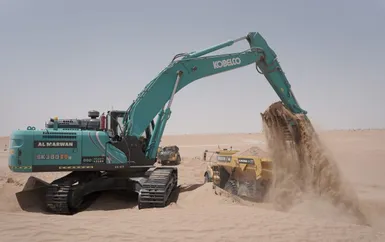
Excavator Track Shoe Width: Narrow, Standard, or Wide?
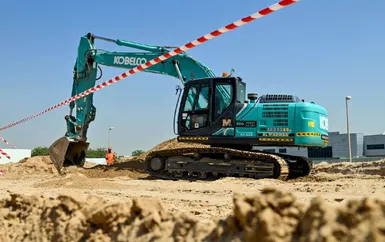
Why Are Excavators Dominating 50% of the Global Machinery Market?
What Is Driving the Massive Global Demand for Excavators?The global construction equipment market ha...
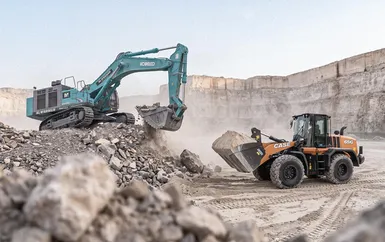
Kobelco to Acquire 70% of CNH Construction Business for $700M
Japanese construction machinery manufacturer Kobelco is making one of its biggest moves in the globa...

Dubai’s New Pedestrian Bridge: The Heavy Machinery Behind It
Dubai’s Roads and Transport Authority (RTA), in partnership with Meraas, officially opened a 11...
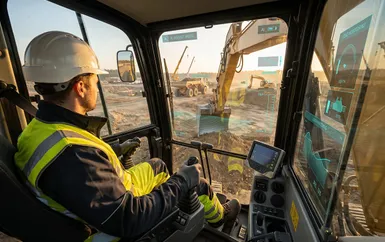
AI in the Operator Cab: How Heavy Equipment Is Becoming Smarter
For decades, operating heavy machinery depended almost entirely on the operator’s experience, eyesig...
