


Every heavy construction site is a high-powered orchestra of roaring engines, multi-ton steel, and p...
Top 8 Strategies to Prevent Accidents on a Construction Site
Oct 30 2026
By

Every heavy construction site is a high-powered orchestra of roaring engines, multi-ton steel, and precision engineering. Yet, beneath the impressive progress lies an unforgiving environment where massive heavy machinery and human activity cross paths every second. Achieving a Zero-Accident milestone isn't just an ambitious goal—it is the operational benchmark that separates industry leaders from costly site delays.
Safety serves as the fundamental engine of site efficiency. Whether operating a Caterpillar bulldozer on a complex grading job or managing a fleet of haulers, airtight safety protocols protect project schedules, safeguard multi-million-dollar assets, and preserve your most vital resource: your crew.
1. Prioritizing Operator Skills and Certification
The most effective safety feature on any jobsite is a highly skilled operator. Modern machinery is equipped with complex digital interfaces and hydraulic systems that require specialized knowledge.

Operators must be more than just drivers. They need to be technicians of their craft, understanding the load limits and center of gravity of every machine they handle. Discover the essential operational techniques required for modern job sites in our guide to essential skills for modern dozer operators.
Training should involve both classroom theory and hands-on field experience. This ensures that when an operator sits in a Caterpillar bulldozer, they are prepared for the specific soil conditions and slope gradients of that site.
2. Comprehensive PPE: Your Last Line of Defense
Personal Protective Equipment (PPE) is a non-negotiable requirement for site entry. It serves as a critical safety buffer when primary controls—such as site rules or equipment safety protocols outlined in our wheel loader safety guide—are bypassed.
Beyond providing high-spec machinery, Al Marwan actively promotes a culture of safety across the industry, recently demonstrating its commitment by collaborating with IPAF at a premier golf event to raise awareness for safe powered access and jobsite best practices
- Head Protection: Hard hats must be inspected daily for cracks or "shell fatigue." They are essential for preventing trauma from falling tools or low-hanging structures.
- High-Visibility Apparel: Being seen is the first step to being safe. High-vis vests ensure that operators of an articulated dump truck can identify ground personnel in low-light conditions.
- Foot and Hand Protection: Steel-toe boots protect against crushing, while task-specific gloves prevent chemical burns, cuts, and vibrations.

- Respiratory and Hearing Gear: Long-term health is just as important as immediate safety. Dust masks and earplugs prevent chronic industrial illnesses.
3. The Science of Machine Maintenance
A mechanical failure in a small car is an inconvenience; a mechanical failure in a Kobelco excavator is a disaster. Maintenance is a safety strategy, not just an operational cost. Every machine at Al Marwan undergoes a rigorous multi-point inspection. We look for the "silent killers" of machinery: frayed wires, hydraulic leaks, and hairline structural fractures.
A preventive maintenance schedule should always be based on engine operating hours and site environmental stress. As outlined in our excavator maintenance guide, standard service intervals occur every 250, 500, and 1,000 hours to replace oil, check track tension, and inspect hydraulic filters.
However, operating in highly abrasive, dusty, or high-heat environments drastically accelerates wear. If your machine is working under extreme job site conditions, your filter and seal inspection frequency should double to prevent dust ingestion and avoid premature component failure

Daily walk-arounds are the responsibility of the operator. Checking the brake pressure and steering response before the shift begins can prevent a runaway machine incident later in the day.
4. Safe Operation of an Articulated Dump Truck
The articulated dump truck (ADT) is a workhorse of the modern construction site, but its design presents unique safety challenges that ground crews must understand.
Because the cab and the trailer move independently, the articulation point creates a "pinch zone." No worker should ever stand near this joint while the engine is running or the truck is in motion.
Stability is the ADT’s greatest strength. Its ability to keep all wheels on the ground over uneven mounds makes it safer than rigid trucks in muddy conditions. However, overloading can negate this stability.
5. Managing Traffic and Blind Spots
The Struck-By category remains one of the leading causes of site fatalities. Managing the flow of traffic is essential to keeping ground workers safe.
Creating exclusion zones is a highly effective tactic. These are areas where only machinery is allowed, and strictly forbidden to any pedestrian traffic.

Spotters are essential for any backing maneuver. A spotter must be trained in standardized hand signals and must always maintain a line of sight with the operator’s mirrors.
6. Environmental Hazard Identification
Nature is unpredictable, and sudden weather shifts can transform a safe project site into a hazard zone in less than an hour. High winds, heavy fog, and sudden storms serve as clear signals to pause operations immediately to protect both workers and equipment.
Adverse weather poses extreme risks when working at heights during harsh weather, where elevated wind speeds and reduced visibility can endanger crew members. Following the guidelines in our aerial platform operation guide helps teams safely navigate windy or sunny site conditions.
- Soil Stability: Heavy rain can liquefy soil, making it dangerous for heavy haulers. Always check the ground bearing capacity after a storm.
- Heat Stress: Safety isn't just about the machines. Ensuring workers have access to shade and hydration prevents fainting, which can lead to falls or machinery accidents.
- Clear Vision: Dust suppression is vital. Using water trucks to keep dust down ensures that the operator of a caterpillar bulldozer has a clear view of their surroundings.
7. Building a Safety-First Site Culture
A safety culture is built from the top down. When leadership prioritizes safety over speed, workers feel empowered to report near-misses without fear of retribution.
Toolbox talks are short, daily safety meetings held at the start of every shift. Lasting just 10 to 15 minutes, these briefings gather the entire crew on-site before any equipment starts up to review the exact tasks, hazards, and safety protocols for that specific day

Reporting a "near-miss" is the most effective way to prevent a future "hit." By analyzing why a caterpillar bulldozer almost clipped a barrier, the team can adjust the site layout to prevent a real collision.
Al Marwan encourages all clients to adopt a transparent reporting system. Learning from near-miss incidents is what keeps the "never" incidents from happening.
8. Strategic Equipment Selection
The safest jobsite is one where machinery is perfectly matched to the specific demands of the task. Using an undersized machine for a heavy lift or deploying the wrong chassis on uneven ground drastically increases the risk of tipping, structural failure, and site accidents.
Selecting the right tonnage class and equipment type ensures optimal stability, power, and operator safety across various site conditions:
- Heavy Lifting & Material Handling: Deploying a high-capacity Kobelco crane guarantees high structural stability and rated load limits for complex overhead lifts, while using a 10 ton forklift on the ground allows crews to move heavy palletized loads safely without overloading equipment limits.
- Earthmoving & Terrain Navigation: Utilizing a powerful komatsu excavator ensures efficient digging force without straining the hydraulic system, while sending an articulated dump truck across muddy, uneven slopes provides the traction and frame articulation needed to prevent rollover hazards.

Expert fleet consultation ensures every machine selected is completely fit for purpose. Incorporating advanced technology into your fleet—such as exploring how hydrogen-powered heavy equipment and digital monitoring systems are shaping site safety—helps lower risk profiles across the board.
Our machinery is equipped with the latest safety technology, including proximity sensors and 360-degree cameras. These tools act as a second set of eyes for the operator, filling in the gaps that human vision might miss.
Al Marwan Heavy Machinery supplies top-tier equipment equipped with modern safety technology to keep your workforce protected and your projects on schedule.
Explore Our Heavy Machinery Fleet or Contact Our Equipment Specialists Today to equip your site with the industry's safest machinery solutions
Frequently Asked Questions (FAQ)
How do I prevent a caterpillar bulldozer from tipping on a slope?
Always drive the caterpillar bulldozer straight up or down a slope. Never drive across a steep incline, as this shifts the center of gravity to the side and significantly increases the risk of a rollover.
Why is an articulated dump truck safer for off-road use?
An articulated dump truck features an oscillating hitch that allows the front and back sections to rotate independently. This keeps all tires in contact with the ground on uneven terrain, providing much better traction and stability.
What are the most common blind spots on heavy machinery?
The area directly behind the machine and the "passenger side" (opposite the cab) are the most common blind spots. Using cameras and trained spotters is the only way to safely manage these zones.
How does Al Marwan ensure the safety of its rental fleet?
Every machine undergoes a comprehensive safety check before it leaves our yard. We monitor service intervals strictly to ensure that every caterpillar bulldozer and truck is in peak mechanical condition for our clients
Can weather affect the safety of heavy equipment?
Absolutely. High winds can affect the stability of raised loads, and rain can drastically change the traction of the soil. Operators should always adjust their speed and maneuvers based on the current weather conditions.
LEARN FROM OUR INDUSTRY EXPERTS
Latest news & updates
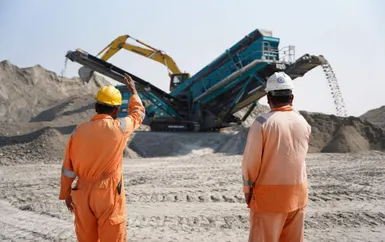
Top 8 Strategies to Prevent Accidents on a Construction Site
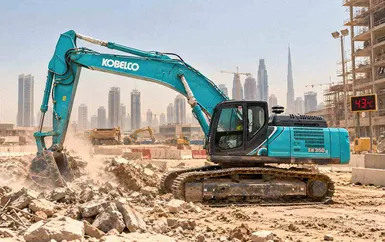
How to Prevent Excavator Overheating on Hot UAE Job Sites
An excavator working through a UAE summer must manage more than the heat generated by its engine and...
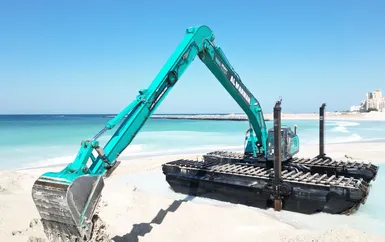
Guide to Hydraulic Cylinders: Maintenance, Mechanics, and Sourcing
The hydraulic cylinder is the cornerstone of the construction world. These mechanical muscles a...
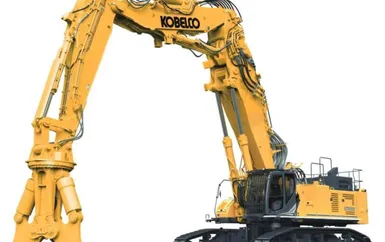
Kobelco SK1300DLC-11: A New Standard for High-Reach Demolition
Demolishing a tall structure is not simply a matter of fitting a longer boom to a conventional excav...
Piling Machine Guide: Top Suppliers and Selection Strategies
Every iconic skyline, mega-bridge, and deep-water port starts with a single, crucial moment: driving...
