


A sudden fluid puddle under a digger, loader, or earthmover is an immediate signal that a critical i...
Essential Crane Safety Guidelines for Operators and Buyers
Jun 12 2026
By

Crane operations play a critical role across construction, infrastructure, and industrial projects. When managed incorrectly, they also represent one of the highest safety risk categories on any jobsite.
For contractors evaluating heavy machinery near me or comparing crawler cranes for sale, crane safety must be considered long before the first lift begins. Safe performance starts with informed planning, disciplined operation, and the right equipment choice.
Why Crane Safety Matters
Crane incidents, like Kobelco cranes for example, rarely result from a single failure. Most accidents are caused by poor planning, lack of inspection, or unsafe operating decisions.
Strong crane safety practices help:
- Protect operators and site teams
- Reduce downtime and repair costs
- Extend equipment service life
- Support regulatory and insurance compliance
At Al Marwan, safety is treated as a performance requirement, not an afterthought.
1. Plan Every Lift in Advance
No lift should begin without a clear plan. Lift planning ensures the crane, configuration, and environment are suitable for the task.

A proper lift plan defines:
- Load weight and dimensions
- Lift radius and height
- Crane configuration
- Ground bearing capacity
- Nearby obstacles and exclusion zones
Unplanned lifts significantly increase the risk of tipping and load loss.

Note:
You should check 3 times :
- Load Weight vs. Crane or Hoist Capacity: You must check that the actual weight of the load does not exceed the safe lifting capacity of the crane or hoist being used.
- Roof Condition & Stability: You need to verify the structural integrity and stability of the area (such as the ground, foundation, or roof structure) supporting the crane and the load.
- Clear Communication Between Rigger & Operator: You must establish and maintain unmistakable communication (such as the hand signals or radio contact shown in the illustration) between the rigger on the ground and the crane operator
2. Conduct Pre-Operation Inspections
Kobelco Cranes must be inspected before every shift, even if they were used the day before.
Critical inspection points include:
- Structural components and welds
- Wire ropes, hooks, and sheaves
- Hydraulic systems
- Brakes and controls
- Safety and warning devices
For used machines, inspection records are as important as the physical condition.

3. Follow Load Charts and Rated Capacity
Every Kobelco crane is engineered with strict, non-negotiable operating limits. Ignoring the load charts or overriding the crane's onboard computer systems can lead to severe overloading, tipping, and catastrophic structural failure.
Operators must understand:
- Rated lifting capacity
- Boom length and angle impact
- Radius-based limits
- Counterweight requirements
Crane limits are engineering boundaries—not recommendations.
4. Maintain Clear Site Communication
Safe crane operations depend on precise coordination between operators and ground teams.
Best practices include:
- One designated signal person
- Standard hand signals
- Reliable radio communication
- Clear visibility or assisted guidance
Clear communication prevents confusion during complex lifts.

You can also explore Crane Hand Signals on the job site in our previous article
5. Monitor Weather and Site Conditions
Environmental conditions can change quickly and must be monitored continuously.
Operations should stop when:
- Wind exceeds safe limits
- Visibility is reduced
- Lightning is present
- Ground conditions become unstable
When operating machinery like Mobile Elevating Work Platforms (MEWPs) or Kobelco cranes, executing extreme caution during windy weather conditions is a critical safety rule. High winds can compromise equipment stability, increase the risk of tip-overs, and cause suspended loads or extended platforms to swing uncontrollably
Read more about Working at Heights in Windy and Sunny Conditions in our previous article
6. Maintain Safe Distance From Power Lines
Power line contact remains one of the most serious crane hazards.
Essential precautions include:
- Maintaining minimum clearance distances
- Using spotters near energized lines
- De-energizing lines where possible
Electrical hazards must be considered during both planning and equipment selection.
7. Use Proper Personal Protective Equipment (PPE)
PPE supports safe lifting operations and reduces injury severity.
Required PPE typically includes:
- Hard hats
- High-visibility clothing
- Steel-toed boots
- Protective gloves
- Fall protection when required
PPE complements safe behavior—it does not replace it.

8. Ensure Operator Fitness and Focus
Crane operators must remain alert, healthy, and focused at all times.
Operators should never work while:
- Fatigued or ill
- Under the influence of medication
- Distracted or rushed
Safe lifting depends on controlled movements and full awareness.
9. Never Override Safety Systems
Modern cranes are equipped with built-in safety protections.
These include:
- Load moment indicators
- Anti-two-block devices
- Height and swing limiters
Disabling safety systems puts both personnel and equipment at risk.
10. Maintain Preventive Maintenance Programs
Maintenance is a safety requirement. Cranes must follow scheduled service and inspection programs.
Maintenance should address:
- Wear components
- Structural integrity
- Calibration of safety systems
- Replacement of critical parts
When searching for heavy machinery near me, verified maintenance history is a key indicator of reliability.
11. Emergency Preparedness and Response
Even with strong controls, emergencies can occur. Preparedness ensures fast and safe response.
Establish an Emergency Action Plan
Every operation should have a documented emergency plan that defines:
- Emergency stop procedures
- Evacuation routes
- Crew responsibilities
- Communication protocols
Clear plans reduce confusion during critical moments.
Train Crews for Emergency Scenarios
Emergency procedures must be practiced.
Training should include:
- Mechanical failures
- Load instability
- Power line contact
- Severe weather shutdowns
Prepared teams respond faster and safer.
Safety When Buying Heavy Equipment
When evaluating heavy equipment for sale, safety should guide purchasing decisions.
A safety-focused checklist includes:
- Verified inspection reports
- Complete service records
- Functional safety and emergency systems
- Compliance with local regulations
Frequently Asked Questions (FAQ)
What is the most important Kobelco crane safety rule?
Whether you are operating a newly purchased machine or managing a crane for rent, proper planning and load control remain the most critical safety rules. For any Kobelco crane, following exact manufacturer guidelines ensures secure lifting on every job site.
Are used cranes for sale or rent cranes safe to operate?
Yes. If you are looking at a crane for sale or securing a crane for rent, these machines are perfectly safe to operate provided that their comprehensive inspection logs and maintenance records are thoroughly verified before deployment.
How often should cranes be inspected, and does it affect the crane price in UAE?
Visual inspections must be completed daily before every shift. Keeping up with these rigorous safety checks protects your crew and directly impacts the market value; well-maintained units command a better crane price in UAE when it comes time to resell.
Why are load charts critical for a Kobelco crane?
Load charts are vital because they define the absolute engineering boundaries, safe lifting capacities, and boom radius limits for your specific Kobelco crane. Strictly adhering to these charts is the only way to prevent catastrophic structural overload.
Does safety affect the resale value of a crane for sale?
Absolutely. When listing a used crane for sale, having a flawless safety record and highly detailed service documentation allows sellers to justify a premium crane price in UAE, as buyers eagerly pay more for guaranteed reliability and machine integrity.
LEARN FROM OUR INDUSTRY EXPERTS
Latest news & updates
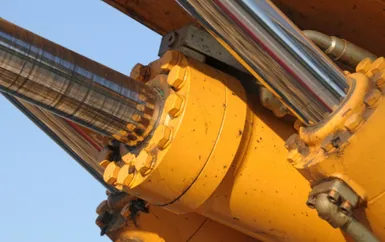
How to Spot Heavy Machinery Fluid Leaks Before They Cause Downtime
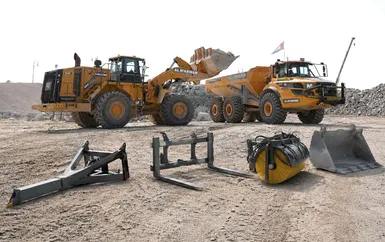
Wheel Loader Attachments That Turn One Machine Into Five
A wheel loader is already one of the most useful machines on any construction site. It loads, carrie...
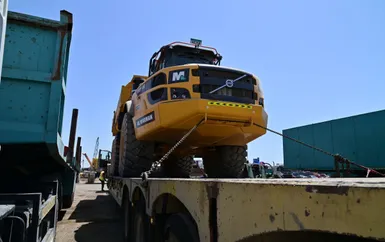
The Ultimate Guide to Buying an Articulated Dump Truck: Critical Tips
Investing in heavy machinery is one of the most significant capital expenditures a business can make...

The Loader Operator’s Blind Spot: Why Visibility Can Make or Break Site Safety
Wheel loaders are among the busiest machines on construction sites. They load trucks, move aggregate...
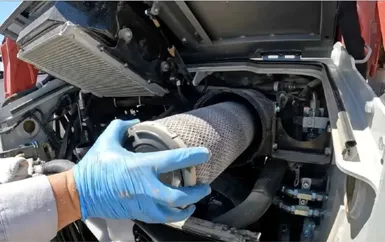
The Strategic Guide to Air Filtration: Protecting Your Heavy Machinery
Maintaining high-performance heavy machinery for sale requires a strategy that goes beyond simple o...
