


When an excavator starts to lose power, the hydraulic pump is usually the first component blamed. Th...
Why Excavators Lose Digging Force: It Is Not Always the Hydraulic Pump
Nov 22 2026
By

When an excavator starts to lose power, the hydraulic pump is usually the first component blamed. The bucket fails to penetrate hard ground, the arm slows under load, or cycle times steadily drag.
But replacing the pump too quickly can be an expensive mistake.
Digging performance depends on more than one component. Hydraulic pressure, cylinders, relief valves, oil condition, engine power, bucket teeth, linkage wear, and control valves can all reduce digging force even when the main pump is still working properly.
For contractors managing excavators for rent, buying used machines, or operating an equipment rental Dubai fleet, identifying the real cause can prevent unnecessary repair costs and downtime.

How Does an Excavator Produce Digging Force?
Hydraulic cylinders create force when pressurized oil pushes against the piston.
In simple terms:
Hydraulic Force = Pressure × Piston Area
Many medium excavators operate at main hydraulic pressures of roughly 30-35 MPa (about 4,350-5,100 psi), though specifications vary by model.
If the system cannot reach its designed pressure, digging force decreases. However, that does not automatically mean the pump is worn.
1. The Relief Valve May Be Opening Too Early
Hydraulic relief valves protect the system from excessive pressure.
If a relief valve is incorrectly adjusted, contaminated, or worn, it may open before the excavator reaches its intended hydraulic pressure.
For example, suppose a machine is designed to reach 34 MPa, but the relief valve starts opening at 29 MPa.
That is about a 15% pressure reduction, which can noticeably reduce cylinder force.
The excavator may still perform normally during light work but struggle during hard digging.
Before replacing the pump, technicians should therefore verify the actual relief pressure against manufacturer specifications.
2. Hydraulic Cylinder Seals May Be Leaking Internally
A hydraulic cylinder can look perfectly normal externally while losing pressure internally.
Worn piston seals may allow hydraulic oil to pass from the high-pressure side of the piston to the opposite side.
This reduces the amount of hydraulic pressure converted into useful force.
A common clue is weakness in only one function.
If the bucket feels weak but boom, arm, swing, and travel functions remain strong, technicians should inspect the bucket cylinder and its hydraulic circuit before blaming the main pump.

3. Hydraulic Oil May Be Too Hot
Hydraulic oil viscosity changes with temperature.
When oil becomes excessively hot, it becomes thinner. This can increase internal leakage through pumps, valves, and cylinders, particularly when components already have some wear.
This explains why an excavator may feel powerful when first started but become noticeably weaker after several hours.
Possible causes include:
- Incorrect hydraulic oil viscosity
- Dirty hydraulic coolers
- Restricted airflow
- Excessive internal leakage
- Prolonged operation against relief pressure
Overheating should never be ignored because it can accelerate wear throughout the hydraulic system.
4. Filters Can Restrict Hydraulic Flow
Pressure affects force, while hydraulic flow strongly influences operating speed.
A restricted hydraulic filter can reduce oil flow and make boom, arm, and bucket movements noticeably slower.
Operators may describe the machine as “weak” even though the problem is actually restricted flow rather than insufficient pressure.
Before replacing expensive machinery parts, technicians should inspect hydraulic oil level, filters, contamination, hoses, and suction lines.

5. The Engine May Be Losing Power
The hydraulic pump depends on the engine.
If engine rpm drops significantly under load, the pump cannot receive enough mechanical power to produce its intended hydraulic output.
Possible causes include fuel restrictions, air intake problems, engine overheating, electronic derating, or poor engine condition.
If several hydraulic functions become slow simultaneously and the engine also sounds overloaded, engine performance should be tested alongside hydraulic pressure and flow.
A good hydraulic pump cannot compensate for insufficient engine horsepower.
6. Main Control Valve Leakage Can Reduce Performance
The main control valve directs hydraulic oil toward the boom, arm, bucket, swing, and travel circuits.
Internal wear, contamination, sticking spools, or leakage inside the valve can reduce the pressure reaching one particular function.
This can create symptoms similar to pump failure.
If only the arm or bucket feels weak while other functions remain normal, the issue may be isolated to that section of the valve rather than the complete hydraulic system.

7. Bucket Teeth and Linkage Wear Affect Real Digging Performance
Sometimes the hydraulic system is not the problem at all.
Rounded bucket teeth require more effort to penetrate compacted soil. Worn pins and bushings can also reduce the efficiency of force transfer between the bucket, linkage, and cylinder.
Bucket size matters too.
Installing an oversized bucket increases the resistance the excavator must overcome during digging.
Geometry becomes even more important with a long reach excavator for rent. Longer boom and arm combinations provide greater reach but generally offer lower practical digging and lifting capability than standard configurations.

Test Before Replacing the Hydraulic Pump
Hydraulic pumps certainly wear over time. Internal clearances can increase, causing leakage and reduced flow.
But pump replacement should come after proper testing.
Technicians should compare actual hydraulic pressure and flow with the manufacturer's specifications while checking:
- Engine rpm
- Relief pressure
- Hydraulic oil temperature
- Cylinder leakage
- Filters
- Control valves
- Bucket and linkage condition
This is especially important when evaluating a used machine. A low excavator price in UAE may look attractive, but neglected hydraulic components can quickly turn a bargain into a costly repair.

Al Marwan Machinery: Keep Your Excavator Working
Whether you need an excavator, excavators for rent, a long reach excavator for rent, or a mini excavator for sale, machine condition should be considered alongside specifications and price.
Al Marwan Machinery supplies heavy equipment for sale and rental in the UAE, supported by workshop services and machinery parts for demanding construction applications.
Weak digging performance does not always mean the hydraulic pump has failed. Proper diagnosis can reveal a much smaller and less expensive problem.
FAQ
Why does my excavator lose digging power when hot?
High oil temperature reduces hydraulic oil viscosity, which can increase internal leakage in worn pumps, valves, or cylinders.
Can a bad hydraulic filter make an excavator feel weak?
Yes. A restricted filter can reduce hydraulic flow, making machine movements slower.
How can you confirm hydraulic pump failure?
Technicians normally check hydraulic pressure, flow, engine rpm, and internal leakage before confirming pump failure.
Does a long-reach excavator have less digging force?
Generally, yes. The longer boom-and-arm geometry increases reach but usually reduces practical digging force compared with a standard configuration.
LEARN FROM OUR INDUSTRY EXPERTS
Latest news & updates
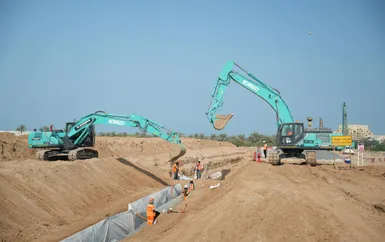
Why Excavators Lose Digging Force: It Is Not Always the Hydraulic Pump
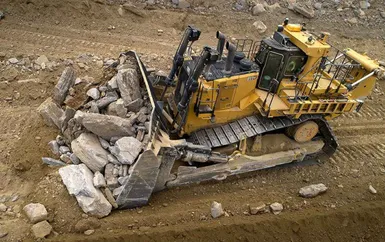
Caterpillar Launches New D11 XE Electric Drive Dozer for Mining
Caterpillar Inc. has officially introduced the flagship Cat D11 XE Electric Drive Dozer, markin...
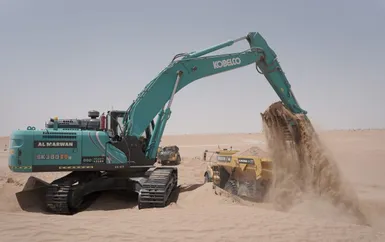
Excavator Track Shoe Width: Narrow, Standard, or Wide?
When choosing an excavator, bucket capacity, operating weight, engine power, and digging depth usual...
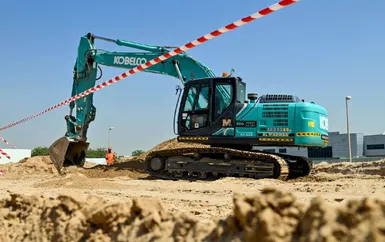
Why Are Excavators Dominating 50% of the Global Machinery Market?
What Is Driving the Massive Global Demand for Excavators?The global construction equipment market ha...
Kobelco to Acquire 70% of CNH Construction Business for $700M
Japanese construction machinery manufacturer Kobelco is making one of its biggest moves in the globa...
