


Excavator buckets face continuous friction, high impacts, and harsh soils on every job site. Without...
How to Prevent Excavator Bucket Wear and Reduce Maintenance Costs?
Nov 27 2026
By

Excavator buckets face continuous friction, high impacts, and harsh soils on every job site. Without adequate defense, heavy-duty attachments quickly experience structural degradation and severe performance drops.
Protecting your excavator attachments prevents unexpected machinery parts breakdowns and significantly reduces overall equipment operating costs. Taking early action ensures your machinery stays productive on demanding projects.
What Causes Excavator Bucket Wear?
Excavator bucket wear occurs when abrasive rocks, gravel, sand, and heavy debris constantly grind against raw steel surfaces. Continuous digging thins the metal walls, fractures cutting edges, and damages bucket teeth.
Worn buckets compromise digging efficiency, prolong project cycle times, and increase engine fuel consumption. Left unchecked, severe structural cracks can cause catastrophic failure on active construction sites.

Implementing proactive wear protection safeguards critical excavator attachment components, drastically lowers maintenance downtime, and extends overall bucket service life.
What Are the 6 Main Types of Bucket Wear?
Understanding how excavator bucket metal degrades helps equipment operators select the most effective armor for their earthmoving machinery.
1. Abrasive Wear
Abrasive wear is the most common form of bucket degradation. It happens when hard particles like gravel, coarse sand, and crushed rock continuously scrape against exposed steel plates.
2. Impact Damage
Impact damage occurs when the bucket violently strikes solid obstacles like granite, concrete slabs, or boulders. These heavy blows dent the bucket shell, fracture structural welds, and shatter leading edges.

3. Surface Scratching
Scratching creates sharp micro-grooves across the steel shell. Sharp debris cuts shallow channels into the metal surface, which weakens outer layers and accelerates secondary abrasive wear.
4. Environmental Corrosion
Chemical corrosion develops when bucket steel reacts with moisture, acidic soils, or saltwater environments. Rust destroys the structural integrity of the metal, making it prone to sudden cracking under load.

5. Metal Fatigue
Repetitive load cycles subject the bucket structure to severe ongoing mechanical stress. Microscopic stress fractures form across high-load zones over time, eventually causing major frame failures.
6. Thermal Stress Cracking
Extreme ambient temperature swings cause bucket steel to expand and contract repeatedly. This constant thermal movement weakens internal metal structures and accelerates crack formation.
What Are the Best Bucket Wear Protection Solutions?
Installing specialized wear protection components for your excavator bucket creates a sacrificial barrier that absorbs extreme job site abuse instead of your primary bucket structure.
| Protection Type | Primary Bucket Location | Key Operational Advantage |
| Key Operational Advantage | Cutting edges & lip zones | Shields critical edge welds from drag wear |
| Heel Shrouds | Rear lower corners | Protects high-wear corner joints in trenches |
| Wear Plates | Outer shell underside | Prevents overall shell metal thinning |
| Wear Buttons | Curved & tight clearance zones | Provides targeted spot defense where plates fit poorly |
| Lip & Wing Guards | Side cutters & lip corners | Preserves side wall thickness during heavy penetration |
Bucket & Heel Shrouds
- Lip Shrouds: Lock onto the cutting edge between bucket teeth to absorb severe drag abrasion during digging cycles.

- Heel Shrouds: Protect vulnerable rear outer corners that continually rub against trench walls during excavation.
- Wing Guards: Shield side cutters from extreme lateral friction when slicing through dense, compacted ground.
Plates, Strips, and Wear Buttons
- Hardened Wear Plates: Heavy steel plates welded directly onto high-friction zones across the underside of the bucket shell.

- Targeted Wear Buttons: Compact alloy domes ideal for irregular surfaces and tight contours where flat plates cannot fit.
- Chocky Bars: Flexible, notchable armor bars that easily wrap around curved bucket side walls and tight angles.
What Alternative Protection Methods Are Available?
Beyond conventional welded alloy plates, modern engineering provides specialized alternatives for high-abrasion earthmoving jobs.
- Hardfacing Alloys: Hardfacing deposits a tough, wear-resistant alloy layer directly onto high-stress zones using specialized welding techniques.
- Internal Rubber/Polymer Liners: Flexible rubber or UHMW plastic liners absorb heavy stone impacts and stop wet clay from sticking to the interior steel.
- Carbide Overlays: Applying chromium carbide or tungsten carbide overlays delivers elite defense against hyper-abrasive soils compared to mild carbon steel.
- Thermal Spray Coatings: Specialized ceramic or metallic sprays create a tough surface layer that resists chemical corrosion and high heat.
How Does Wear Protection Impact Equipment Value?
Buying heavy machinery is only half the battle; the real challenge is keeping maintenance costs from eating into your profits. While an excavator price depends on its weight, hydraulics, and brand, even top-tier models from Kobelco or Komatsu need proper attachment protection to last. Adding durable armor to your attachments prevents premature wear, keeps your machines working longer, and protects your bottom line.

Evaluating the average excavator price in uae shows that high construction activity makes preventive maintenance critical to protecting machinery resale value. Many contracting firms also explore quality excavators for rent to manage short-term job surges without committing heavy upfront capital.
Equipping rental or owned attachments with proper wear armor protects machines from costly damage penalties and keeps projects running on schedule.
How to Maximize Excavator Bucket Lifespan?
Combining protective hardware with proper operational techniques ensures maximum durability and lowest operating costs.
Operational Best Practices
- Maintain Ideal Digging Angles: Instruct operators to penetrate materials cleanly rather than dragging the bucket sideways through tough soil.
- Avoid Prying Heavy Objects: Prevent using side cutters or teeth to leverage massive boulders or concrete structures.
- Use Correct Hydraulic Power Modes: Adjust hydraulic power settings to match soil density to eliminate excess vibration.
Maintenance & Inspection Routines
- Conduct Daily Visual Checks: Inspect bucket teeth, retainers, and wear plates daily for early signs of fracturing.

- Remove Material Build-Up: Clean out packed mud, wet slurry, and corrosive materials at the end of every operational shift.
- Ensure Proper Storage: Park idle attachments on dry timber pads away from standing water to prevent moisture corrosion.
Protect Your Attachments with Al Marwan Machinery
Don't let bucket wear slow down your job site productivity or inflate your project budget. Whether you need bucket attachments for sale, specialized wear protection parts, or site-ready machinery rentals complete with certified operators, Al Marwan Machinery has you covered across the UAE and GCC. Looking for Excavator Rentals or Machinery Parts? Explore our extensive fleet of excavators for rent and genuine machinery parts directly at almarwan.com.
Frequently Asked Questions (FAQ)
How often should excavator bucket wear parts be replaced?
Unprotected bucket teeth and cutting edges typically require replacement every 1,000 to 2,000 operating hours. Installing high-strength shrouds and wear plates extends baseline bucket life significantly beyond these standard limits.
What is the best wear protection for rock excavation?
A combination of heavy-duty lip shrouds, heel guards, and chromium carbide wear plates provides the maximum defense against crushing stone impacts and severe gravel friction.
Can wear plates be replaced without buying a new bucket?
Yes. Wear plates, shrouds, and buttons serve as sacrificial armor. Skilled welders can easily torch off worn plates and weld fresh steel armor directly onto the existing bucket shell.
Is hardfacing better than installing wear plates?
Hardfacing is ideal for tight contours, bucket teeth, and quick spot repairs. Hardened wear plates are superior for protecting large, flat bucket surfaces that endure continuous high-volume abrasion.
LEARN FROM OUR INDUSTRY EXPERTS
Latest news & updates
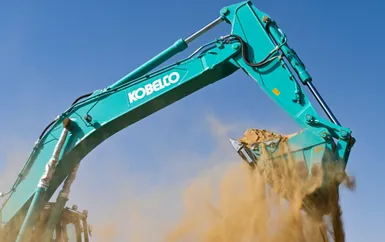
How to Prevent Excavator Bucket Wear and Reduce Maintenance Costs?
Why a 10-Ton Forklift Cannot Always Lift 10 Tons
A 10 ton forklift sounds straightforward: if the load weighs 10 tonnes, the forklift should be able ...
Kobelco Expands Demolition Lineup with SK650DLC-11 High Reach Excavator
Kobelco Construction Machinery U.S.A. (KCMU) has expanded its specialized demolition machinery portf...
Why Excavators Lose Digging Force: It Is Not Always the Hydraulic Pump
When an excavator starts to lose power, the hydraulic pump is usually the first component blamed. Th...
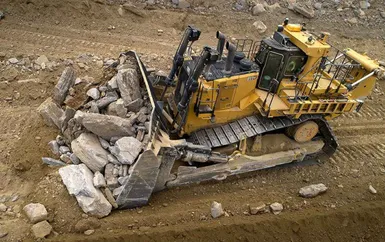
Caterpillar Launches New D11 XE Electric Drive Dozer for Mining
Caterpillar Inc. has officially introduced the flagship Cat D11 XE Electric Drive Dozer, markin...
