


An excavator depends on hydraulic oil and hydraulic hoses to transfer power from its pumps to the bo...
The Vital Role of Hydraulic Hoses in Heavy Machinery
Dec 24 2025
By

In the fast-paced world of construction, mining, and agriculture, heavy machinery like excavators, bulldozers, and cranes powers massive projects that shape our cities and infrastructure. At the heart of heavy construction machinery are hydraulic hoses—flexible tubes that carry pressurized fluid to make these giants move, lift, and dig. Though often overlooked, hydraulic hoses are essential for keeping equipment running smoothly and safely. As a leading provider of heavy machinery in the GCC, Al Marwan understands the critical role these components play in delivering reliable performance on job sites. This article explores what hydraulic hoses do, why they matter, and how proper care and innovation keep them pushing the industry forward.
What Are Hydraulic Hoses?
Hydraulic hoses are like the arteries of heavy machinery, carrying fluid that powers movements like lifting a crane’s boom or digging with an excavator’s arm. They’re built tough to handle high pressure, extreme weather, and constant motion. A typical hose has three layers: an inner tube to hold the fluid, a strong middle layer to withstand pressure, and an outer cover to protect against dirt, heat, and wear. Materials like synthetic rubber or thermoplastics make them flexible yet durable, perfect for the rough conditions of construction sites or quarries.

Without hoses, machines would be rigid and unable to function. Unlike stiff pipes, hoses bend and flex, letting parts move freely while keeping fluid flowing. This flexibility is why they’re indispensable in equipment like loaders, tractors, and hydraulic hammers.
Why Hydraulic Hoses Matter
Hydraulic hoses are the unsung heroes that make heavy machinery work. In an excavator, they power the arm to dig trenches; in a bulldozer, they lift the blade to clear land. They handle pressures that can exceed thousands of pounds per square inch, ensuring machines can tackle tough tasks like lifting heavy loads or breaking rock. Their ability to absorb vibrations and shocks also protects other parts, reducing wear and tear.
Reliable hoses mean less downtime, saving time and money on projects. A single leak or burst can halt work, delay deadlines, or even cause safety hazards like fluid spills. That’s why companies like Al Marwan prioritize high-quality hoses that meet strict standards, ensuring machines perform at their best, whether rented or purchased.

Types of Hydraulic Hoses
Not all hydraulic hoses are the same—they’re designed for specific jobs. Some are built for lower pressures, like in compact loaders, while others handle extreme forces in large cranes or mining equipment. Common types include braided hoses, which are flexible for medium-pressure tasks, and spiral hoses, which are tougher for high-pressure jobs like hydraulic hammers. There are also specialized hoses for hot environments or harsh chemicals, ensuring every machine has the right fit.

Choosing the correct machinery parts depends on the equipment and the job. For instance, a hose for a desert construction site needs to resist heat and sand, while one for a cold mining operation must stay flexible in freezing temperatures. Al Marwan’s extensive inventory includes hoses for all types of machinery, from Kobelco excavators to Caterpillar bulldozers.
Read more about our machinery parts in this article and visit our showroom in Sharjah to learn more.
Keeping Hoses in Top Shape
To keep machines running, hydraulic hoses need regular care. Checking them every few months for signs of wear—like cracks, leaks, or worn covers—can prevent breakdowns. Proper installation is key: hoses shouldn’t be twisted or bent too tightly, and protective sleeves can shield them from rubbing or debris. Cleaning them with mild soap and storing them away from sunlight or moisture extends their life.

Safety is critical. A burst hose under high pressure can cause injuries or start fires, so operators must always depressurize systems before maintenance. Replacing worn hoses promptly keeps job sites safe and productive. For Al Marwan’s customers, following these simple steps ensures their rental or owned equipment stays reliable, no matter the project.
You can read more about it in our previous article
The Future of Hydraulic Hoses
The hydraulic hose industry is evolving to meet modern demands. Newer hoses are lighter and stronger, thanks to advanced materials like graphene, which boosts durability. Some even have sensors to monitor pressure or wear, alerting operators before problems arise. These smart hoses help prevent failures, saving time and costs. Eco-friendly designs are also emerging, using sustainable materials and reducing fluid leaks to protect the environment.
These innovations make hoses more efficient, especially for hybrid or electric machinery, which is gaining traction in the industry. As construction and mining push for greener, smarter solutions, hydraulic hoses are keeping pace, ensuring heavy equipment stays powerful and reliable.
Powering Progress
Hydraulic hoses may not grab headlines, but they’re vital to the heavy machinery that builds our world. From enabling precise movements to enduring tough conditions, they keep projects moving forward. At Al Marwan, with 47 years of expertise in heavy equipment, we know that quality hoses are key to success on any job site.
Whether you’re renting a loader or buying an excavator, choosing the right hoses and maintaining them well ensures top performance. Contact us to learn more about our equipment and parts solutions
If you're in Sharjah, stop by to explore a wide range of genuine machinery parts in our spare parts showroom.
Frequently Asked Questions
Q1: What are hydraulic hoses, and what is their main function?
A: Hydraulic hoses are flexible tubes that act like the arteries of heavy machinery. They carry highly pressurized fluid throughout the machine to transfer power, enabling heavy equipment to perform essential movements like lifting a crane’s boom or digging with an excavator’s arm.
Q2: How are hydraulic hoses constructed to withstand harsh jobsites?
A: A typical hydraulic hose is built with three distinct layers to handle extreme conditions. It features an inner tube designed to hold the hydraulic fluid, a strong middle layer engineered to withstand intense pressure, and a durable outer cover that protects the entire hose from dirt, heat, and physical wear.
Q3: Why are flexible hydraulic hoses used instead of rigid metal pipes?
A: Unlike stiff, rigid pipes, hydraulic hoses are designed to bend and flex continuously. This flexibility is essential for heavy machinery because it allows components like loader buckets, tractor attachments, and hydraulic hammers to move freely through their full range of motion while maintaining a steady flow of pressurized fluid.
Q4: What are the consequences of a hydraulic hose failure or leak?
A: A single hose leak or burst can immediately halt operations, leading to costly project delays and unexpected downtime. Furthermore, hose failures under high pressure present serious safety hazards for jobsite operators, including dangerous fluid spills and potential fire risks.
Q5: How do types of hydraulic hoses differ based on the application?
A: Hoses are engineered for specific pressure levels and environments. For example, braided hoses offer excellent flexibility for medium-pressure tasks, while spiral hoses are built much tougher to handle extreme forces like those found in hydraulic hammers. Additionally, certain hoses are specially formulated to resist extreme desert heat, sand, or freezing arctic temperatures.
Q6: What maintenance steps help keep hydraulic hoses in top shape?
A: Keeping hoses reliable requires regular inspection every few months for visible cracks, leaks, or signs of outer cover wear. Proper installation is also critical, meaning hoses should never be twisted or bent too tightly, and they should be shielded with protective sleeves, cleaned with mild soap, and stored away from direct sunlight and moisture.
Q7: What safety precautions should operators take when working with hydraulic systems?
A: Because a hose bursting under immense pressure can cause severe physical injuries, safety is paramount. Operators must always completely depressurize the entire hydraulic system before attempting any maintenance or inspection, and worn hoses must be replaced immediately to ensure a safe work environment.
LEARN FROM OUR INDUSTRY EXPERTS
Latest news & updates
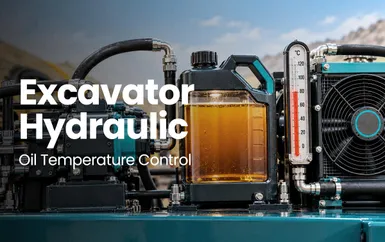
Why Hydraulic Oil Temperature Matters in Excavators
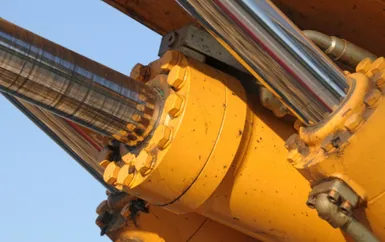
How to Spot Heavy Machinery Fluid Leaks Before They Cause Downtime
A sudden fluid puddle under a digger, loader, or earthmover is an immediate signal that a critical i...
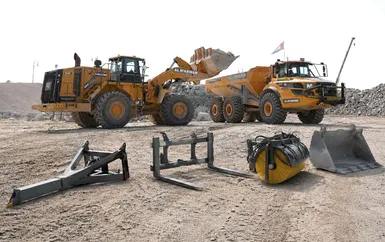
Wheel Loader Attachments That Turn One Machine Into Five
A wheel loader is already one of the most useful machines on any construction site. It loads, carrie...
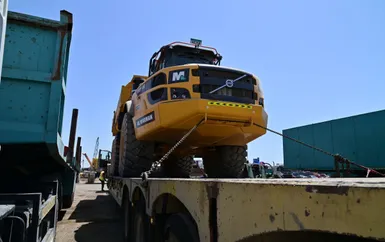
The Ultimate Guide to Buying an Articulated Dump Truck: Critical Tips
Investing in heavy machinery is one of the most significant capital expenditures a business can make...

The Loader Operator’s Blind Spot: Why Visibility Can Make or Break Site Safety
Wheel loaders are among the busiest machines on construction sites. They load trucks, move aggregate...
