


An excavator depends on hydraulic oil and hydraulic hoses to transfer power from its pumps to the bo...
Smarter Heavy Machinery with Komatsu API Integration
Jun 30 2026
By

Mining operations are rapidly changing through digital transformation. Traditional processes are giving way to connected systems that improve productivity, safety, and decision-making. At the heart of this evolution are Application Programming Interfaces (APIs) — software bridges that allow different platforms to communicate seamlessly.
Komatsu, a global leader in construction and mining solutions, has been at the forefront of this movement. Their approach to API integration creates smarter, more interoperable heavy machinery—from a high-capacity komatsu excavator to haul trucks—that works together across the mine site. This technology is reshaping the way companies engage with equipment, especially when you’re searching for heavy machinery near me or evaluating heavy equipment for sale.
What Is an API and Why Does It Matter
An API is essentially a software intermediary. It receives requests from one application and sends appropriate responses from another. This allows two systems that would otherwise be isolated to “talk” and share data in real time.

You interact with APIs more often than you think. For example, when you type a URL into a browser to search for a komatsu excavator, the browser sends a request to a server and displays the requested page — all through API communication.
In mining, APIs connect systems like:
- Fleet Management Systems (FMS)
- Machine guidance tools
- Third-party planning and analytics applications
Without APIs, these systems can’t effectively exchange data. When data remains siloed, decisions are slower and less informed.
APIs act like translators at a meeting where everyone speaks a different language — allowing systems that once couldn’t understand each other to collaborate.
Komatsu’s Vision for Connected Mining
Komatsu’s Modular Mining APIs aim to create a connected and interoperable mining ecosystem. Rather than forcing all tools into a single proprietary platform, this strategy enables open communication between systems—whether you are managing a heavy-duty komatsu excavator or utilizing third-party provider software.

According to Komatsu, as industry needs have evolved, the company understood that integration cannot be solved alone. By offering APIs, they open up the mining value chain to enhance collaboration and innovation.
This vision helps mining operations move beyond isolated software islands toward a network of integrated, data-driven solutions.
Core API Capabilities
Komatsu’s Modular Mining APIs provide both read and write access to critical operational data.
Read-Only Access gives systems real-time visibility into:
- Equipment location
- Equipment status changes
- Cycle state updates
This data is essential for performance monitoring, efficiency analysis, and decision-making.
Write Access enables systems to interact with operational elements like:
- Location status
- Road conditions
- Crusher telemetry
This two-way data exchange allows software platforms to actively influence equipment behavior and optimize workflows.
How API Integration Improves Mining Operations
APIs fundamentally change the way data flows across a mining operation. Here’s how:
1. Synchronized Fleet Insights
APIs allow systems like Komatsu’s DISPATCH® Fleet Management System to share location, productivity, and utilization data with planning tools, analytics platforms, and reporting dashboards. No more manual data exports.
2. Enhanced Planning Accuracy
Real-time machine data aligns planning expectations with actual field performance. This reduces gaps between design and execution.

3. Reduced Downtime
Timely status updates from APIs help maintenance teams anticipate equipment failures before they happen. Predictive actions reduce costly breakdowns.
4. Third-Party Collaboration
Open APIs encourage external tech providers to build tools that integrate smoothly with core systems. This strengthens the entire ecosystem and expands innovation faster than closed solutions.
Together, these benefits help mining operations boost productivity, lower operational risk, and stay competitive.
Five Key API Categories
Komatsu’s Modular Mining APIs currently support integration in five major areas:
- Supervisory Control (Core API)
Connects supervisory systems with real-time fleet data across platforms. - Mine Planning (Machine Guidance API)
Links planning software to machine execution to keep designs aligned with reality. - Crusher Management (Crusher API)
Shares crusher status and performance data with plant systems and control tools. - Aftermarket Systems (HME Aftermarket API)
Integrates heavy mobile equipment telemetry and service data with aftermarket applications. - Payload Management (Payload System API)
Combines payload data from shovels, trucks, and other equipment to ensure accurate loading and hauling.
This suite of APIs provides the backbone for digital integration across modern mining operations.
Why API-Enabled Heavy Machinery Is a Game Changer
For equipment owners and operators, API-enabled machines offer several advantages:
- Data-Driven Decisions: Real-time insights lead to better planning, scheduling, and execution.
- Improved Safety: Accurate information about equipment status and location enhances workplace safety.
- Scalability: API-ready systems grow with your operation and adapt to new tools and software.
- Faster Integration: Whether incorporating new Komatsu technologies or third-party applications, APIs reduce deployment time.
These benefits are especially relevant if your company is evaluating heavy equipment for sale — choosing machines that support API integration future-proofs your investment.
Real-World Use Cases
Here are a few examples of API value in action:
Supervisory Control Enhancements
APIs synchronize fleet data with enterprise systems that track productivity, cost, and performance.
Mine Planning Sync
When planning software receives updated machine data in real time, planners can adjust strategies on the fly — improving scheduling and reducing rework.

Payload Optimization
By combining payload information from multiple sources, APIs help ensure trucks are neither underloaded nor overloaded — improving efficiency and reducing fuel waste.
These real-world examples demonstrate how APIs improve operational outcomes across the value chain.
What This Means for Al Marwan Customers
At Al Marwan Heavy Machinery, we understand that our customers demand both power and intelligence from their equipment.
API-ready equipment enhances:
- Return on Investment (ROI): Better data means better decisions and higher productivity.
- Ease of Integration: Plug into existing systems without costly custom development.
- Ongoing Innovation: As new digital tools emerge, your fleet remains compatible and upgrade-ready.
We don’t just provide heavy equipment for sale—we deliver complete solutions, we ensure that our clients benefit from:
- Access to the latest models, tailored for heavy-duty operations.
- Expert advice from industry professionals who understand the unique challenges of regional projects.
- Full after-sales support, including spare parts, servicing, and technical assistance.
- Flexible purchasing options that make it easier for businesses of all sizes to acquire world-class equipment.
Our goal is to ensure that every investment you make in heavy equipment contributes to long-term efficiency, profitability, and success.
Contact us today to learn more
Frequently Asked Questions (FAQ)
Q1: What exactly is an API in mining operations?
An API is a software interface that allows different applications and machines to exchange data — enabling real-time insights and connected workflows.
Q2: Why are APIs important for heavy machinery owners?
APIs allow your fleet and software tools to “speak the same language,” improving visibility, efficiency, and decision-making.
Q3: Do APIs work across different brands of equipment?
Yes — open APIs are designed to support interoperability across systems from multiple manufacturers, making it easier to compare and integrate machines from different vendors.
Q4: Will API-enabled equipment increase productivity?
Absolutely. Real-time data flow reduces downtime, prevents miscommunication, and supports better planning.
Q5: Do API systems require special software?
Most modern fleet and planning tools include built-in API support or easy integration tools, so specialized coding isn’t usually required.
Q6: Can I use APIs to track the real-time health of my Komatsu excavator?
Yes. Komatsu excavators utilize telematics systems (like KOMTRAX) that collect vital health data, including engine temperature, hydraulic pressure, and error codes. An API can feed this data directly into your preferred fleet management software for real-time monitoring and predictive maintenance.
Q7: How do APIs help measure the payload and efficiency of a Komatsu excavator? Modern Komatsu excavators often feature built-in payload meter systems. By using an API, you can automatically export bucket-by-bucket weights, cycle times, and fuel consumption metrics straight to your production dashboards without manual data hauling.
Q8: Will integrating a Komatsu excavator via API void my manufacturer warranty? No. Utilizing official, secure Komatsu APIs to access your machine's data does not affect your warranty. These APIs are designed to share operational data safely without altering the excavator's core machine software or control systems.
Q9: Can a Komatsu excavator API integrate with my existing mine planning software?
Absolutely. Komatsu supports open-data initiatives and interoperability. The API allows high-precision guidance and operational data from the excavator to sync seamlessly with third-party mine planning, dispatch, and autonomous haulage systems (AHS).
Q10: What security measures protect my Komatsu excavator’s data when using an API?
Komatsu APIs use industry-standard encryption protocols (such as OAuth 2.0 and HTTPS) to ensure that your equipment's location, telemetry, and productivity data are transmitted securely, preventing unauthorized access to your fleet's operations
LEARN FROM OUR INDUSTRY EXPERTS
Latest news & updates

Why Hydraulic Oil Temperature Matters in Excavators
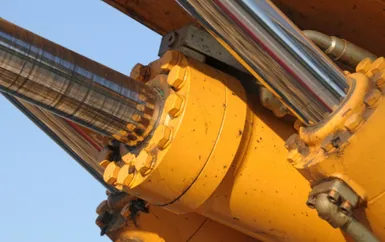
How to Spot Heavy Machinery Fluid Leaks Before They Cause Downtime
A sudden fluid puddle under a digger, loader, or earthmover is an immediate signal that a critical i...
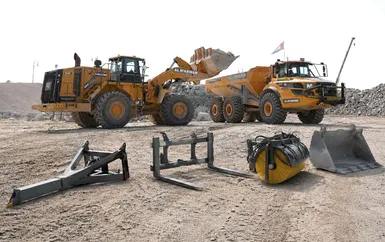
Wheel Loader Attachments That Turn One Machine Into Five
A wheel loader is already one of the most useful machines on any construction site. It loads, carrie...
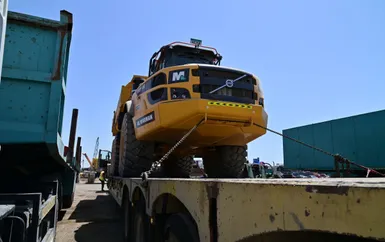
The Ultimate Guide to Buying an Articulated Dump Truck: Critical Tips
Investing in heavy machinery is one of the most significant capital expenditures a business can make...

The Loader Operator’s Blind Spot: Why Visibility Can Make or Break Site Safety
Wheel loaders are among the busiest machines on construction sites. They load trucks, move aggregate...
