


On busy construction sites, moving material is not always about using the biggest truck available. I...
How to Manage Machinery Parts to Maximize Uptime?
Feb 13 2024
By

Imagine your trusted machine, the backbone of your daily operations, is starting to show signs of fatigue. It's an all-too-common situation for those who depend on powerful heavy equipment: suddenly, a dependable workhorse isn't performing as it should. This moment is more than an inconvenience; it's a call to action for every owner, operator, or fleet manager.
The longevity of heavy machinery depends on proactive maintenance and the strategic sourcing of machinery parts. When a machine shows signs of fatigue, fleet managers must decide between consumable parts—such as filters and fluids—and critical components like pumps, hoses, and pistons. Choosing the right machinery parts involves balancing quality and cost by selecting between OEM (Original Equipment Manufacturer), aftermarket, or rebuilt options. This guide explores how to navigate these decisions to minimize downtime and ensure your equipment remains the backbone of your operations.
Understanding Spare Parts Types for Heavy Equipment
Machinery relies heavily on two types of spare parts: consumable and integral. Understanding their roles is crucial for maintaining performance and extending the machine's life. Here's a closer look at each type:
Consumable Parts
These are the components that require regular replacement due to wear and tear. Heavy equipment consumable parts list include:
- Fluids: Such as engine oil, hydraulic oil, brake oil, and cooling solution.
- Service Kits: Comprising various filters like air, fuel, oil, and hydraulic oil filters.
- Undercarriage Components: Including rollers, track pads, pins, bushes, and links.
- Buckets: Essential for the excavator/loader's digging and loading operations.
- Suspension Components: Like link rods and bar bushings.
- Brake Components: Such as brake pads and discs, on a wheel excavator, for example.

These parts are consumed, hence the name, during the operation lifetime of the machine and require regular checks and replacements to maintain the machine's efficiency and safety.
Integral Parts
These are the core components that significantly affect the operation of the machine. Integral parts include:
- Engine Parts: Vital elements such as belts, injectors, plugs, and gaskets.
- Electrical Components: Including wires, ignition systems, circuits, and electro-hydraulic connections.
- Hydraulic System: Encompassing hoses, pumps, valves, and cylinders.
- Drivetrain: Such as driveshafts, differential, axles, and transfer case components.
- Transmission System: Including gears, clutch, torque converter, valve body, selector, output shaft, synchronizers, and control module parts.
Integral parts are critical to the machine’s functionality. While they don't require as frequent replacement as consumable parts, their failure can lead to significant downtime and costly repairs.

In both categories, the choice of spare parts – whether OEM, aftermarket, or rebuilt – can significantly impact the performance and durability of your heavy equipment. The next sections of this article will guide you through selecting the right parts, considering factors like quality, compatibility, and cost.
Selecting the Right Quality of Spare Parts for Heavy Equipment
When it comes to maintaining and repairing heavy equipment, choosing the right type of spare part is as crucial as the maintenance itself. There are four primary categories of replacement parts: OEM, aftermarket, salvage, and rebuilt. Understanding the differences between these options is key to making an informed decision that balances quality, cost, and equipment needs.

1. OEM (Original Equipment Manufacturer) Parts
OEM parts are produced by the original equipment manufacturer. They are tailor-made to fit the specifications of a specific model of equipment. OEM parts boast the highest standards of quality and are guaranteed to be compatible with your equipment. These parts generally come with a higher price tag compared to other types. They are available both new and used. Used OEM parts typically relate to integral components, retaining much of their service life.
2. Aftermarket (Commercial) Parts
Manufactured by third-party companies, aftermarket parts are designed to fit various equipment models. While more affordable, they may not always match the precise standards of OEM parts. Commercial parts are a popular choice for those looking to maintain equipment on a budget.
3. Salvage (Scrap) Parts
Salvage parts are used components, often sourced from scrapped equipment. These are the most budget-friendly options available, and they typically include large, intact components like engines or gears.

4. Rebuilt Parts
Rebuilt or remanufactured (reman) parts are used, OEM or salvage parts that have been restored to working condition. They often offer good quality, similar to new parts, but at a lower cost. Reman parts can be harder to find, as their availability is less consistent.
Each of these types of spare parts has its place in the maintenance of heavy equipment. The choice largely depends on factors such as the specific needs of your equipment, budget constraints, and the desired balance between cost and quality.
Achieving the Best Service Life: Maintenance Tips for Heavy Equipment
The key to maximizing the service life and efficiency of heavy equipment lies in diligent maintenance, beyond the basic routine inspections and scheduled service. Contractors and equipment operators are strongly advised to engage in preventive maintenance practices, which play a pivotal role in keeping the machinery in top condition.

At the heart of these maintenance routines is the timely replacement of wear parts, or consumables, and the assessment of integral parts for potential replacement. Regularly replacing components like pins, bushings, and links, which are prone to wear in excavators, can significantly extend the life of the equipment. Moreover, routine greasing or lubrication of these parts is essential to prevent premature wear and ensure smooth operation.
For heavy equipment that is actively engaged in projects, having a mobile workshop on standby can be a game-changer. This allows for on-site routine checks and immediate repairs, which is crucial for achieving the best possible uptime. Such proactive measures not only enhance the equipment's operational efficiency but also significantly reduce the costs associated with breakdowns.
Incorporating these maintenance strategies ensures that your heavy equipment remains reliable and efficient, ready to tackle any job with minimal downtime. By prioritizing the health of your machinery through regular upkeep and smart part replacement, you safeguard your investment and maintain the continuous flow of your operations.
Effective spare part management is crucial for the performance and longevity of heavy equipment. We've covered the essentials—from types of parts to maintenance tips. If you're seeking spare parts for heavy equipment, reach out to us. Quality parts and expert advice are just a conversation away. Contact us to ensure your machinery stays operational and efficient.
Frequently Asked Questions about Heavy Equipment Spare Parts (FAQs)
Q: When should I choose OEM (Original Equipment Manufacturer) parts over aftermarket ones?
A: It is always preferable to use original parts for complex components, such as engines and sensitive hydraulic systems, to ensure the longest possible lifespan and to protect the equipment's resale value.
Q: Are remanufactured parts safe to use in major projects?
A: Yes, remanufactured parts from reliable sources undergo rigorous testing and provide efficiency very close to new parts, at a discount of up to 30-50% off the original price.
Q: How can I ensure the quality of spare parts when buying from third-party companies?
A: Look for suppliers who offer a genuine warranty on parts and provide specialized technical support to ensure the part precisely fits your specific equipment model.
About Al Marwan Heavy Machinery
Leading heavy machinery provider in the GCC since 1978. Recognized as the GCC Rental Company of the Year for three consecutive years (2023, 2024, 2025), Al Marwan is the trusted one-stop shop for construction projects across the UAE, Saudi Arabia, and Oman. As an authorized dealer for brands like Kobelco, Powerscreen, Dynapac, Sinoboom, Socma, and CIFA, we offer a comprehensive suite of services covering the entire machinery lifecycle:
- New Heavy Equipment: As an authorized dealer, Al Marwan offers access to the latest models of excavators, crawler cranes, crushers, concrete pumps, and more. All new machinery comes backed by manufacturer warranties.
- Heavy Equipment Rental Fleet: Access one of the largest construction equipment rental fleets in the Middle East, featuring 3500 machines and certified operators. This allows clients to scale operations efficiently, minimizing capital expenditure.
- Used Heavy Equipment: We offer a curated selection of used equipment from global leaders like Caterpillar, Volvo, Komatsu, and Hitachi. Each piece undergoes rigorous inspection and maintenance to guarantee optimal performance and reliability.
- Expert Support & Maintenance: Al Marwan provides comprehensive after-sales support and maintenance services to ensure the long-term performance and reliability of your investments.
As your trusted partner in the Middle East and GCC, Al Marwan drives progress with an extensive inventory of genuine machinery parts. To ensure immediate availability and expert support, our dedicated showroom provides a one-stop destination where clients can consult with specialists and source the exact components needed to maximize uptime and project success.
LEARN FROM OUR INDUSTRY EXPERTS
Latest news & updates
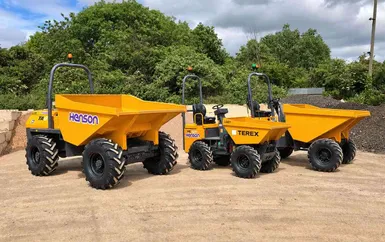
Dumper Applications Across Construction Sites
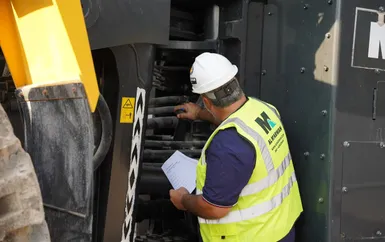
Machinery Maintenance 101: Keeping Your Fleet Running Longer
In the fast-paced world of construction and infrastructure, your machinery is the heartbeat of your...
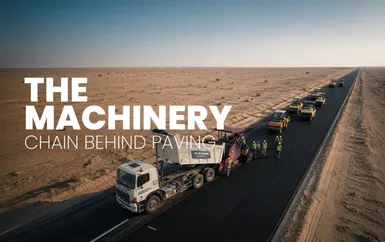
From Asphalt Plant to Finished Road: The Machinery Chain Behind Paving
A smooth road does not start with the asphalt paver. It starts long before the mix reaches the site....
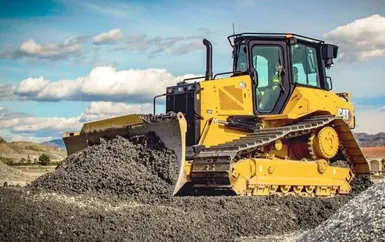
Caterpillar Unveils 3 New Machines at Bauma India 2026
Caterpillar made massive waves at Bauma CONEXPO India 2026 by launching three powerhouse machines en...

Manlift Rental Checklist: What Contractors Should Ask Before Renting
Working at height is part of almost every construction, maintenance, installation, and facility mana...
