


Investing in heavy machinery is one of the most significant capital expenditures a business can make...
Top Mistakes to Avoid When Buying a Used Wheel Loader
Aug 11 2026
By

When searching for a wheel loader for sale, most buyers focus on the engine hours or the hydraulic responsiveness. At Al Marwan, we know that ignoring tire condition is a high-stakes gamble that can cost you thousands of dollars in the first month of ownership.
Tires are the only point of contact between your multi-ton machine and the harsh terrain of a construction site. They are not just rubber hoops; they are complex engineered components that manage load distribution, traction, and fuel economy.
1. Ignoring the Inflation History
One of the most common mistakes is failing to ask for the previous owner’s maintenance logs regarding tire pressure. Wheel loaders for sale listings often look great in photos, but internal damage from improper inflation is invisible to the naked eye.

Under-inflation is a silent killer of heavy machinery tires. When a tire runs low, the sidewalls flex excessively, generating internal heat that destroys the rubber’s structural integrity over time.
Conversely, over-inflation makes the tire too rigid. This leads to a higher risk of impact breaks and punctures because the tire cannot "absorb" the shape of sharp rocks or debris on the job site.
Imagine you are inspecting a heavy-duty machine like a Cat 988G in the Al Marwan yard. Because a machine of this scale handles massive payloads, running it under-inflated causes the heavy sidewalls to flex excessively. Even if the outer tread looks pristine, that structural heat damage remains hidden internally until it fails under a full bucket load. Always review maintenance records or request an ultrasonic casing check
2. Overlooking Tread Depth Disparity
When browsing used loaders for sale, you must bring a tread depth gauge. A major mistake is assuming that because the tires "look" thick, they are in good condition.
Uneven wear across the four tires can signal deep-seated mechanical issues. If the front tires are significantly more worn than the rear, the machine may have been used for aggressive pile-driving or improper loading techniques.

Furthermore, mismatched tread depths on the same axle can damage the differential. The machine’s computer and mechanical components are designed for tires of equal circumference to rotate at the same speed.
On an ultra-large loader like the Komatsu WA900, even a minor 10% difference in tread depth between the left and right tires on the same axle translates to a noticeable difference in tire circumference. Over hundreds of operating hours, this forces the differential to work continuously to compensate, risking a major transmission or axle overhaul down the line
3. Falling for the New Paint Trap
Sellers often try to make used loaders for sale look brand new by painting the rims or applying tire shine. Do not let a glossy finish distract you from looking for dry rot or weather checking.
Dry rot appears as tiny cracks in the sidewall or between the tread blocks. This occurs when a machine sits idle in the sun for long periods, causing the oils in the rubber to evaporate and the material to become brittle.
A tire with dry rot might look okay during a slow-speed test drive, but it is prone to catastrophic failure once it carries a full bucket and reaches operating temperatures.
4. Failing to Inspect for Hidden Repairs
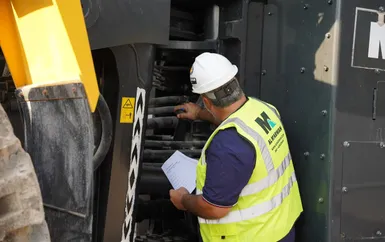
Always rotate the tires fully during your inspection. Many buyers make the mistake of only looking at the side of the tire facing them, missing large patches or "boots" on the inner sidewall.
Section repairs are common in the heavy equipment industry to extend tire life. However, if a repair was done poorly, it can lead to a sudden blowout under heavy loads.

Look for bulging areas or sections where the rubber texture looks different. This often indicates an internal patch that may not hold up to the specific demands of your future projects.
The Operator's Role in Tire Longevity
Once you have purchased a wheel loader, the maintenance shifts from inspection to prevention. Training your operators is the most effective way to protect your investment.

5. Misunderstanding the Tire Application
Not all tires are created equal. A mistake buyers make when looking at used loaders for sale is failing to check if the tire type matches their specific application.

Consider a versatile loader like a Cat 966 from Al Marwan’s fleet. If it comes fitted with L2 (traction) tires designed for soft earthwork, but you intend to deploy it in a harsh quarry in Ras Al Khaimah, those tires will shred within weeks. Factoring in whether you need to swap from L2s to L5 (extra deep rock) tires before deployment saves you from immediate, unexpected downtime.
6. Forgetting the Rim and Valve Stem
The tire is only as good as the rim it sits on. A common error is ignoring the condition of the metal wheels and the valve stems during a pre-purchase check.
Check for rust around the bead seat. If the rim is corroded, the tire will struggle to maintain a consistent seal, leading to slow leaks that plague your productivity.
Ensure the valve stems have metal caps. In the dusty environment of a construction site, dirt can easily enter an uncapped valve, causing it to leak or fail during your next pressure check.
7. Not Factoring Replacement Costs into the Offer
A set of four high-quality tires for a large wheel loader can cost tens of thousands of dollars. Failing to negotiate the price based on tire wear can be a significant financial mistake.
If the wheel loader you are eyeing has tires with only 20% life remaining, you must subtract the replacement cost from the asking price.

Professional buyers always treat tires as a "burn rate" expense. If the rubber is at the end of its life, you aren't just buying a machine; you're buying an immediate maintenance bill.
You can read more about Benefits of Buying Used Equipment and Mistakes to Avoid When Searching for Used Heavy Equipment for Sale in our previous blogs.

Frequently Asked Questions (FAQ)
How long do wheel loader tires typically last?
Depending on the application and maintenance, a quality set can last between 2,000 and 4,000 hours. In soft soil, they may last even longer, while sharp rock environments will shorten that lifespan.
Is it okay to buy a wheel loader with retreaded tires?
Retreads are a cost-effective option for many, but they must be inspected closely. Ensure the retread was performed by a reputable company, as poor bonding can lead to the tread "throwing" or peeling off during use.
What is the best way to clean loader tires?
Use water and a mild detergent. Avoid petroleum-based cleaning products, as these can actually break down the rubber compounds and accelerate cracking.
Should I choose solid tires or pneumatic (air-filled) tires?
Solid tires are excellent for scrap yards or demolition where punctures are guaranteed. However, they provide a much rougher ride and can put more stress on the machine's axles compared to air-filled tires.
Does tire age matter if the tread is still good? Yes. Rubber degrades over time regardless of use. Most experts recommend replacing tires that are more than 6-10 years old, even if they have plenty of tread left, due to internal structural aging.
Al Marwan Machinery
Leading heavy machinery provider in the GCC since 1978. Recognized as the GCC Rental Company of the Year for three consecutive years (2023, 2024, 2025), Al Marwan is the trusted one-stop shop for construction projects across the UAE, Saudi Arabia, and Oman. As an authorized dealer for brands like Kobelco, Powerscreen, Dynapac, Sinoboom, Socma, and CIFA, we offer a comprehensive suite of services covering the entire machinery lifecycle:
- New Heavy Equipment: As an authorized dealer, Al Marwan offers access to the latest models of excavators, crawler cranes, crushers, concrete pumps, and more. All new machinery comes backed by manufacturer warranties.
- Heavy Equipment Rental Fleet: Access one of the largest construction equipment rental fleets in the Middle East, featuring 3500+ machines and certified operators. This allows clients to scale operations efficiently, minimizing capital expenditure.
- Used Heavy Equipment: We offer a curated selection of used equipment from global leaders like Caterpillar, Volvo, Komatsu, and Hitachi. Each piece undergoes rigorous inspection and maintenance to guarantee optimal performance and reliability.
- Expert Support & Maintenance: Al Marwan provides comprehensive after-sales support and maintenance services to ensure the long-term performance and reliability of your investments.
By choosing Al Marwan, businesses gain a trusted partner dedicated to success and driving progress in the heavy construction landscape across the Middle East and the GCC region.
LEARN FROM OUR INDUSTRY EXPERTS
Latest news & updates
The Ultimate Guide to Buying an Articulated Dump Truck: Critical Tips
The Loader Operator’s Blind Spot: Why Visibility Can Make or Break Site Safety
Wheel loaders are among the busiest machines on construction sites. They load trucks, move aggregate...
The Strategic Guide to Air Filtration: Protecting Your Heavy Machinery
Maintaining high-performance heavy machinery for sale requires a strategy that goes beyond simple o...
Dumper Applications Across Construction Sites
On busy construction sites, moving material is not always about using the biggest truck available. I...
Machinery Maintenance 101: Keeping Your Fleet Running Longer
In the fast-paced world of construction and infrastructure, your machinery is the heartbeat of your...
